Indonesia’s Ferry Survivor Saw Ship Overturn In Minutes, Then Waited 10 Hours For Rescue
Our take

The recent sinking of a ferry in Indonesia, leaving scores missing and highlighting the harrowing experience of a survivor witnessing the rapid capsizing of the vessel, underscores a persistent and troubling reality within maritime transport – particularly in regions with high vessel traffic and complex environmental conditions. This incident, echoing the tragic loss of life in the Indonesian Ferry Carrying 243 Sinks In Java Sea Leaving One Dead And 140 Missing earlier this year, compels us to examine the interplay of factors contributing to such disasters, ranging from vessel maintenance and operational protocols to the unpredictable nature of the marine environment. The extended wait for rescue, reportedly ten hours in this instance, further emphasizes the critical need for robust search and rescue infrastructure and coordinated response capabilities in vulnerable maritime zones. The challenges faced by rescuers, specifically citing rough seas and strong winds, are a common impediment, but the prolonged response time points to potential systemic issues requiring deeper investigation.
The maritime sector is experiencing a period of rapid technological advancement, demonstrated by initiatives like the World’s Largest Battery-Electric Ship Arrives In Uruguay For Commissioning, which suggests a move towards safer and more sustainable maritime operations. However, these innovations must be accessible and implemented across the entire spectrum of maritime transport, not solely within advanced fleets. The recurring incidents in Indonesia, and similar regions globally, reveal a disparity in safety standards and enforcement. The increasing frequency of incidents involving older vessels, or those operating in challenging conditions, highlights the importance of rigorous vessel inspections, adherence to international maritime regulations, and ongoing crew training. The case of the Fire-Damaged 72,255-GT Car Carrier Sees Temperature Rise In Panama Waters demonstrates the potential for cascading failures and the extended risks associated with disabled vessels, further emphasizing the need for preventative measures.
Beyond the immediate tragedy, this event demands a broader perspective on ocean stewardship and the vulnerability of communities reliant on maritime transport. The Java Sea, where this incident occurred, is a crucial waterway for trade and passenger travel, connecting numerous islands within Indonesia. The reliance on ferries for inter-island connectivity necessitates a renewed focus on maritime safety, including investment in modern vessel technologies, improved navigational aids, and enhanced communication systems. Furthermore, the impact of climate change on weather patterns, leading to more frequent and intense storms, exacerbates the risks faced by maritime vessels and passengers. Accurate, real-time data and predictive models are essential for enabling informed decision-making and mitigating the potential for disaster. Utilizing integrated data ecosystems, calibrated to reflect regional climate indicators, can provide crucial insights into evolving maritime hazards.
Ultimately, the sinking of this ferry serves as a stark reminder of the human cost of inadequate maritime safety practices and the urgent need for proactive measures to protect lives at sea. The incident compels a reevaluation of existing regulations, enforcement mechanisms, and investment priorities within the Indonesian maritime sector, and sets a precedent for similar regions facing comparable challenges. Moving forward, a crucial question to address is how we can effectively translate technological advancements and data-driven insights into tangible improvements in maritime safety across all operational contexts, ensuring that the lessons learned from these tragedies are not merely acknowledged, but actively implemented to prevent future loss of life.
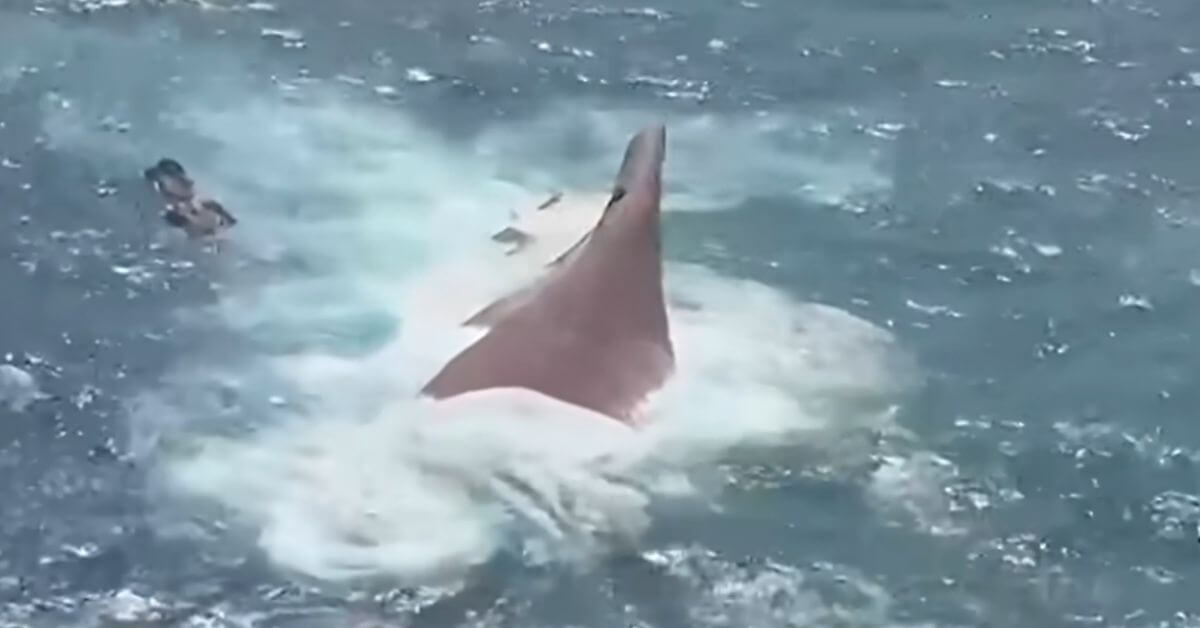
An Indonesian ferry overturned in less than 10 minutes after being hit by waves as high as 3 to 4 metres, a survivor told Reuters.
Six people died and 129 were still missing on Tuesday as rescuers searched the Java Sea in rough seas and strong winds. About 234 people were on the Virgo Transport 8 when it capsized.
Rizky Apriansyah, a waiter on the ferry, was asleep on the top deck when four friends woke him at about 1 a.m. on Sunday. They told him to take a life jacket.
The ferry was already leaning about 30 degrees to the left, Rizky said.
He and his friends ran out of their room. Rizky said he saw 3 to 4 metre waves hit the ferry several times, making it lean further.
He said no alarm was sounded. He was worried that other passengers might not know what was happening.
Virgo Karya Shipping, the ferry company, told local media it could not comment on the alarm because it first needed to check with the crew who were on board at the time.
Rizky and his four friends were soon in the water. They held on to a floating 12-kg cooking gas cylinder about 15 metres from the ferry. They watched the ferry overturn.
The five then spent about 10 hours in the water before another ship saw them and rescued them.
The Virgo Transport 8 was travelling from Surabaya in East Java to Banjarmasin on the island of Borneo. The trip is about 510 km and normally takes around 20 hours.
The ferry left Surabaya port on Saturday afternoon and was reported missing on Sunday morning.
Authorities later found it upside down about 80 nautical miles, or nearly 150 km, from the Banjarmasin port.
Rizky said the ferry had been moving through high waves since it left Surabaya. He felt overwhelmed and exhausted while waiting to be rescued.
His eyes were still red when he spoke to Reuters, and he had minor wounds on parts of his body.
Rizky said he was traumatised by what happened and would not work at sea again.
References: Reuters, Hindustantimes
Read on the original site
Open the publisher's page for the full experience