Empowering small-scale fisheries and aquaculture isn’t just about the tools: it’s about the intelligence behind them. At...
Our take
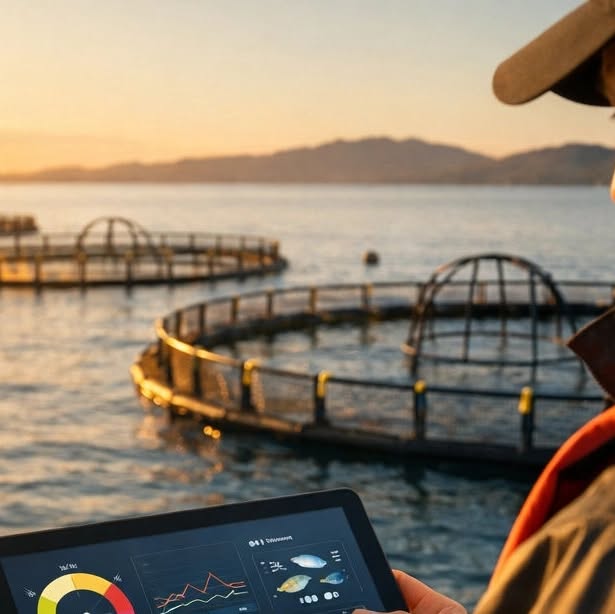
Empowering small-scale fisheries and aquaculture is increasingly recognized as a critical component of sustainable ocean management. At World Data Ocean, we understand that it’s not merely about providing advanced tools but about the intelligent application of data that drives real change. This aligns with our commitment to integrating empirical data into the practices of small and medium-sized enterprises (SMEs) in the blue economy. As we explore this vital intersection of technology and marine stewardship, we must consider how this approach shapes both local communities and the broader health of our oceans. The integration of real-time monitoring through initiatives like Blue Ocean Data Solutions exemplifies this philosophy.
By equipping local producers with instant insights into key variables such as water quality, temperature, and fish health, we are not just promoting innovation for its own sake. We are facilitating smarter decision-making that ensures both environmental sustainability and economic viability. This dual focus on productivity and ecological balance is essential as we tackle the pressing challenges of overfishing and habitat degradation. The role of data in these processes cannot be overstated; it transforms raw information into actionable intelligence that can help mitigate waste and optimize resources. Our belief that sustainability and productivity can coexist is further supported by our ongoing efforts to democratize access to validated data sets, making it possible for smaller operations to thrive without compromising ocean health.
The urgency of nurturing a resilient blue economy is underscored in our initiatives, which are designed to empower local fishers and aquaculture producers. By drawing on empirical research and fostering collaboration, we are helping these stakeholders navigate the complexities of marine resource management. This approach echoes themes from our previous discussions, such as in Turning Passion into Professional-Grade Science 🌊📈, where we highlighted the importance of making high-quality ocean data accessible beyond traditional research circles. It is critical that we build partnerships that bridge the gap between advanced scientific understanding and practical application in local contexts.
As we look toward the future, it is essential to ask how we can continuously improve these data-driven solutions to further support small-scale fisheries and aquaculture. The question remains: How can we ensure the ongoing relevance and adaptability of these tools in a rapidly changing marine environment? The challenges posed by climate change and shifting ecosystems mean that our strategies must be both innovative and flexible. Engaging with the next generation of ocean stewards and fostering an environment of shared knowledge will be paramount in this endeavor.
The work we do today has profound implications for the future of our oceans. By continuing to invest in data-driven strategies that empower local communities, we enhance their capacity to protect marine ecosystems while also securing their livelihoods. As we move forward, it is crucial to monitor the impact of our initiatives and remain open to learning from the experiences of those on the front lines of ocean stewardship. The journey toward a sustainable blue economy is collaborative and ongoing, and we invite all stakeholders to join us in shaping a healthier ocean for generations to come.
Read on the original site
Open the publisher's page for the full experience
Related Articles
- Turning Passion into Professional-Grade Science 🌊📈 High-quality ocean data isn't just for the ivory tower anymore. The...Turning Passion into Professional-Grade Science 🌊📈 High-quality ocean data isn't just for the ivory tower anymore. The UN Ocean Decade recently released new guidelines for citizen science data sharing, and we’re here for it! At World Data Ocean, we’re bridging the gap between community passion and rigorous scientific standards. Our tools are designed to help you contribute data that researchers and policymakers can actually use for real-time decision-making. Whether you're tracking marine debris or monitoring local sea temperatures, let’s turn your observations into global impact. 🌍✨ Explore our data portals and see how you can contribute to a healthier ocean. [Link in Bio] #OceanDecade #CitizenScience #MarineData #TechForGood
- Ever feel like you’re drowning in raw data before you even get to the real research? 🌊 We know the struggle. That’s why...Ever feel like you’re drowning in raw data before you even get to the real research? 🌊 We know the struggle. That’s why we built the Ocean Data Platform SDK. It’s all about helping you cut through the noise with efficient filtering and querying, so you can focus on what actually matters: the insights. Pair that with our Python-based oceanography training, and you’re not just looking at numbers anymore: you’re visualizing the pulse of the ocean. Whether it’s tracking currents or analyzing temperature shifts, we’re here to help you turn raw datasets into actionable intelligence. Science is collaborative, and we want to make sure you have the best tools in your kit. Let’s dive deeper into the data together. 💻🐋 #OceanData #PythonProgramming #MarineResearch #DataScience