Turning Passion into Professional-Grade Science 🌊📈 High-quality ocean data isn't just for the ivory tower anymore. The...
Our take
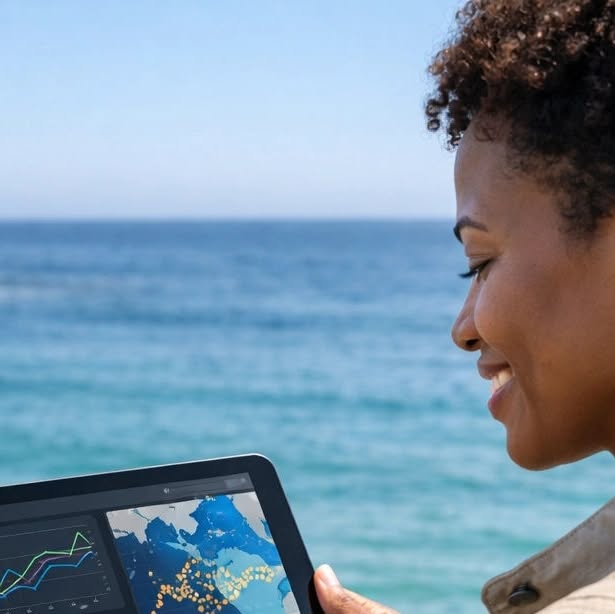
The recent release of new guidelines for citizen science data sharing by the UN Ocean Decade marks a pivotal moment in the intersection of community engagement and scientific research. At World Data Ocean, we celebrate this development as it signifies a shift towards inclusivity in the realm of ocean data collection. High-quality ocean data, once confined to academic institutions and specialized research facilities, is now being democratized, allowing anyone with a passion for the ocean to contribute valuable insights. This evolution is not only empowering individuals but is also essential for fostering a collective approach to ocean stewardship. As we navigate the complexities of marine ecosystems, the integration of community-driven data alongside professional research can lead to more comprehensive and timely decision-making. For instance, those feeling overwhelmed by the sheer volume of raw data can benefit from tools that transform their observations into actionable insights, as discussed in our article, Ever feel like you’re drowning in raw data before you even get to the real research? 🌊.
The guidelines set forth by the UN Ocean Decade not only emphasize the importance of citizen science but also provide a framework for ensuring that the data collected meets rigorous scientific standards. This is crucial, as it addresses potential concerns about data integrity and usability. At World Data Ocean, we are committed to bridging the gap between community passion and scientific rigor, allowing contributors to track critical metrics such as marine debris and local sea temperatures. By equipping citizen scientists with the right tools and knowledge, we can create an integrated data ecosystem that supports real-time decision-making for researchers and policymakers alike. The collaboration between laypersons and experts can stimulate innovative solutions to urgent oceanic challenges, underscoring the idea that everyone has a role to play in protecting our oceans.
This initiative is particularly relevant in the context of ongoing climate change and its impact on marine environments. As ocean health continues to decline, the need for accurate, real-time data becomes increasingly urgent. Citizen science can serve as a vital supplement to traditional research methodologies, allowing for more extensive monitoring and understanding of ocean conditions. In a world where every piece of data counts, this collaborative approach not only enhances our collective knowledge but also reinforces the shared responsibility we have towards ocean stewardship. The urgency of our current climate crisis necessitates that we harness all available resources and insights, and citizen science is a powerful avenue through which we can mobilize community action.
Looking forward, it will be intriguing to observe how this democratization of data influences future scientific research and policy-making. Will we see a shift in how ocean health is monitored and addressed at a global scale? As communities become more engaged in scientific practices, the potential for groundbreaking discoveries and impactful conservation efforts increases. The question remains: how can we sustain this momentum to ensure that citizen contributions translate into meaningful action for ocean preservation? As we embrace this new era of collaborative science, it is essential to remain vigilant and proactive, ensuring that our collective data efforts lead to a healthier ocean for generations to come.
Read on the original site
Open the publisher's page for the full experience