Deep-sea snails ride surface currents to reach distant hydrothermal vents
Our take
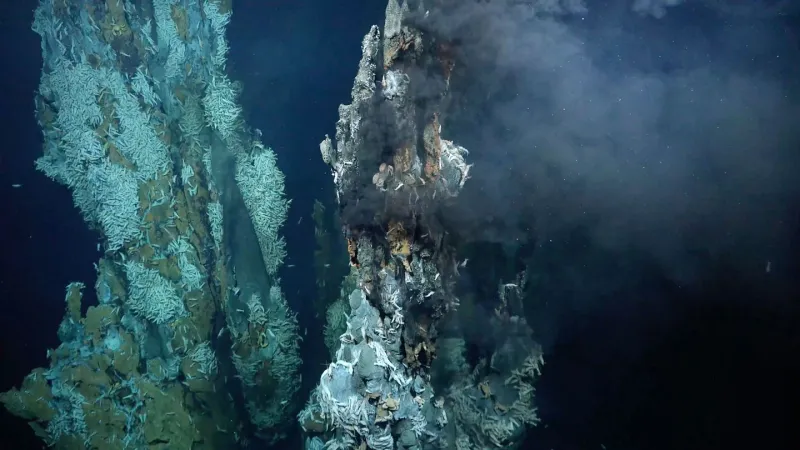
The recent discovery of deep-sea snails utilizing surface currents to disperse between isolated hydrothermal vent ecosystems represents a significant advancement in our understanding of deep-sea connectivity and the surprisingly intricate links between the deep ocean and the sunlit surface. This finding, detailed in a recent publication, challenges traditional perspectives of these vent communities as wholly isolated and self-contained, demonstrating a previously unrecognized mechanism for species dispersal. It underscores the interconnectedness of our planet’s oceans, a theme consistently highlighted in our reporting, as seen in our previous editorial concerning Editorial: The threat of invasive alien species and the challenge of climate change, where we explored the vulnerability of marine ecosystems to the introduction of non-native species, and the growing concern regarding the decline of oceanic oxygen levels, as detailed in Earth’s waters are quietly running out of oxygen, scientists warn. The reliance on surface currents for such a critical process as species dispersal has profound implications for conservation efforts and our ability to predict how deep-sea communities might respond to environmental change.
The established paradigm viewed hydrothermal vents as largely isolated oases of life, fueled by chemosynthesis rather than photosynthesis. Their remote location and the sheer scale of the deep ocean led scientists to believe that dispersal was a rare event, relying primarily on infrequent geological events or the occasional, improbable journey of a deep-sea organism. This new research reveals a far more dynamic picture. The snails, remarkably, are able to survive the journey across the surface, seemingly leveraging the resilience of their physiology to withstand exposure to sunlight and fluctuating temperatures. This discovery compels us to re-evaluate models of deep-sea ecosystem dynamics and consider the role of surface processes in shaping these seemingly isolated environments. Furthermore, it subtly echoes findings in exoplanetary research, where scientists are probing for habitable conditions—as demonstrated by our coverage of This “exotic weirdo” exoplanet has a rocky surface and an atmosphere—highlighting the surprisingly universal principles governing the emergence and persistence of life, regardless of the environment.
The implications extend beyond basic ecological understanding. Changes in ocean circulation patterns, driven by climate change, could dramatically alter the effectiveness of this dispersal mechanism. Shifts in surface currents might either enhance connectivity between vent systems, potentially accelerating the spread of invasive species or facilitating the recovery of damaged ecosystems, or conversely, disrupt the established pathways, leading to isolation and localized extinctions. Calibrated, longitudinal data monitoring ocean currents and snail populations will be vital to predicting these outcomes. The research also emphasizes the importance of integrated data ecosystems. Combining oceanographic data, genetic analyses of snail populations, and models of ocean circulation will be essential for accurately assessing the vulnerability of these deep-sea communities. The creation of real-time, peer-reviewed datasets will be crucial for informing effective conservation and management strategies.
Ultimately, this research serves as a powerful reminder of the inherent interconnectedness of our planet’s systems. What was once perceived as a separate, isolated realm – the deep-sea hydrothermal vent ecosystem – is now revealed to be intimately linked to the sunlit ocean surface. The question now becomes: are there other, equally surprising pathways connecting deep-sea environments to the broader ocean, and how might these connections be affected by the accelerating pace of climate change? Continued empirical investigation, leveraging innovative technologies and fostering global collaboration, will be essential to answering these crucial questions and ensuring the long-term health of our oceans.
Read on the original site
Open the publisher's page for the full experience