ecosystems
13 stories filed under ecosystems on World Data Ocean. The newest of them: “Engineering resilience from nature: DARE for uncertain climate futures”, “From two million to over 450 million tonnes: measuring the rise of plastic production”, and “E-tools and shared capacity sharpen European Seas fisheries decisions”. Nature thrives without a forecast. From two million to over 450 million tonnes in seventy years, that is the measurable, empirical trajectory of global plastic production. A Global Hub for Ocean Intelligence 4 World Data Ocean is a centralized digital platform where researchers, scientists, and ocean enthusiasts converge to… The list below is every ecosystems story on World Data Ocean, newest first.

Engineering resilience from nature: DARE for uncertain climate futures
Nature thrives without a forecast. Ecosystems manage uncertainty through diversity, adaptability, and robustness, principles we now formalize as DARE. This shifts engineering from predicting input conditions, like wave height, to managing output outcomes, like wave runup. It is a pragmatic, prediction-free toolkit for coastal flooding and salt intrusion. DARE offers a measurable path forward when climate models reach their limits. For deeper context on how human systems strain ocean health, see our related coverage on the rise of plastic production.
From two million to over 450 million tonnes: measuring the rise of plastic production
From two million to over 450 million tonnes in seventy years, that is the measurable, empirical trajectory of global plastic production. This sharp rise demands calibrated observation, not alarm. Understanding the scale of this material shift is the first step toward integrated ocean intelligence. For deeper context on how we track such environmental changes, our piece *"From orbit to shore: sharpening coastal views through harmonized sensors"* explores the satellite technology making these measurements possible.
E-tools and shared capacity sharpen European Seas fisheries decisions
E-tools and shared capacity are sharpening European fisheries decisions, turning fragmented data into coordinated action. This is not about building new systems in isolation. It's about integrating what already exists: real-time vessel tracking, peer-reviewed stock assessments, and collaborative platforms that connect scientists with policymakers. The result is faster, more precise management of shared seas. For deeper context on how integrated climate indicators measure ocean longevity, see our related coverage on the booming ocean economy. Precision here protects both livelihoods and ecosystems.
Life's mass across oceans, land, and deep subsurface mapped with empirical clarity
Life's mass is not evenly scattered across the planet, it is concentrated in distinct realms, from the sunlit ocean surface to the deep subsurface. Empirical mapping now offers a measurable, calibrated view of this distribution, revealing where biomass truly resides. Understanding drives protection. For deeper context on planetary-scale change, explore our related coverage on how seismic records measure a strengthening pulse beneath warming oceans.

Deep Ocean Warming: Longitudinal Data Reveals a Concerning Trend.
The ocean's abyss was long considered a stable, slow-motion frontier, but new longitudinal data now shows the deepest layers are warming. This is not a distant anomaly; it is a measurable shift in a system we rely on for climate stability. We find this trend deeply concerning, yet it reinforces why sustained observation matters. As we track these changes, we must connect them to broader disruptions, much like our recent analysis of Atlantic Circulation Weakens, to fully grasp the scale of what is unfolding.
Beyond Area: Measuring True Progress in Ocean Protection.
The percentage of ocean area that is protected tells us less than we hope. Beyond Area: Measuring True Progress in Ocean Protection argues that the real metric is ecological health, not just square mileage. It is a sharp, necessary push for accountability. We agree: validated, peer-reviewed data must replace headline-grabbing designations. Understanding drives protection, but only if we measure what actually thrives. For broader context on how we track ocean systems, see our piece on Arctic Sea Ice Melt Season Stabilizes After Decades of Expansion.
Mapping Marine Connections: Understanding Biodiversity’s Role in Ocean Health
Marine species do not drift idly in the current; they are the ocean's connective tissue, moving energy and nutrients across entire basins. Marine Functional Connectivity science is making that invisible web visible, yet our knowledge remains fragmented. We can now track migrations through genetics and telemetry, but major gaps persist across depths and regions. This is not an abstract research problem. It is a governance failure.
Advancing Earth System Science: A Call for Collaborative Research.
Understanding drives protection, and this call for collaborative research on Earth system science reflects that principle. This persistence, moving from theoretical frameworks to computational models, shows a dedication we share. They've sought dialogue elsewhere with limited success, which is why this invitation matters. For those exploring similar questions, our related article, "Calibrated ocean intelligence, now within reach through integrated data discovery," offers a practical entry point. Earth system science thrives on shared inquiry, not isolated effort. We're glad to see this conversation starting.
Illuminating the Deep: A Conversation with Ocean Pioneer Dr. Sylvia Earle
Dr. Sylvia Earle has spent a lifetime making the invisible visible, and her latest conversation cuts straight to the heart of why ocean intelligence matters. She speaks with the calm authority of someone who has seen the deep transform, yet her urgency is unmistakable. We admire how she translates complex marine systems into calls for action that feel both personal and collective. For those inspired to explore further, our piece on integrating citizen science for ocean intelligence complements her perspective beautifully.
Ocean Stewardship: A Foundation for Long-Term Human Survival
The deep ocean has already passed the multi-hundred-million-year test, and that is where our focus belongs. Land and space remain fragile, unproven options, while the ocean's stability has quietly outlasted every extinction event. The argument here is not about escape, but about learning to live within a system that has proven its resilience. We should treat the ocean as our primary environment, not a backup plan.
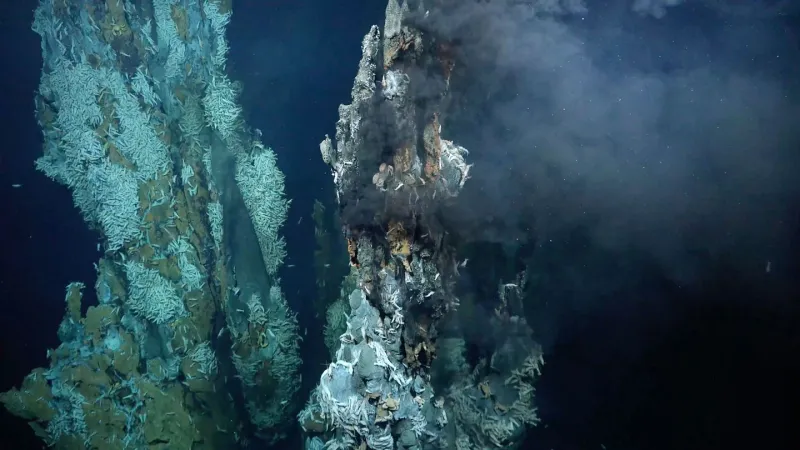
Ocean Currents Link Distant Deep-Sea Ecosystems
Deep-sea vents have long seemed like isolated worlds, scattered across the abyss. This finding changes that perception, revealing how ocean currents carry life between these distant ecosystems. It is a reminder that even the most remote seafloor habitats are not islands; they are connected threads in a larger, dynamic system. Understanding these links is essential, as it ties the deep ocean's fate directly to the health of the sunlit waters above.
Climate Change Accelerates Invasive Species Threat to Ocean Ecosystems
Rising ocean temperatures are rewriting the rules of marine life, and not in ways we can afford to ignore. As climate change shifts habitable zones, invasive species are finding new footholds in ecosystems already stressed by warming waters. This is not a distant problem; it is an accelerating, measurable threat to biodiversity and coastal economies alike. The data is clear: we must integrate these patterns into our ocean intelligence now.
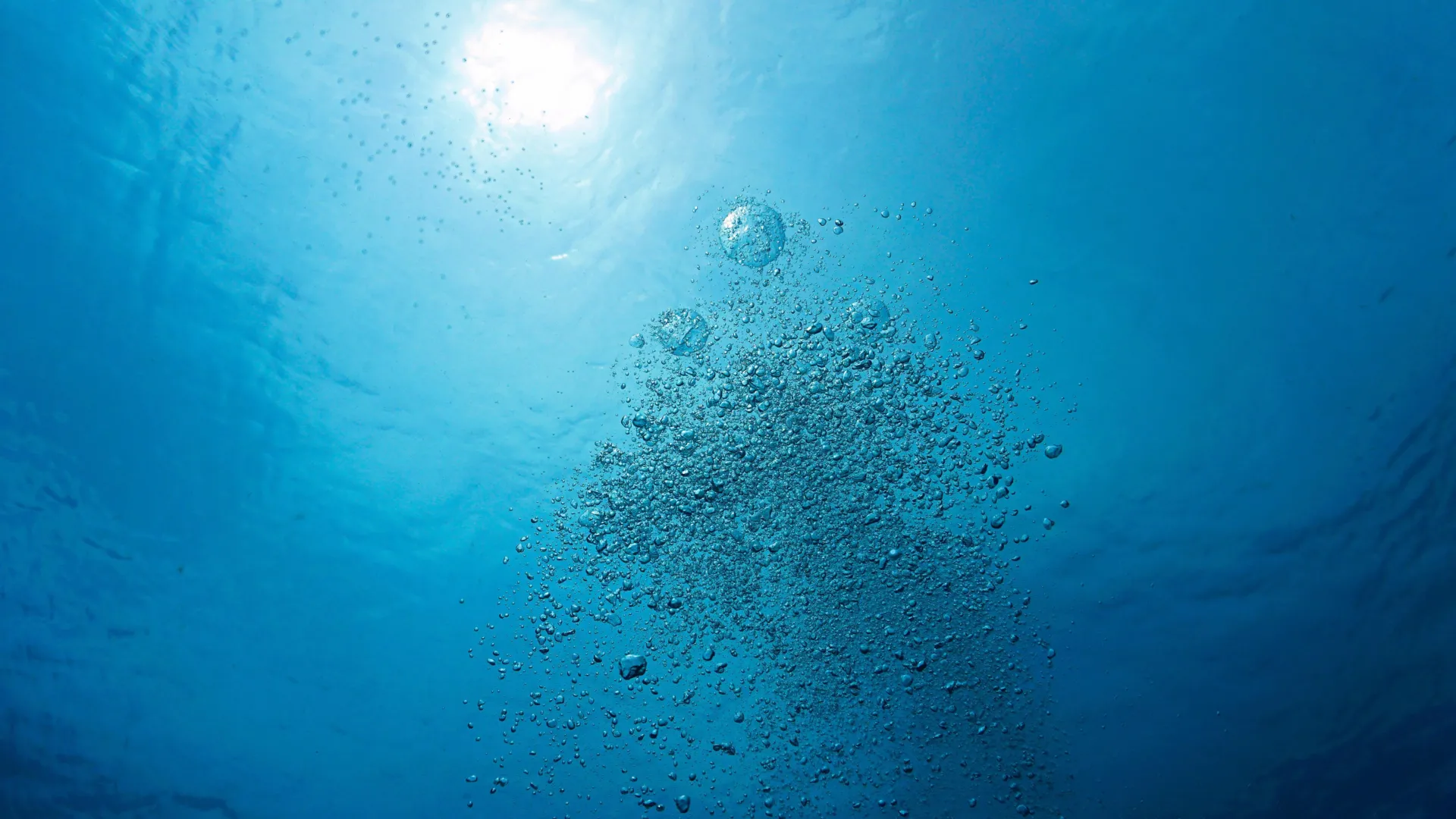
Ocean Deoxygenation Accelerates, Threatening Life and Climate Stability
Oxygen is vanishing from the ocean, and from lakes, rivers, and coastal waters, at a rate that should sharpen our focus. This deoxygenation does not merely stress marine life; it erodes the natural systems that help stabilize Earth's climate. Scientists link this decline directly to warming, pollution, and ocean acidification, making it a compounding planetary threat. We treat this as a measured alarm: the evidence is empirical, and the need for integrated observation has never been clearer.