surface currents
2 stories filed under surface currents on World Data Ocean. The newest of them: “Optimizing Arctic Oil Spill Response with Integrated Data and Simulation” and “Ocean Currents Link Distant Deep-Sea Ecosystems”. In Arctic oil-spill emergencies, the margin for error is measured in hours and ecological cost. Deep-sea vents have long seemed like isolated worlds, scattered across the abyss. A Global Hub for Ocean Intelligence 4 World Data Ocean is a centralized digital platform where researchers, scientists, and ocean enthusiasts converge to… The list below is every surface currents story on World Data Ocean, newest first.

Optimizing Arctic Oil Spill Response with Integrated Data and Simulation
In Arctic oil-spill emergencies, the margin for error is measured in hours and ecological cost. A hierarchically hybrid scheduling framework, coupling decision tiers from resource call-ups to on-site adjustments, directly confronts this complexity. The Barents Sea case study proves the model's mettle: a balanced solution achieving a 25.1-hour response time with an 84.6% recovery rate, cutting composite performance loss by over 59% against static planning. This is the integrated data ecosystem operational, not theoretical.
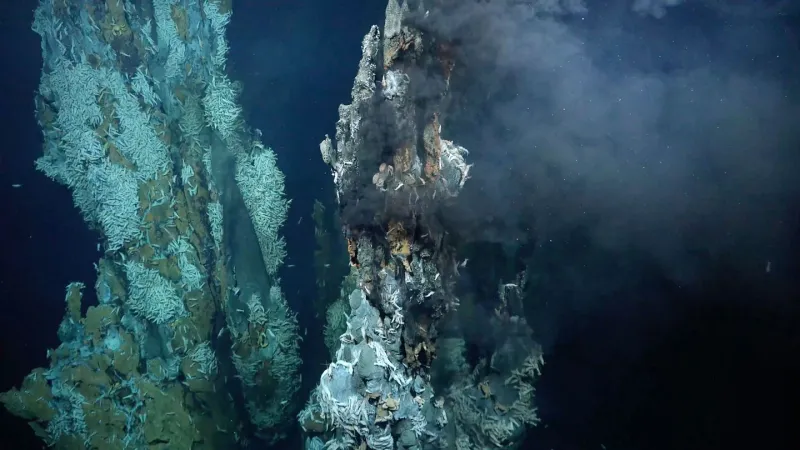
Ocean Currents Link Distant Deep-Sea Ecosystems
Deep-sea vents have long seemed like isolated worlds, scattered across the abyss. This finding changes that perception, revealing how ocean currents carry life between these distant ecosystems. It is a reminder that even the most remote seafloor habitats are not islands; they are connected threads in a larger, dynamic system. Understanding these links is essential, as it ties the deep ocean's fate directly to the health of the sunlit waters above.