Chemical Leak Causes Fatal Ship Fire Off Indonesia’s Southeast Sulawesi, Killing 2 Crew
Our take
The recent tragic incident of a chemical carrier fire off the coast of Indonesia, resulting in the loss of two crew members, underscores a persistent and escalating risk within global maritime transport. Such events are not isolated occurrences; the broader maritime landscape has witnessed a concerning uptick in incidents involving cargo vessels, highlighting vulnerabilities in safety protocols and the increasing complexity of the goods being transported. The sinking of a cargo ship in the Black Sea [Cargo Ship With 12 Crew Sinks In Black Sea Off Romania Following Suspected Drone Attack] and the earlier fire aboard an oil tanker near South Korea [2 Killed After Fire Breaks Out Aboard Oil Tanker Off South Korea] both serve as stark reminders of the inherent dangers faced by seafarers and the potential for cascading environmental and economic consequences. The deployment of the Japanese transport ship *Kunisaki* to Indonesia [Japan Deploys Transport Ship Kunisaki To Indonesia In First Overseas Firefighting Mission] to assist in firefighting efforts demonstrates the growing need for international collaboration and rapid response capabilities in these situations.
The inherent risk associated with transporting chemicals, particularly in bulk quantities, demands rigorous adherence to international maritime regulations and continuous investment in safety technology. While the precise cause of the fire remains under investigation, preliminary reports suggest a chemical leak as the initiating factor. This emphasizes the critical importance of robust cargo handling procedures, comprehensive crew training, and the implementation of real-time monitoring systems capable of detecting anomalies before they escalate into catastrophic events. The integrated data ecosystem required for such monitoring necessitates a collaborative approach, sharing validated and measurable data between shipping companies, port authorities, and regulatory bodies. Longitudinal data analysis, including empirical observations of incident patterns and contributing factors, is essential for calibrating preventative measures and refining risk assessments.
Beyond the immediate human cost and the localized environmental impact, incidents like this have broader implications for global supply chains and maritime insurance markets. Disruptions to shipping routes and increased insurance premiums can ripple through the global economy, impacting the availability and cost of goods. The increasing frequency of these incidents, potentially linked to geopolitical instability and evolving shipping practices, warrants a more comprehensive evaluation of maritime safety standards. Furthermore, the use of autonomous or remotely operated vessels, while promising increased efficiency, introduces new layers of complexity and requires careful consideration of cybersecurity vulnerabilities and the potential for human error in remote operations. The reliance on real-time data feeds and calibrated sensor systems becomes paramount, underscoring the need for robust and peer-reviewed validation processes.
Looking ahead, a crucial question arises: How can we leverage ocean intelligence – the convergence of satellite data, sensor networks, and predictive analytics – to proactively mitigate the risks associated with chemical transport? Moving beyond reactive responses and embracing a predictive approach, informed by validated data and integrated across all stakeholders, is paramount. The continued development and implementation of sophisticated monitoring systems, coupled with enhanced international collaboration and a commitment to continuous improvement, are essential to safeguarding the lives of seafarers and protecting the marine environment. The focus must shift towards proactive risk mitigation, transforming the current reactive approach into a system that anticipates and prevents such tragedies before they occur.
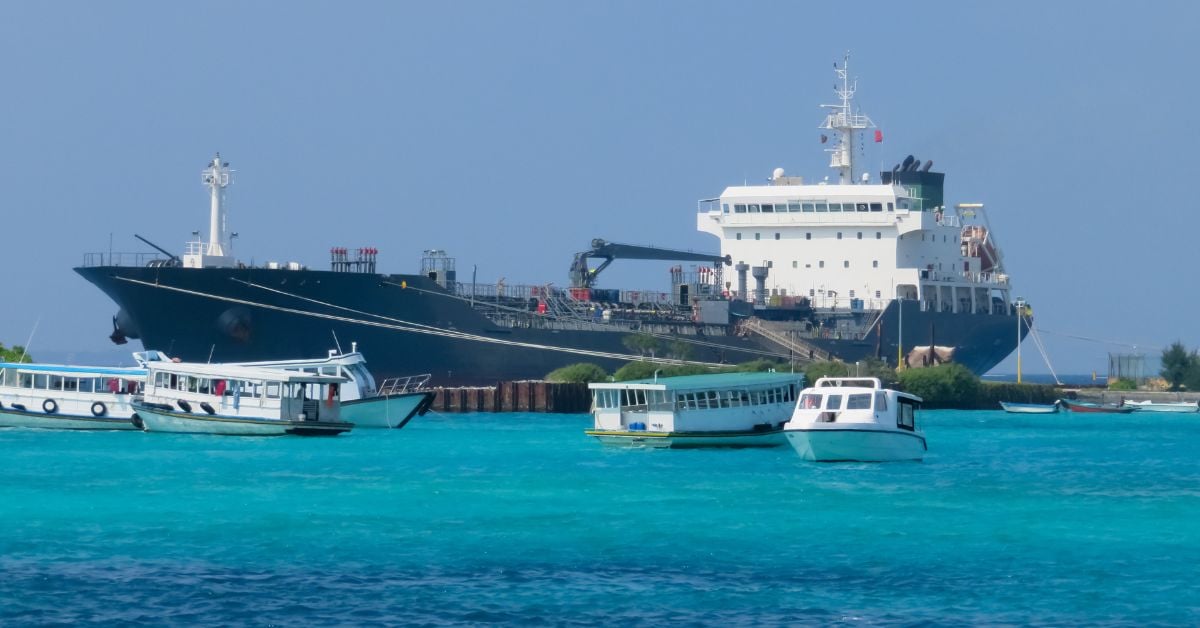
A ship carrying chemicals and other equipment was caught on fire, triggered by a chemical leak off Indonesia’s southeast Sulawesi province, which led to the deaths of 2 crew members.
KM Legenda Nusantara 99 was en route to Morowali in Central Sulawesi from Jakarta, with 13 crew members, when the fire began around 1:00 a.m local time on Monday.
The accident happened in the waters between the Islands of Selayar and Kabaena, according to the Kendari Search and Rescue or Basarnas, which added that the crew inhaled a lot of smoke before they were rescued.
One of the crew members, aged 22, Yudi Bagus, died when he was being taken to the hospital for treatment as he had difficulty breathing.
The 42-year-old John Petro, the ship’s 2nd officer, was also declared dead upon arrival at the hospital due to inhaling toxic fumes.
The ship captain, Sahriar, is undergoing treatment for severe poisoning from harmful chemicals at the LM Baharuddin Hospital in Muna.
The 13 crew members were rescued by the police, port authorities, health workers and personnel from Basarnas, who coordinated their efforts to work quickly. However, they were not the first to reach the scene.
The KM KBR Benua Dua, an Indonesian-flagged cement and cargo carrier, rescued the crew members before teams transferred them to the shore for medical attention.
Read on the original site
Open the publisher's page for the full experience