Zeebrugge
3 stories filed under Zeebrugge on World Data Ocean. The newest of them: “Validated: wind power cuts cargo fuel use by 70% in first year”, “French Frigate Intercepts Ballistic Missile Near Allied Minehunter in Strategic Strait”, and “EU's Yamal LNG Imports Reached $6.8B Before Import Ban”. Seventy percent fuel savings in the first year is not a projection, it is a validated result. A French Navy frigate intercepted a ballistic missile near the Belgian minehunter BNS Primula in the Bab el-Mandeb Strait on October 13. A Global Hub for Ocean Intelligence 4 World Data Ocean is a centralized digital platform where researchers, scientists, and ocean enthusiasts converge to… The list below is every Zeebrugge story on World Data Ocean, newest first.
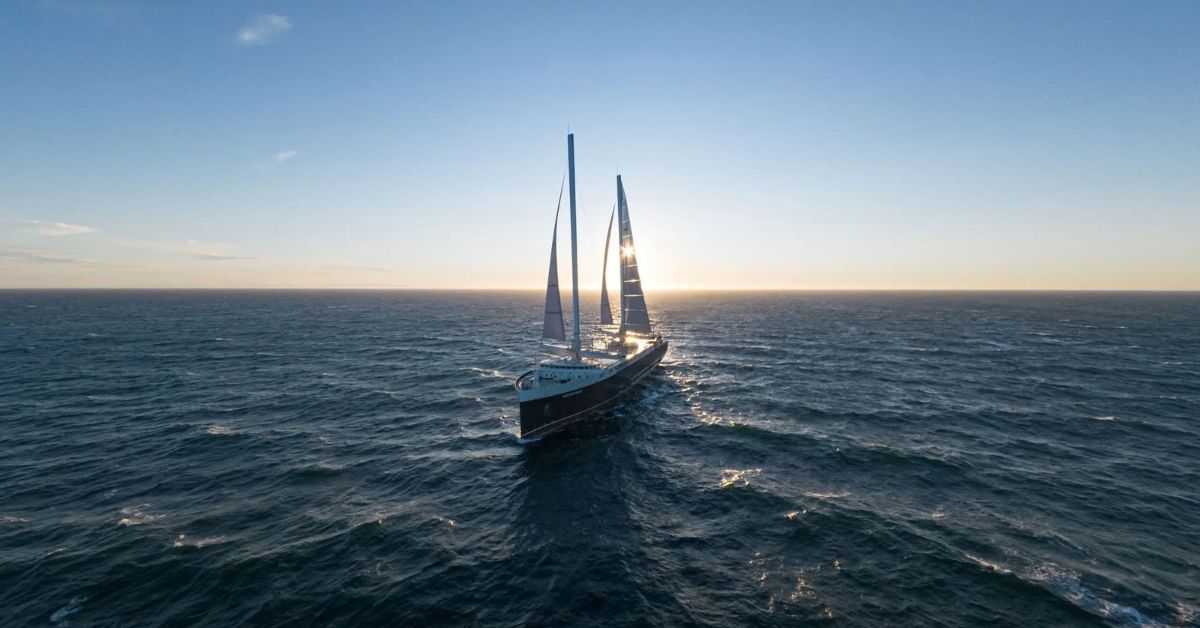
Validated: wind power cuts cargo fuel use by 70% in first year
Seventy percent fuel savings in the first year is not a projection, it is a validated result. Neoliner Origin achieved this by pairing wind power with energy efficiency, proving that decarbonization can deliver measurable impact now. These are empirical, peer-reviewed savings against the GLEC standard. This is not theory. This is ocean intelligence in action. For deeper context on how such validated savings are shaping investment frameworks, see our coverage of the FEET fund and its adoption of Singapore's revised Sustainable Finance Taxonomy.
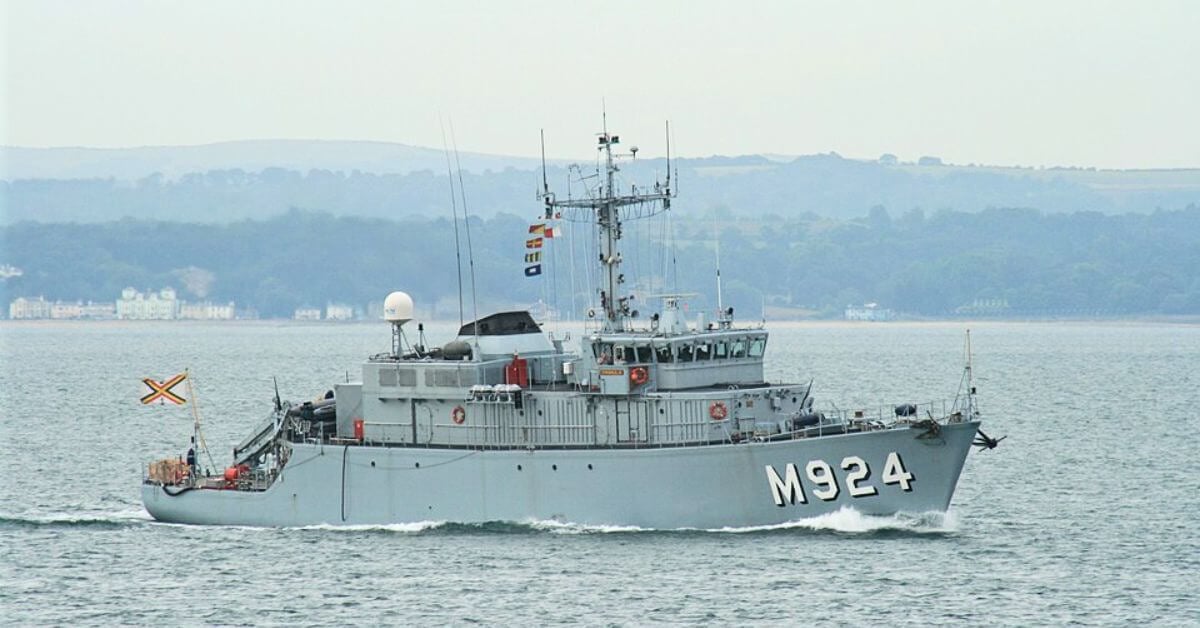
French Frigate Intercepts Ballistic Missile Near Allied Minehunter in Strategic Strait
A French Navy frigate intercepted a ballistic missile near the Belgian minehunter BNS Primula in the Bab el-Mandeb Strait on October 13. This calibrated defensive action in a strategic waterway underscores the real-time threats facing allied naval operations. Understanding drives protection. For deeper context on how such geopolitical pressures affect maritime logistics, see our related coverage on geopolitical tensions threatening the measured flow of Saudi crude through key ports.

EU's Yamal LNG Imports Reached $6.8B Before Import Ban
Between January and June, Europe's Yamal LNG imports hit $6.8 billion, with 140 cargoes of 10.25 million tonnes departing Russia's western Arctic. That scale underscores the continent's pre-ban dependence. The numbers are measurable, and they arrived before any formal restriction took hold. This is not alarmism; it is a clear signal of how tightly energy flows can bind policy. For deeper context on how Russia is adapting its Arctic export revenue, see our piece on Russia's icebreaker fleet calibration.