World War II
World War II at World Data Ocean is a file of 4 stories. The newest of them: “Honoring a Pearl Harbor hero with a unique naval tradition”, “Longitudinal Data Links Early Sugar Restriction to Reduced Dementia Risk”, and “Naval Shift: Ford-Class Carrier Design Faces Potential Revision, Cost Implications.”. The USS Kidd carries more than a name, it carries a tradition born from sacrifice. Sugar rationing during World War II did more than stretch limited supplies; it may have reshaped lifelong brain health. A Global Hub for Ocean Intelligence 4 World Data Ocean is a centralized digital platform where researchers, scientists, and ocean enthusiasts converge to… The list below is every World War II story on World Data Ocean, newest first.
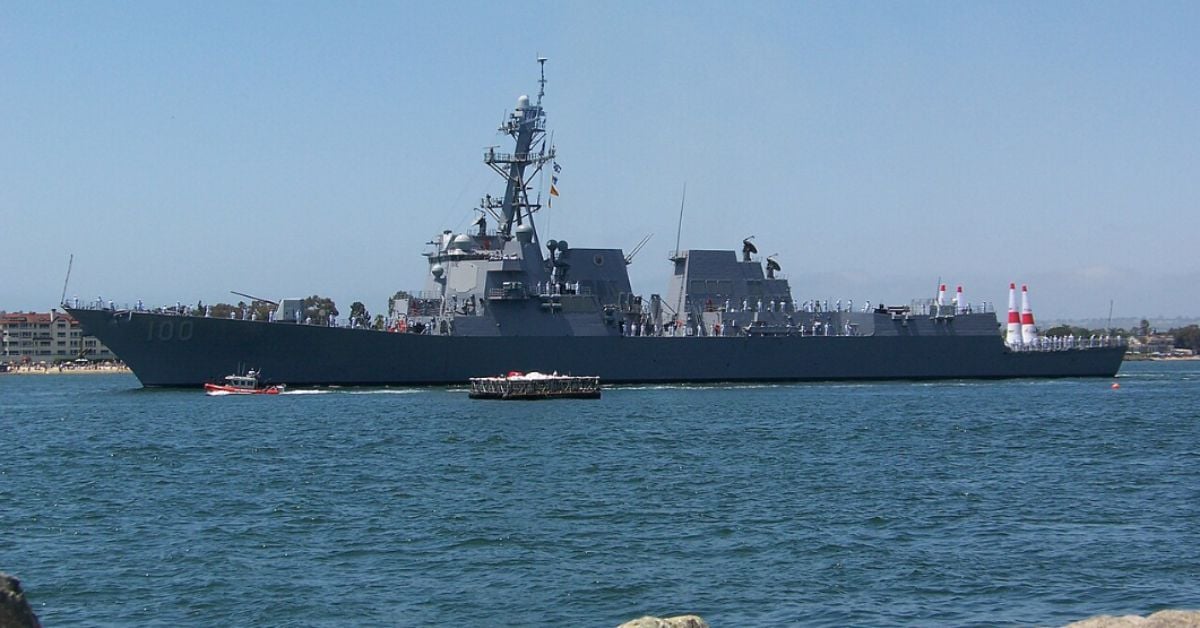
Honoring a Pearl Harbor hero with a unique naval tradition
The USS Kidd carries more than a name, it carries a tradition born from sacrifice. Each year, the destroyer's crew honors Rear Admiral Isaac C. Kidd, killed during the 1941 Pearl Harbor attack, with a uniquely naval ceremony that connects today's sailors to that morning of fire and decision. It is a ritual of measured remembrance, not sentiment. For deeper context on how the Navy marks the end of long service, see our coverage of "Three Naval Vessels Retired After Four Decades of Measured Service."

Longitudinal Data Links Early Sugar Restriction to Reduced Dementia Risk
Sugar rationing during World War II did more than stretch limited supplies; it may have reshaped lifelong brain health. New longitudinal data suggests that children exposed to this early sugar restriction carried a lower risk of dementia and Alzheimer's disease decades later. That is a remarkable, measurable signal. It underscores how early nutrition calibrates long-term outcomes, a reminder that interventions in childhood can yield validated benefits across a lifetime.

Naval Shift: Ford-Class Carrier Design Faces Potential Revision, Cost Implications.
A potential revision to the Ford-class carrier design carries a price tag measured in billions and threatens further delays to a programme already defined by lengthy construction timelines. The decision signals that even validated, next-generation platforms remain subject to recalibration when operational realities demand it. This is not a failure of engineering, but the cost of maintaining strategic edge. For context on how the Navy is adapting elsewhere, our coverage of its accelerated autonomous systems integration offers a useful counterpoint.

Unprecedented Danube Drought Reveals Sunken WWII Nazi Vessels
The Danube's retreat has exposed a fleet of Nazi Germany's Black Sea vessels, deliberately sunk in 1944 as forces withdrew from Romania. This is not merely a ghost from the past; it is a tangible reminder of how conflict reshapes our environment in ways we are only beginning to measure. The wrecks are a physical dataset, waiting for calibrated analysis. For broader context on how such disruptions intersect with modern maritime security, our coverage of strikes targeting ports and vessels offers a relevant parallel.