world
World Data Ocean keeps world in one place: 16 stories so far. The section currently leads with “Satellite data reveals 2026 El Niño may rival 1997's historic intensity”, “Patents for underwater data centres show China leading in energy-efficient innovation”, and “Mapping Chemosensation: How Octopus Arms Detect Their World”. Satellite data now shows the 2026 El Niño may rival the historic 1997 event, and NASA scientists are watching closely. China holds 80% of the world's patents for underwater data centres, a measurable lead in energy-efficient innovation as global energy demands rise. A Global Hub for Ocean Intelligence 4 World Data Ocean is a centralized digital platform where researchers, scientists, and ocean enthusiasts converge to… The list below is every world story on World Data Ocean, newest first.
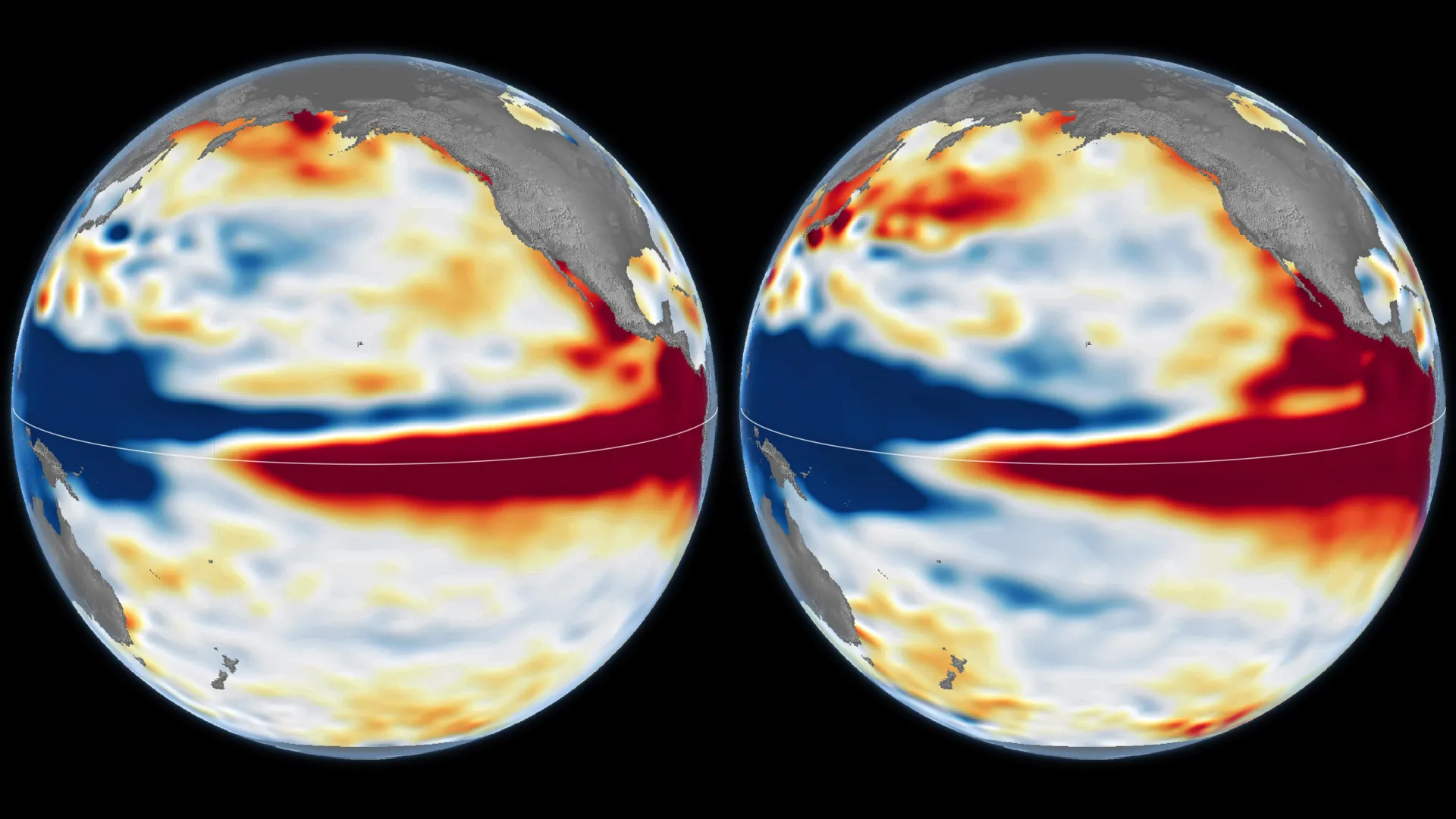
Satellite data reveals 2026 El Niño may rival 1997's historic intensity
Satellite data now shows the 2026 El Niño may rival the historic 1997 event, and NASA scientists are watching closely. The parallels are striking, though exact impacts remain uncertain. This is not alarmism, it is empirical observation demanding our attention. Understanding drives protection. As we track these climate indicators, our integrated data ecosystem connects ocean intelligence to real-world preparedness. For deeper context on how infrastructure adapts to climate pressures, see our coverage of the Panama Canal's measured recovery.
Patents for underwater data centres show China leading in energy-efficient innovation
China holds 80% of the world's patents for underwater data centres, a measurable lead in energy-efficient innovation as global energy demands rise. This is not about hype, it is about validated, real-time ocean intelligence integrated with infrastructure. For a deeper look at how scientists are documenting life in these same waters, see our coverage of *Discovering wonder in the Southern Ocean's hidden depths*. Understanding drives protection, and patents are one calibrated indicator of where that protection is heading.

Mapping Chemosensation: How Octopus Arms Detect Their World
An octopus arm is not just a limb; it is a distributed chemical laboratory. Specialized sensory receptors in each sucker allow these animals to taste the world through touch, detecting prey and predators with a precision that challenges our own visual bias. This recent research, grounded in peer-reviewed findings, reveals an integrated sensory ecosystem we are only beginning to understand. For those tracking how marine organisms interpret their environment, our related piece on identifying coastal debris offers a tangible counterpart to this molecular exploration.
Global Sand Extraction Data Reveals Unprecedented Ocean Floor Impact
Over 55 million cubic metres of sand are being dredged from the world's ocean floors every year, according to new data from the UNEP Marine Sand Watch. This industrial-scale extraction is leaving measurable, long-term scars on seabed ecosystems, an impact that is only now being empirically validated. The scale demands integrated ocean intelligence to guide sustainable practices. For deeper insight, see our coverage of how burrowing crustaceans leave validated eDNA signatures in seabed sediments.
Declining religious importance measured across English-speaking nations
Measured across English-speaking nations, religious importance is declining. The data is clear and calibrated: belief systems shift as societies evolve. This isn't alarmism, it's a validated, longitudinal trend worth understanding. We find this empirical shift as significant as the calibrated shift in global employment, where the service sector now dominates. Understanding drives protection, and tracking these human patterns helps us navigate our shared future.
Global population trends reached a measurable turning point in 2023
Global population trends reached a measurable turning point in 2023, a true demographic crossroad. This is not an abstract projection; it is an empirical shift in human geography that demands calibrated attention. Understanding these longitudinal data clarifies the pressure on our climate indicators and ocean intelligence systems. For deeper context on measurable global transitions, see our coverage of Australia's accelerating energy transition with solar and wind gains.
A calibrated shift: global employment data confirms the rise of the service sector
The service sector now accounts for roughly half of global employment, a calibrated shift confirmed by longitudinal data. This is not a sudden disruption but a measurable, integrated transition reshaping economies worldwide. Understanding this realignment matters for policymakers and researchers alike. For deeper context on global economic patterns, explore our related analysis on historical CO₂ emissions and the nations that have contributed most to them. The data is clear: work itself is transforming.
Measurable shift in homophobic attitudes across Western Europe and US
A measurable shift is underway: homophobic attitudes have fallen across Western Europe and the United States, according to Our World in Data. This is not a marginal trend but a calibrated, empirical change in social climate indicators. Understanding drives protection, and these longitudinal data validate that societal progress is real. For deeper context on how empirical research itself is being reshaped, see our related coverage on AI compute doubling every six months.
Global literacy gaps among youth reveal urgent need for measurable education action
Nearly half of the world's teenagers cannot read with comprehension. That is not a statistic; it is a generational failure of measurable education action. When a young person cannot parse a sentence, their capacity to engage with global challenges, ocean health, climate indicators, or any science, is fundamentally compromised. Understanding drives protection. Without foundational literacy, we lose the next generation of ocean stewards before they even see the shore.
Cooling access divides measured across global climate indicators
Access to cooling is not a universal reality, it is a measured divide. Global climate indicators reveal stark inequalities in air conditioning access worldwide. This is not merely a comfort gap; it is a matter of survival in a warming world. Understanding these disparities is essential for informed climate action. For another perspective on measurable global divides, see our coverage of meat consumption patterns, which reveals a clear link between national wealth and diet.
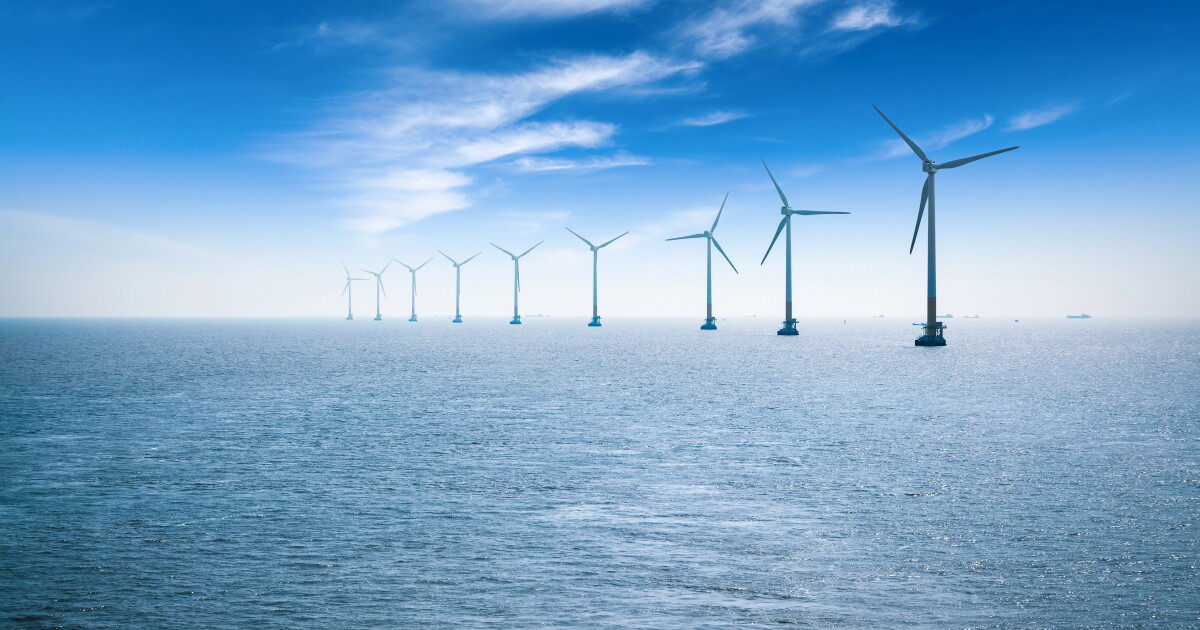
Calibrated at sea: wind-powered data center validates subsea operations
A wind-powered data center, calibrated at sea, is now validating subsea operations from the ocean floor. This is not a prototype; it is an operational, integrated data ecosystem delivering real-time, measurable results. The achievement underscores a fundamental truth: understanding drives protection. For deeper context on how shifting marine conditions challenge our assumptions, see our coverage of the shallow-water coral sighting near Naxos. From orbit to ocean floor, empirical observation remains our most calibrated instrument.

August ocean heat readings reach highest validated level on record
August ocean heat readings have reached their highest validated level on record, a measured signal that demands attention, not alarm. This empirical data point is another climate indicator in our integrated understanding of planetary change. For deeper context on how we track these systems, explore our coverage of the calibrated OceanRAIN shipboard dataset, which measures the full ocean water cycle. Understanding drives protection, and these numbers sharpen our focus.

An Atlantic water mass reveals its global circulation pathway
A single Atlantic water mass now reveals its global circulation pathway, the "Grand Tour" it takes around the world. Scripps Institution of Oceanography maps this journey with empirical precision, showing how a current that begins near the Azores becomes a measurable, real-time climate indicator across hemispheres. Understanding drives protection. For deeper context on how we validate such ocean intelligence, see our coverage of the calibrated global salinity dataset.
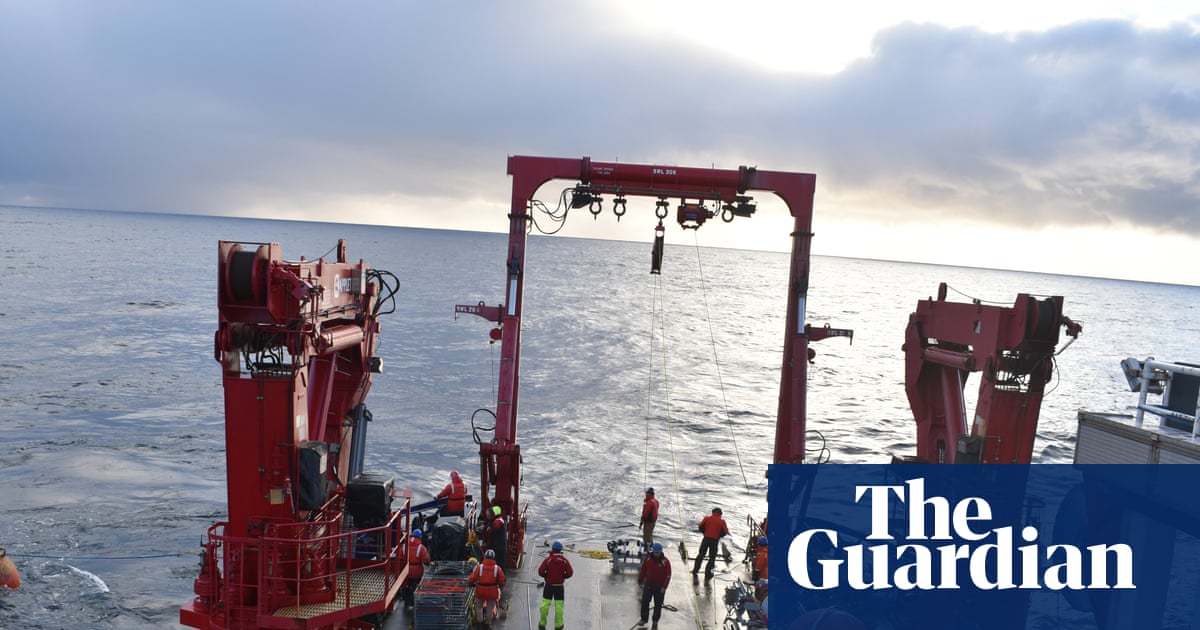
Proposed US monitoring cuts risk global loss of calibrated ocean intelligence
The Trump administration's proposal to eliminate US ocean monitoring systems would strip the world of calibrated, real-time climate intelligence. Scientists warn this leaves us flying blind on ocean warming and sea-level rise. Protecting this integrated data ecosystem is not optional, it is a matter of global scientific integrity. For context on how validated ocean data is built, see our related piece on the NCEI's *Ocean data expands from measured depths to validated insights*. Understanding drives protection; abandoning it invites risk.

Mapping the Ocean Floor: Geospatial Innovation Drives Global Discovery
The ocean floor remains Earth's least mapped frontier, yet geospatial innovation is closing that gap with measurable precision. This piece from Geography Realm examines how integrated data ecosystems and calibrated technologies are accelerating the effort to complete a global seafloor map. It is a practical, empirical look at a monumental task. For readers tracking maritime infrastructure's role in this work, our coverage of Van Oord's new fallpipe vessels, "Vindnes and Vestnes," offers a fitting complement.
Empirical Evidence: Young Scientists Document Ocean Changes, Challenge Climate Denial
Diane and Bronwyn didn't wait for a lecture to prove what they already suspected. They gathered their own observations, measured what they could, and brought the evidence to their science teacher. Their work is a reminder that empirical truth doesn't require permission. Climate denial weakens when met with calibrated, real-world data. These young women aren't just documenting change; they're modeling how inquiry can counter assumption.