weather
4 stories filed under weather on World Data Ocean. The newest of them: “Arctic Sea Ice Melt Season Stabilizes After Decades of Expansion”, “Data-Driven Insights Predict Maritime Emergencies, Highlighting Weather Risks”, and “Atlantic Current Weakening: Empirical Data Reveals Accelerated Change.”. The Arctic's melt season now runs roughly 40 days longer than in 1979, yet its rapid expansion unexpectedly stalled around 2010. Weather emerges as the dominant force in maritime safety, according to Inmarsat's analysis of 106,975 safety broadcasts. A Global Hub for Ocean Intelligence 4 World Data Ocean is a centralized digital platform where researchers, scientists, and ocean enthusiasts converge to… The list below is every weather story on World Data Ocean, newest first.
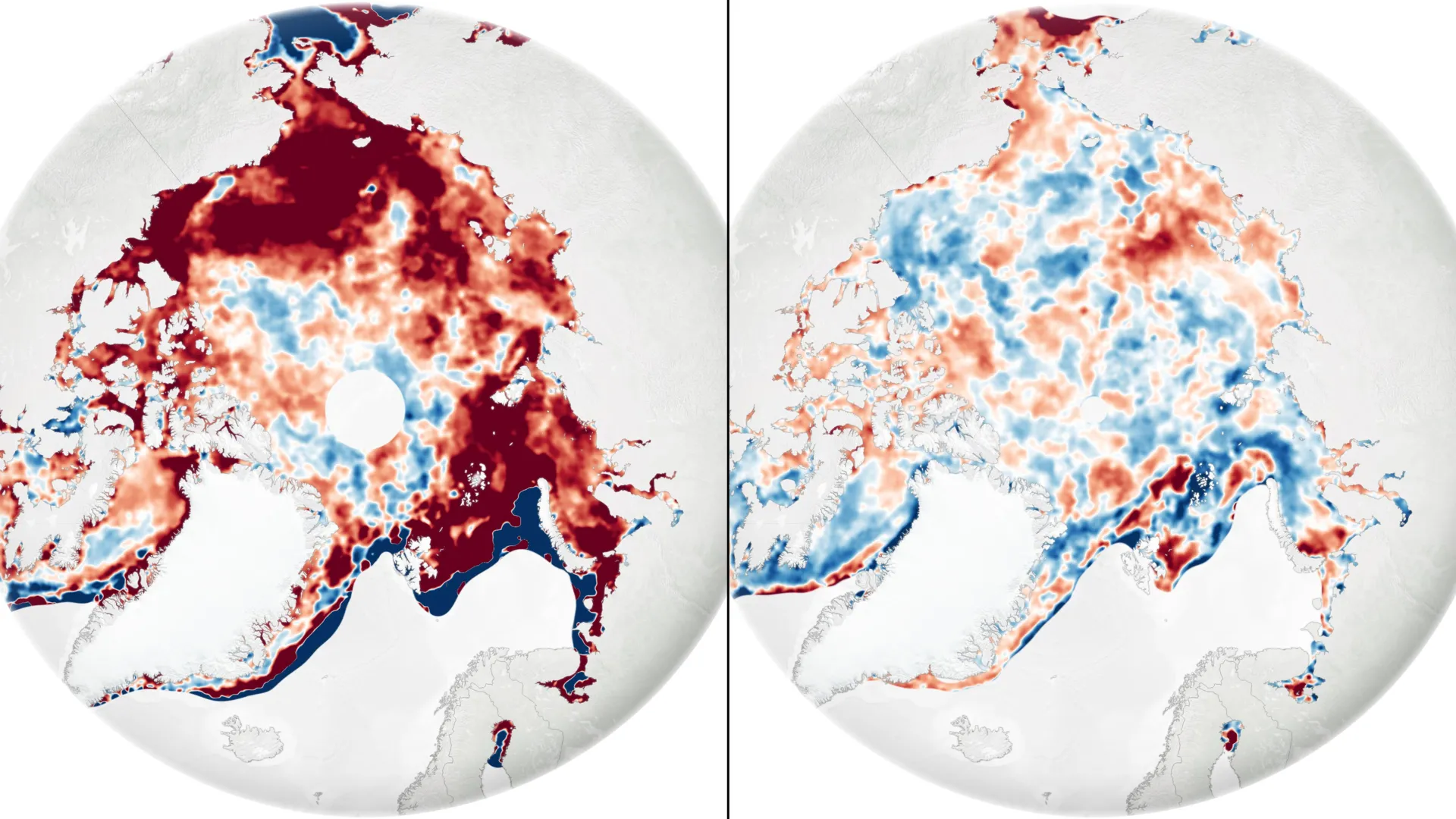
Arctic Sea Ice Melt Season Stabilizes After Decades of Expansion
The Arctic's melt season now runs roughly 40 days longer than in 1979, yet its rapid expansion unexpectedly stalled around 2010. Scientists point to shifting clouds and increasingly thin ice as possible drivers of this pause. That plateau is not a reprieve; continued warming could trigger another surge of change. For context on how Arctic dynamics intersect with commercial ambition, our coverage of Russia's Northern Sea Route icebreaker plans offers a practical counterpoint. The ice is settling, but its stability remains an open question.

Data-Driven Insights Predict Maritime Emergencies, Highlighting Weather Risks
Weather emerges as the dominant force in maritime safety, according to Inmarsat's analysis of 106,975 safety broadcasts. The data is clear: urgent warnings stem most frequently from weather-related risks, reinforcing that preparedness begins with environmental awareness. This is actionable intelligence for an industry where foresight saves lives. For readers tracking operational resilience, our coverage of Russia's icebreaker fleet strategy offers a complementary perspective on how nations are calibrating infrastructure against Arctic conditions. Understanding these patterns is not optional; it is the foundation of safer seas.

Atlantic Current Weakening: Empirical Data Reveals Accelerated Change.
The Atlantic Meridional Overturning Circulation is losing its grip, and the empirical record is unambiguous. New studies confirm this vital current system is weakening faster than projected, edging closer to a threshold that would redraw global climate patterns. This is not speculation; it is calibrated, peer-reviewed observation. We treat the data with the gravity it demands, because the measured shift is a direct signal of our collective impact.
Ocean Temperatures Reach Record High, Validating Climate Change Indicators.
August's ocean temperatures set a new record, and the data is unambiguous. This isn't a fleeting anomaly; it's a measurable signal that aligns with established climate indicators. We track these shifts because they carry consequences far beyond the surface. For those seeking to understand the mechanisms at play, our coverage of how magma and microbial activity may rewrite a 2-billion-year-old carbon signal offers a deeper, peer-reviewed perspective. The ocean is speaking in records; our role is to listen with calibrated, scientific rigor.