waterways
World Data Ocean keeps waterways in one place: 6 stories so far. The section currently leads with “Heightened Threat: Iran’s IRGC Targets Key East Asian Shipping Routes.”, “Sweden Bolsters Ukraine's Maritime Capabilities with Coast Guard Vessel Donation”, and “Securing Vital Sea Lanes: Commitment to Straits of Malacca and Singapore.”. Iran's Islamic Revolutionary Guard Corps has set its sights on some of Asia's busiest maritime arteries, including China's Ningbo-Zhoushan and Shanghai ports and Indonesia's Tanjung Priok. Sweden's donation of ten Coast Guard vessels to Ukraine is a measured, practical step for maritime resilience. A Global Hub for Ocean Intelligence 4 World Data Ocean is a centralized digital platform where researchers, scientists, and ocean enthusiasts converge to… The list below is every waterways story on World Data Ocean, newest first.
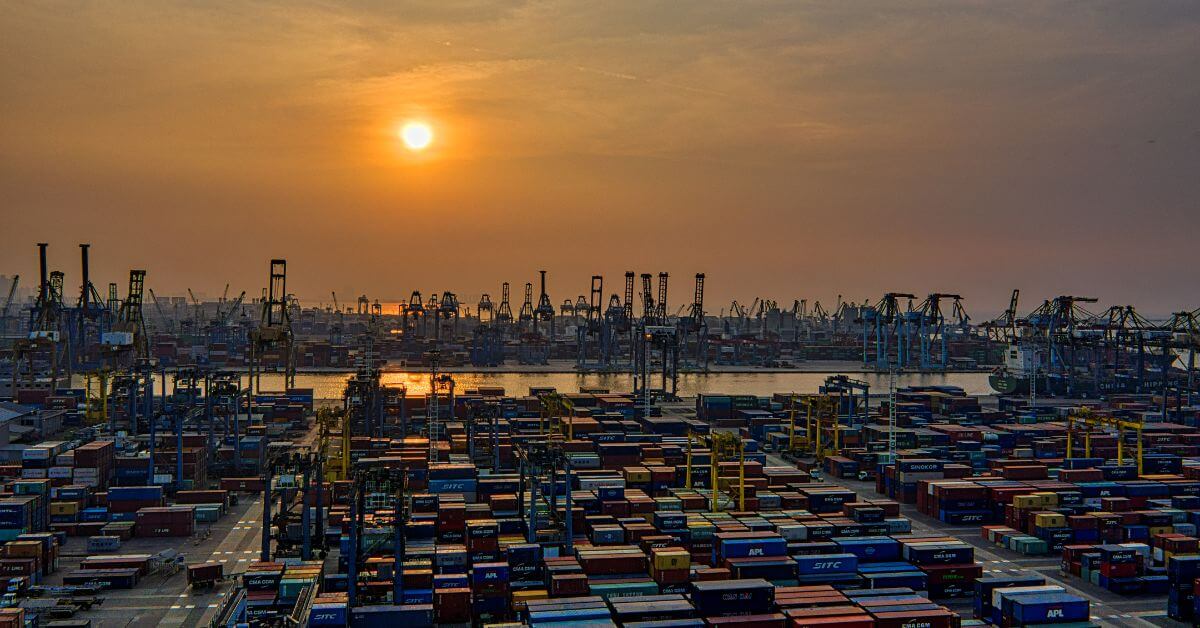
Heightened Threat: Iran’s IRGC Targets Key East Asian Shipping Routes.
Iran's Islamic Revolutionary Guard Corps has set its sights on some of Asia's busiest maritime arteries, including China's Ningbo-Zhoushan and Shanghai ports and Indonesia's Tanjung Priok. That is not posturing; it is a calibrated escalation with measurable consequences for global trade. The threat is specific, and it demands precise, empirical attention. Vessels and port operators should treat this as a real-time risk, not a hypothetical.
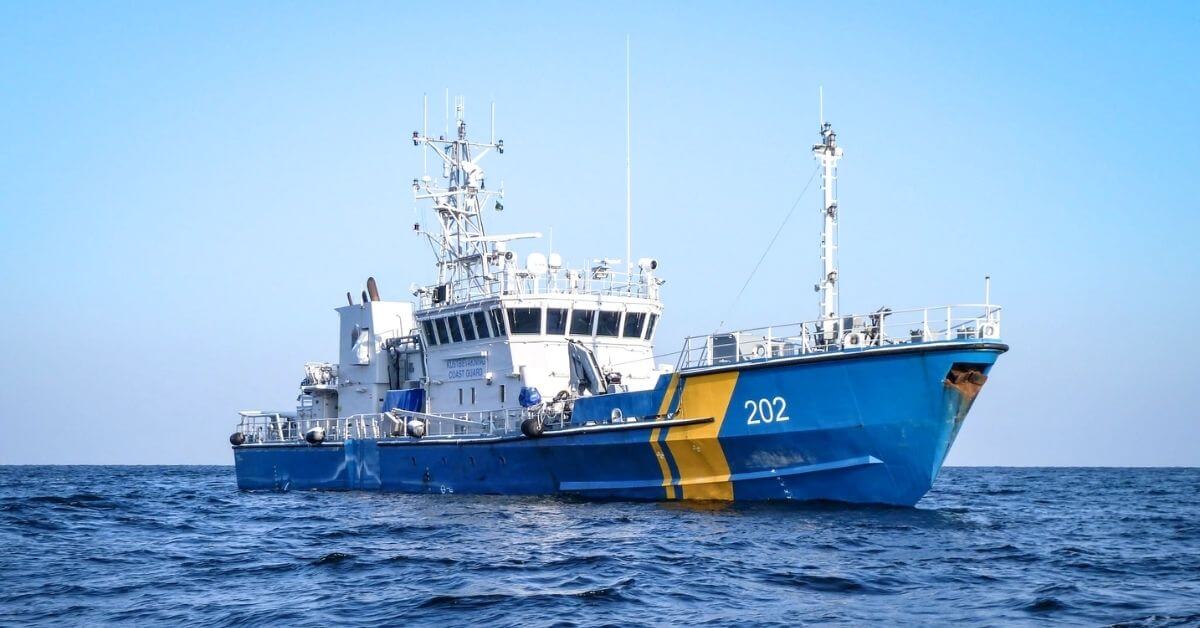
Sweden Bolsters Ukraine's Maritime Capabilities with Coast Guard Vessel Donation
Sweden's donation of ten Coast Guard vessels to Ukraine is a measured, practical step for maritime resilience. These boats, earmarked for mine clearance, transport, towing, and rescue, address immediate operational needs without theatrical posturing. It is a quiet reinforcement of capability, the kind of support that matters when every voyage carries risk. For context on the broader stakes, our related piece on the fatal attack on a cargo ship highlights how volatile these waters remain.

Securing Vital Sea Lanes: Commitment to Straits of Malacca and Singapore.
The Straits of Malacca and Singapore carry a third of global maritime trade, and their security is not negotiable. Indonesia, Malaysia, and Singapore have now made that priority explicit, committing to keep these vital sea lanes open for all nations. This is a calibrated, practical move that reinforces stability where it matters most. For readers tracking how regional infrastructure evolves, our related piece on integrated subsea cables enhancing Indian Ocean connectivity offers useful context.

AIS Data and Fuzzy Logic Model Assess Vessel Emissions Impact in Ports
Vessel carbon emissions in port waters are not evenly distributed, and Qingdao Port's September 2022 AIS and meteorological data reveal where the burden falls. A hierarchical fuzzy logic model, built on that data, weighs direct and indirect factors like offshore distance and ecological sensitivity. The result: harbor districts and wharves bear the highest impacts, led by oil tankers, container vessels, and passenger ships. This approach gives ports a calibrated, measurable way to target supervision.

Maritime Security Concerns Rise: Gulf of Aden Sees Renewed Piracy Risks
The Gulf of Aden's renewed piracy risk demands immediate attention. IMO Secretary-General Mr. Arsenio Dominguez spoke out after the SEAMULL was hijacked on 20 August 2026, a stark reminder that maritime threats remain persistent. This is not a distant problem; it directly endangers crews and global trade routes. Measured, decisive action is required to protect these waters. For broader context on regional security efforts, our related coverage on the eighty nations urging the reopening of the Strait of Hormuz offers critical perspective.

Shipping Route Stability: Iran Maintains Control of Strait of Hormuz.
The pause in fighting has steadied immediate concerns over further military escalation, yet the Strait of Hormuz remains a corridor where stability is measured in transit, not promises. Iran's maintained control here is a decisive factor for global oil flows, and we read this as a calibrated signal rather than a closed chapter. The diplomatic path forward is fragile, but for now, the route holds. For broader context on regional pressure points, our piece on Gulf of Oman STS transfers offers useful perspective.