war with Iran
World Data Ocean keeps war with Iran in one place: 3 stories so far. The section currently leads with “Long deployment data: USS Abraham Lincoln crew cognitive health assessed after 321 days”, “Validated Data: Eight Marines Injured in Strait of Hormuz Missile Strike”, and “Sailor Rescued from USS Abraham Lincoln Following Mental Health Incident”. Three hundred twenty-one days of continuous deployment. Eight US Marines were injured when an Iranian anti-ship cruise missile struck their vessel in the Strait of Hormuz. A Global Hub for Ocean Intelligence 4 World Data Ocean is a centralized digital platform where researchers, scientists, and ocean enthusiasts converge to… The list below is every war with Iran story on World Data Ocean, newest first.
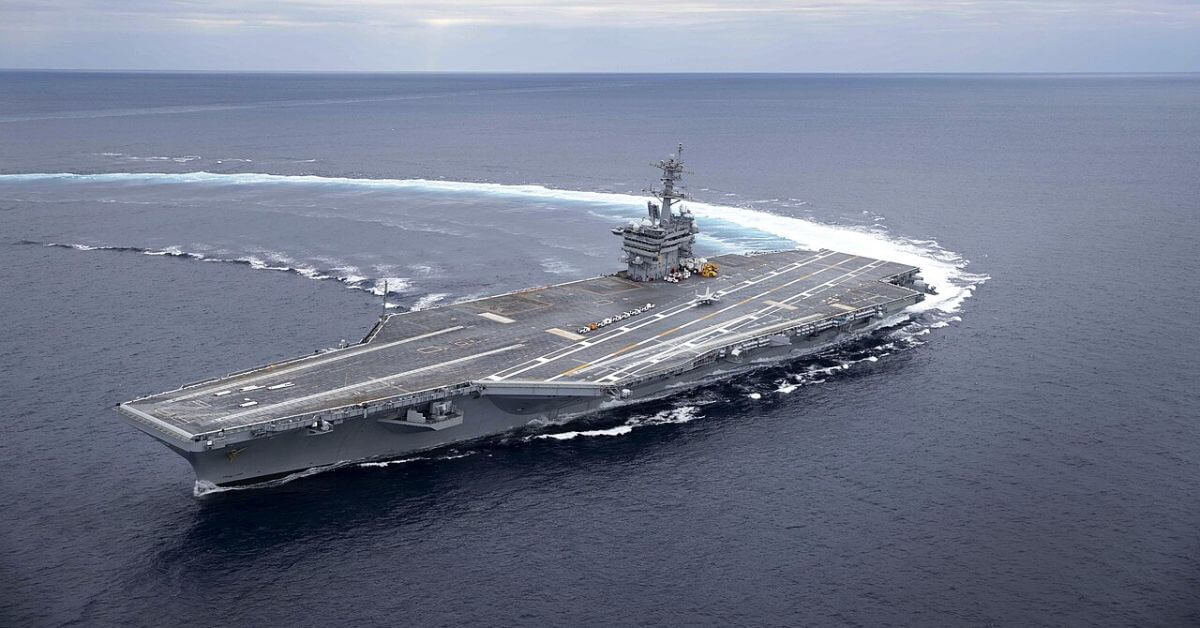
Long deployment data: USS Abraham Lincoln crew cognitive health assessed after 321 days
Three hundred twenty-one days of continuous deployment. The USS Abraham Lincoln returned to San Diego on October 8, and with it comes validated, longitudinal data on crew cognitive health under sustained operational stress. These empirical findings offer measurable insight into human resilience during extended combat support, critical climate indicators for naval readiness. For deeper context on sustained maritime operations, see our coverage of the USS Robert Smalls' seven-month Pacific intelligence mission.
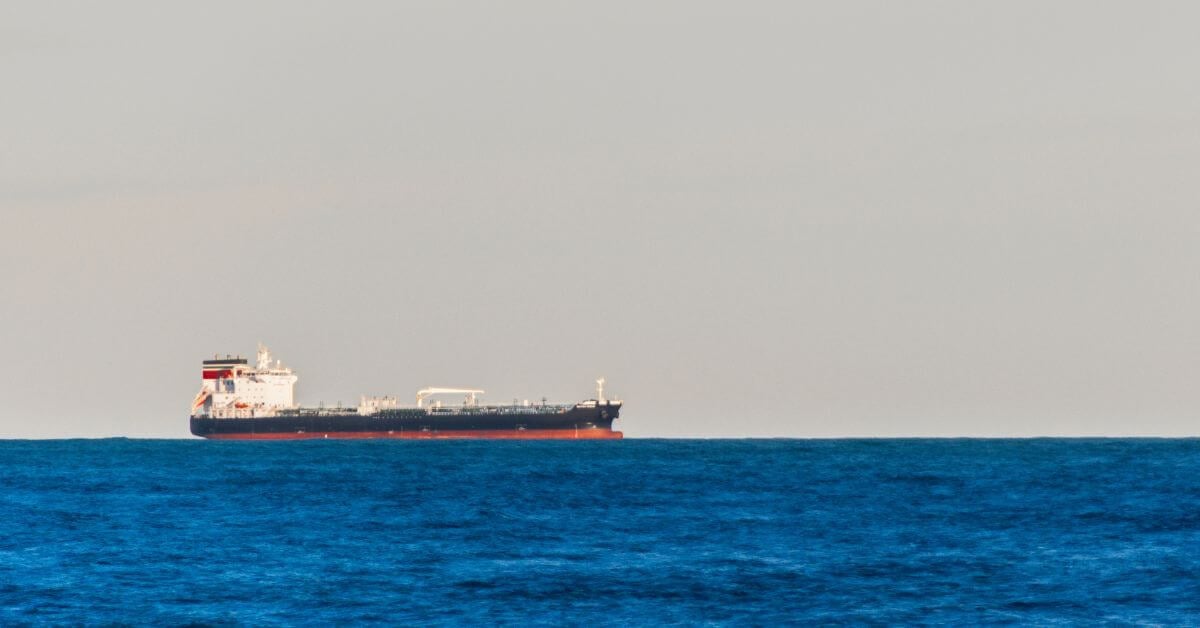
Validated Data: Eight Marines Injured in Strait of Hormuz Missile Strike
Eight US Marines were injured when an Iranian anti-ship cruise missile struck their vessel in the Strait of Hormuz. This is a measurable escalation in a waterway already under strain. Validated data from the incident underscores the human cost of strategic friction. Understanding these risks requires an integrated view of regional activity. Our coverage of the recent Gulf of Oman STS transfers offers further context on the pressures shaping this maritime corridor.
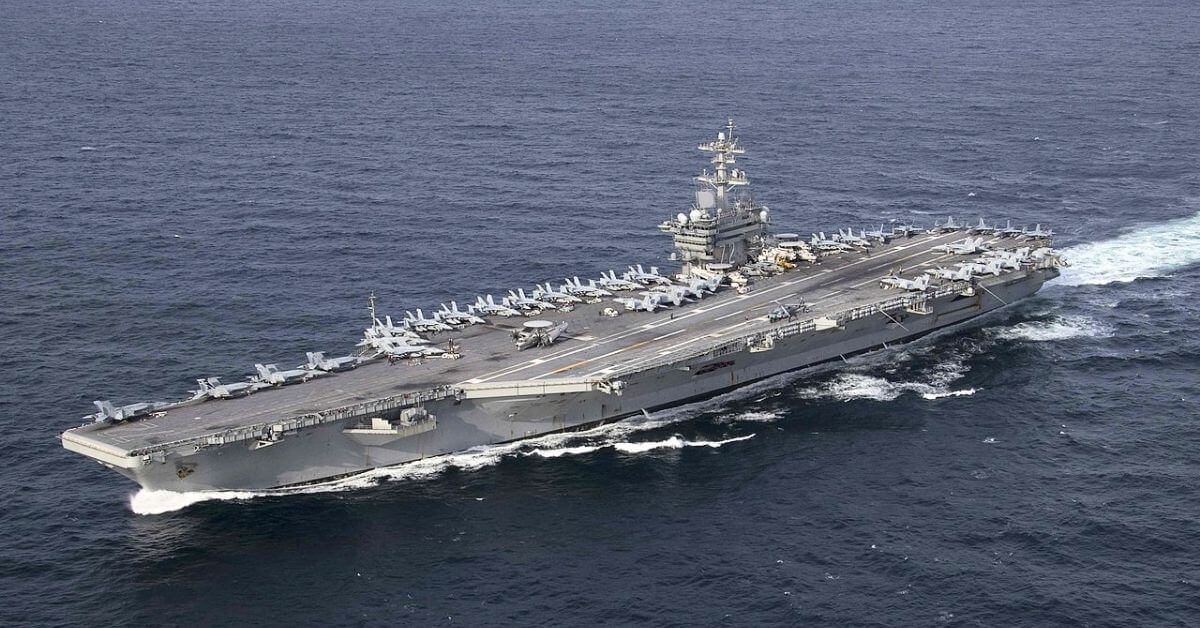
Sailor Rescued from USS Abraham Lincoln Following Mental Health Incident
A sailor who went overboard from the USS Abraham Lincoln during what his family described as a mental health crisis has been rescued and taken for medical treatment. The incident underscores a reality often overshadowed by hardware discussions: human factors remain the most critical variable in naval operations. Even as the Navy accelerates autonomous systems integration for enhanced maritime operations, this rescue is a reminder that safeguarding personnel is the foundation of every mission.