vulnerable
vulnerable at World Data Ocean is a file of 5 stories. The newest of them: “New data reveals Antarctic ice cliffs can self-stabilize, slowing collapse risk”, “Arctic sea ice thinning persists as winter and summer records decline”, and “Genetic Sequencing Reveals Novel Viruses Within Sea Turtle Populations”. Antarctica's tallest ice cliffs can self-stabilize, a finding that reshapes our understanding of collapse risk. Arctic sea ice is not just retreating, it is thinning. A Global Hub for Ocean Intelligence 4 World Data Ocean is a centralized digital platform where researchers, scientists, and ocean enthusiasts converge to… The list below is every vulnerable story on World Data Ocean, newest first.
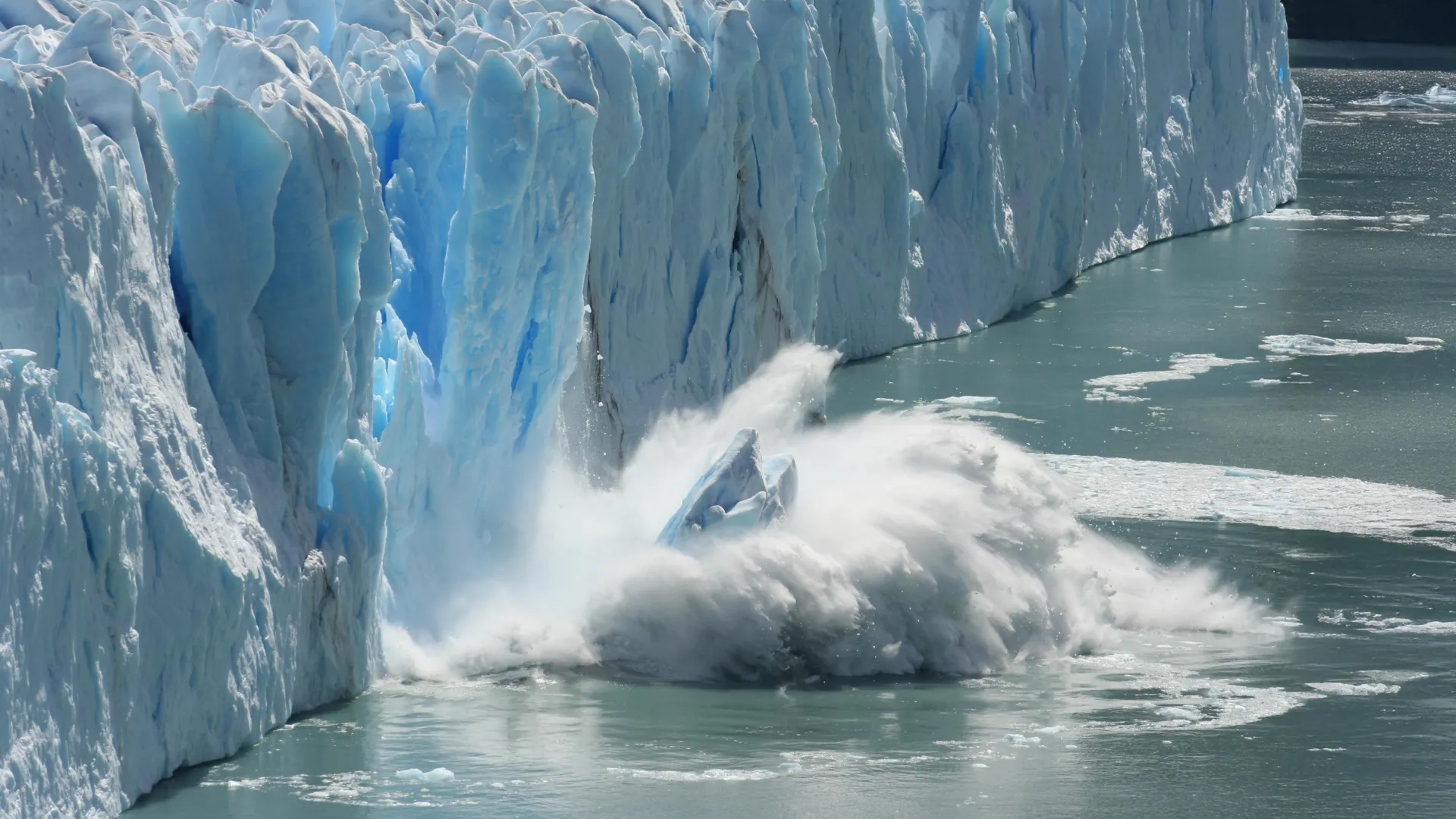
New data reveals Antarctic ice cliffs can self-stabilize, slowing collapse risk
Antarctica's tallest ice cliffs can self-stabilize, a finding that reshapes our understanding of collapse risk. After tracking over 15,000 cliffs, researchers observed that even the most towering formations often slow their own disintegration. Underwater ridges, surrounding water, and broken ice act as natural buffers against runaway failure. This is empirical progress, measured, validated, and essential for refining climate models.
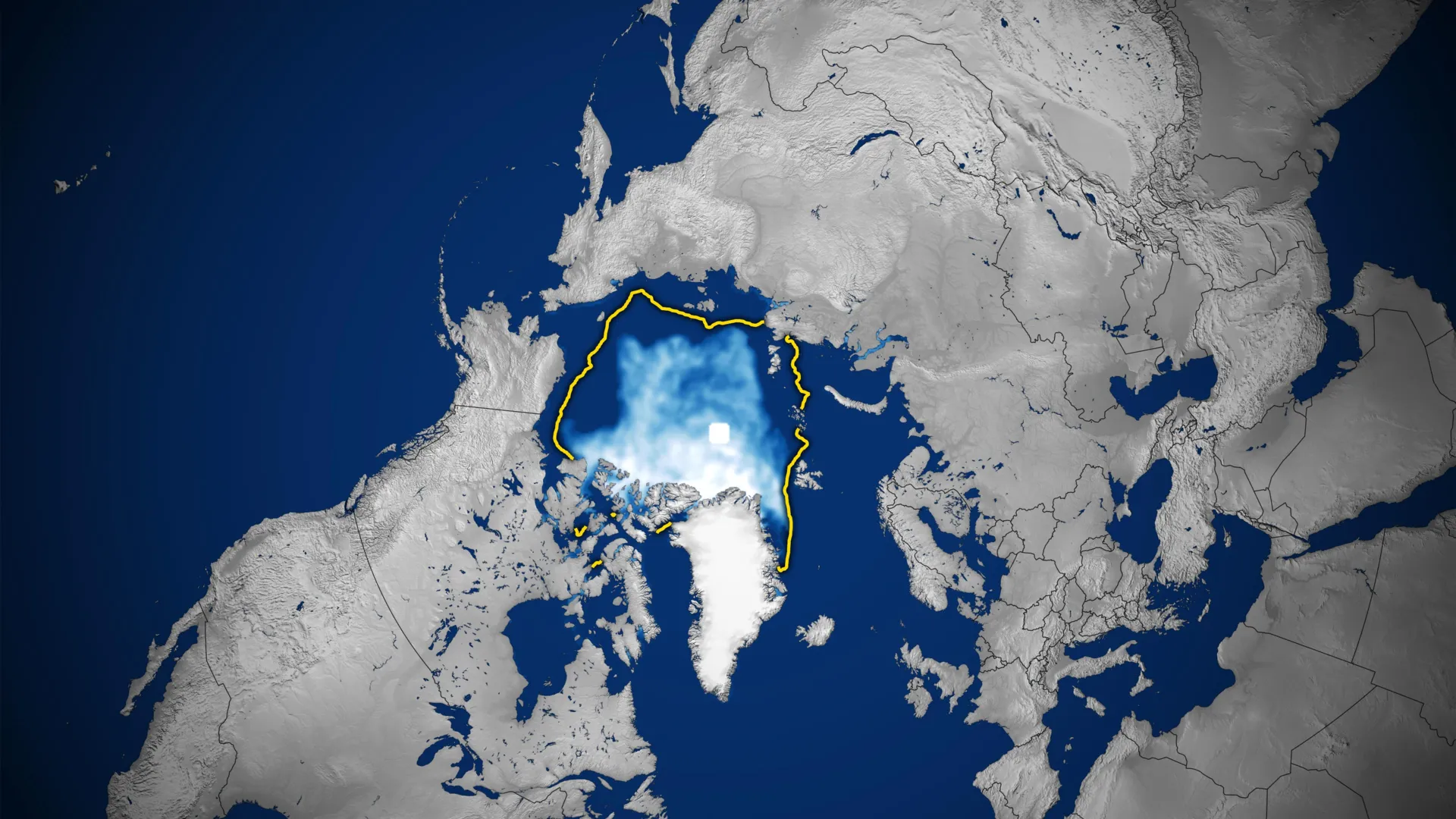
Arctic sea ice thinning persists as winter and summer records decline
Arctic sea ice is not just retreating, it is thinning. Satellite records show winter and summer ice extent declining, and the remaining ice is measurably younger and more vulnerable to melt. A nearly ice-free summer before 2050 is now a realistic projection. This loss of empirical, real-time ocean intelligence should sharpen our focus on integrated observation systems. Proposed US monitoring cuts, detailed in our related coverage, risk degrading the very data we need to track these climate indicators. Understanding drives protection.

Genetic Sequencing Reveals Novel Viruses Within Sea Turtle Populations
Beneath the shell, a hidden layer of biodiversity is surfacing. Genetic sequencing of sea turtle populations has revealed novel viruses, adding a new dimension to our understanding of marine health. This isn't just about pathogens; it's about the unseen connections that shape resilience in a changing ocean. The findings underscore the value of integrated data ecosystems, and they invite us to look closer at what we cannot see.

Satellite Imagery Reveals South Georgia's Elephant Seal Population Assessment
Satellite imagery has delivered the first comprehensive count of South Georgia's elephant seals in nearly three decades, and the numbers carry weight. We estimate 107,630 breeding females, down from 113,444 in 1995, but the authors rightly caution against reading this as stability. The census followed highly pathogenic avian influenza through the region, so this is a perturbed population, not a baseline. It is a reminder that remote, challenging sites need innovative tools.

Rapid Warming Threatens Atlantic Circulation’s Stability
The pace of warming may be the deciding factor for the Atlantic Meridional Overturning Circulation. New research indicates that rapid temperature rise, similar to today's trajectory, can push this massive system past a tipping point far earlier than gradual change would allow. The finding reframes our understanding of climate thresholds. For a broader perspective on how we track these shifts, our related piece, "Atlantic Circulation Weakens: Global Climate Reshaping Predicted," offers additional context.