vessel
113 stories filed under vessel on World Data Ocean. The newest of them: “Fatigue and Navigation Error Spark Vessel Collision Incident”, “Calibration Error: Incident Highlights Importance of Safety Protocols at Sea”, and “Mediterranean Vessel Interception Raises Geopolitical Tensions and Maritime Concerns”. A fatigued officer of the watch made navigational errors that sent a tanker into an anchored vessel, sparking fires and forcing both crews to abandon ship. A single misstep in rough seas turned routine maintenance into a serious incident, as an engineer lost balance and contacted a running A/C compressor belt. A Global Hub for Ocean Intelligence 4 World Data Ocean is a centralized digital platform where researchers, scientists, and ocean enthusiasts converge to… The list below is every vessel story on World Data Ocean, newest first.
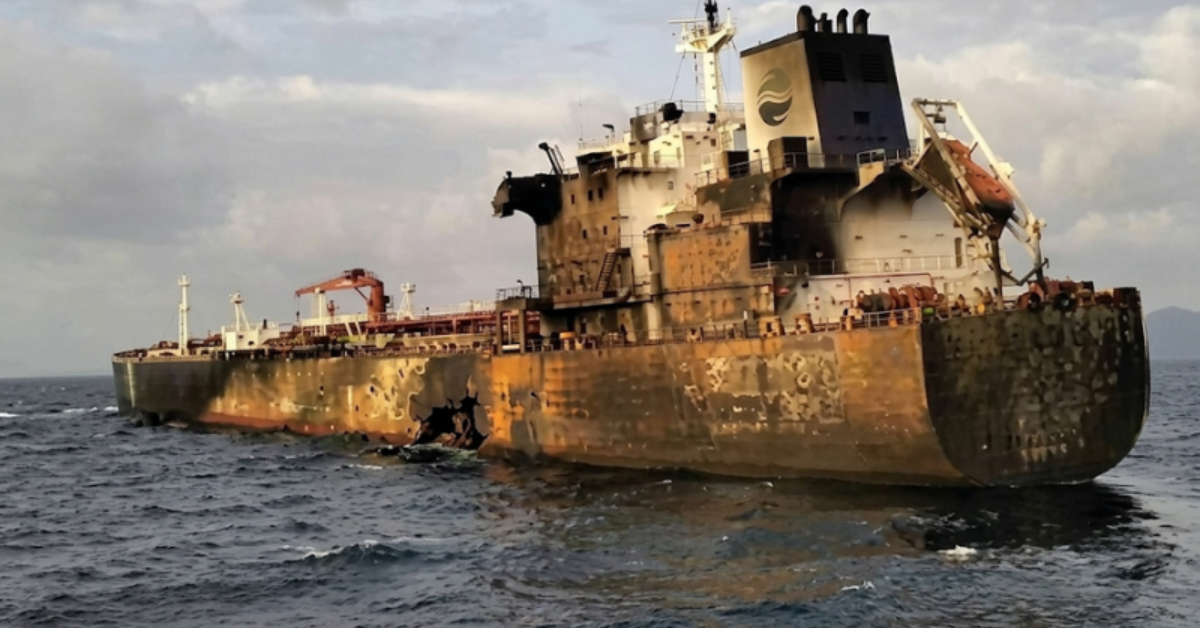
Fatigue and Navigation Error Spark Vessel Collision Incident
A fatigued officer of the watch made navigational errors that sent a tanker into an anchored vessel, sparking fires and forcing both crews to abandon ship. It is a stark reminder that human endurance has limits, and those limits have consequences. Fatigue is a measurable risk factor, and this collision shows what happens when it is not managed. For deeper context on regional shipping pressures, see our coverage of "Eighty Nations Urge Reopening of Vital Strait of Hormuz Shipping Lane."
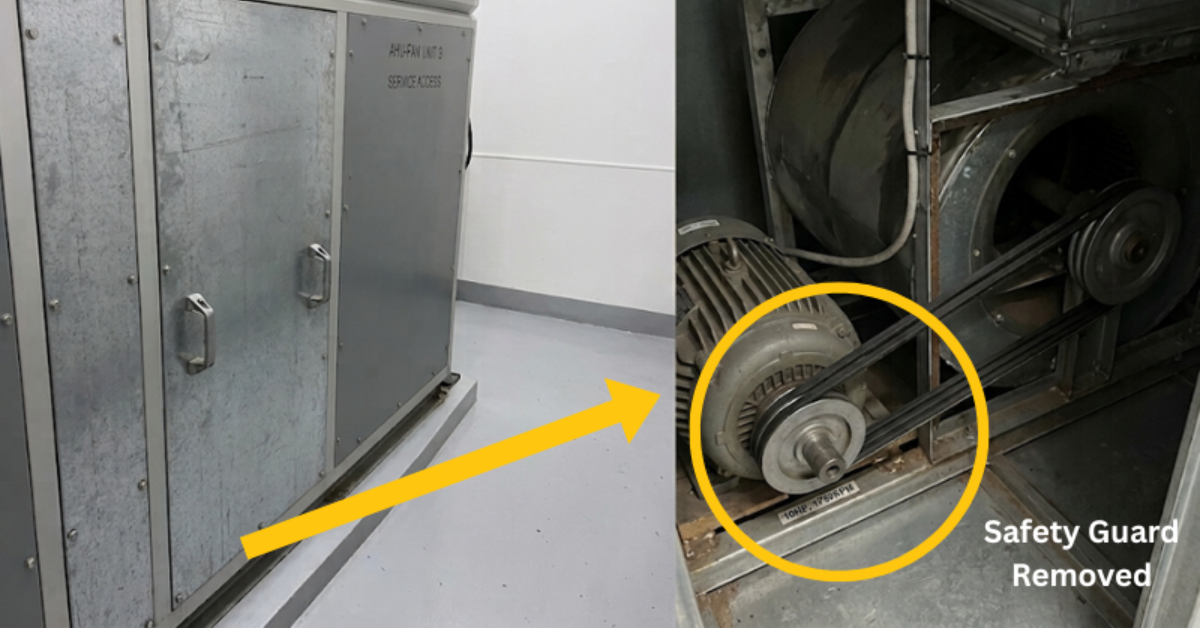
Calibration Error: Incident Highlights Importance of Safety Protocols at Sea
A single misstep in rough seas turned routine maintenance into a serious incident, as an engineer lost balance and contacted a running A/C compressor belt. The injury underscores a plain truth: protocols exist to be followed, not admired. Safety at sea is not theoretical, and this event is a measured reminder that operational discipline is the difference between a close call and a casualty.

Mediterranean Vessel Interception Raises Geopolitical Tensions and Maritime Concerns
The Mediterranean has become a flashpoint where a single vessel interception escalates into a geopolitical statement, and Russia's dismissal of such actions as "piracy" sharpens the divide. President Vladimir Putin's characterization frames maritime law enforcement as provocation, yet the practical risks to shipping lanes remain underexplored. This incident is not isolated; it echoes broader patterns of naval tension, much like the recent strikes on port infrastructure in confirmed military action.

Search and Rescue Underway Following Vessel Incident at Wuhan Port
Search and rescue operations are underway at Yangluo Port in Wuhan after an explosion and fire were reported onboard an LNG dual-fuel container ship, leaving one crew member missing. The incident underscores the inherent risks that persist even as maritime technology advances toward cleaner fuels. We track these events closely, not for spectacle, but because each incident offers empirical lessons for improving safety protocols.

Integrated Data Fuels Global Wind Energy Advancement Through Collaborative Vessel Delivery
After two years in construction at the COSCO Shipping Offshore shipyard in Qidong, the Wind Ace is ready to move. Its delivery signals something practical: the global push for wind energy depends on vessels that can be built and deployed efficiently. The vessel's launch is a concrete step, not a spectacle. For context on how maritime infrastructure is shifting elsewhere, our coverage of the Gulf of Oman STS transfers shows similar pressure points. Integrated data, here, means the difference between a ship and a system.

Technical Surveillance Enables Swift Rescue of Crew from Burning Vessel
When a fire broke out aboard a vessel, technical surveillance systems detected the threat early, enabling Maritime Guard rescue boats to reach the crew without delay. Swift action, driven by precise ocean intelligence, turned a potential tragedy into a controlled evacuation. This incident underscores how integrated monitoring tools deliver measurable outcomes when they matter most. For broader context on maritime risks, our related report, "Cargo Ship Fire Prompts Evacuation Near Mykonos; Incident Under Investigation," offers further insight into similar emergencies.

Ferry and Cargo Ship Collision Occurs at Souda Port, Crete.
A ferry and cargo ship collided at Souda Port, Crete, with the Elyros carrying 100 passengers, 32 cars, and 74 trucks when it struck the Iosif K., itself loaded with 84 trucks. No casualties have been reported, but the incident underscores how congested Mediterranean shipping lanes have become. Port authorities will need to examine what separated these two vessels.

Vessel Struck in Strait of Hormuz; Crew Rescued, No Environmental Impact.
A fire burned aboard a vessel in the Strait of Hormuz, yet the crew was rescued by a tugboat after safely abandoning ship. UKMTO confirmed no environmental impact, a detail that matters in a waterway this critical. The strait's fragility is well-documented, and this incident underscores the stakes. For deeper context on regional pressures, our piece on "Phased Negotiations Aim to Ease Restrictions on Strait of Hormuz" offers a broader view. Measured outcomes like this one are the ones that count.

Cargo Shift and Collision: Incident at Port of Tyne Raises Safety Concerns
The shifting of cargo containers aboard the BG Orange at the Port of Tyne signals a serious operational lapse that warrants close attention. When containers move from their original positions, the stability of the entire vessel is compromised, and the margin for error narrows considerably. This incident, reported by BG Freight Line, raises practical questions about loading procedures and securing protocols. We are not calling for alarm, but for calibrated scrutiny.

Tensions Rise as Vessel Fire Reported Near Strait of Hormuz
A fire aboard a vessel near the Strait of Hormuz has escalated tensions as the U.S.-Iran conflict enters its second week, with fresh attacks rippling across the region. The incident underscores how quickly maritime risks compound geopolitical instability. For context, recent reports of Gulf of Oman STS transfers maxing out highlight the strategic pressure on these waters. Reliable, real-time data remains essential for navigating such volatile conditions. Understanding these patterns is not optional; it is the foundation for measured response and resilient decision-making.

Glovis Lighthouse: Record-Breaking Vehicle Carrier Arrives at Southampton.
A new chapter in maritime logistics began as the Glovis Lighthouse, a record-breaking vehicle carrier, arrived at Southampton's Solent Gateway facility. The vessel's maiden voyage and first European port call signal a practical step forward in global shipping efficiency. This arrival reflects the kind of measured progress that keeps supply chains moving. For broader context on how ports are adapting to shifting trade demands, our coverage of Russian Terminals Adapt for Grain Export Surge offers a useful comparison.

India-Bound Shipping Traffic Highlights Iran's Strait of Hormuz Influence
Twenty percent of outbound Persian Gulf transit requests now name Indian ports, trailing only China's 21 percent. That concentration is a measurable signal of how deeply subcontinental demand shapes Gulf shipping lanes. It also underscores the strategic weight of the Strait of Hormuz as a chokepoint for India-bound energy and goods. For readers tracking maritime shifts, this complements our look at Goa's new seafarer welfare hub, a practical investment in the human side of these same routes.

Norwegian Star's Arrival Highlights Aberdeen's Growing Cruise Capacity
The Norwegian Star's arrival in Aberdeen's South Harbour, carrying 2,366 guests from Newhaven, signals more than a routine call. It marks a measurable expansion of Scotland's maritime infrastructure, a development worth tracking closely. As cruise capacity grows, so does the need for integrated port intelligence that supports both economic vitality and environmental responsibility. This is not isolated growth; it parallels broader ocean security efforts, such as those detailed in our coverage of recent Coast Guard interdictions.

Black Sea Grain Exports Diminished: Ukraine Defends Vital Shipping Lanes
Ukraine has lost roughly one-third of its grain export capacity through its key Black Sea ports, a direct consequence of repeated Russian missile and drone strikes. This is not a statistic to gloss over; it is a measurable blow to global food security. The country continues to defend these vital shipping lanes with resolve, understanding that every calibrated effort sustains more than its own economy.

San Francisco Bay Incident: Vessel Capsized, Search Underway.
A 49-foot cruiser capsized in San Francisco Bay after a wave struck it mid-return from a memorial voyage to scatter a family member's ashes. The search is underway, and the weight of that mission makes the incident especially sobering. These are the moments when ocean conditions turn unforgiving, even close to shore. For those tracking maritime safety, our coverage of the submerged fishing vessel off Rhode Island offers a parallel reminder of how quickly recovery efforts can extend. We will follow this search closely.

Sailor Lost at Sea After Vessel Struck in Strait of Hormuz.
The Strait of Hormuz became the site of a critical incident at 3:30 a.m. IST, when a vessel carrying 24 crew members, including 11 Indians, was struck. A sailor is now lost at sea, and the search underscores the human cost embedded in complex maritime routes. This is not abstract data; it is a life disrupted. We monitor these waters closely, and our recent coverage of Gulf of Oman STS transfers highlights the region's escalating pressures. Our thoughts are with the crew and their families.

Vessel Splits and Sinks in Strait of Hormuz; Crew Rescued
A vessel split and sank in the Strait of Hormuz, coming to rest on the shallow seabed with its bow and stern above the waterline. The crew was rescued. This incident underscores the fragility of maritime operations in one of the world's most vital shipping lanes. For context on the broader pressures shaping this waterway, our related coverage on "Phased Negotiations Aim to Ease Restrictions on Strait of Hormuz" offers deeper insight. The strait's resilience is being tested, and the stakes remain measurable.