vessel traffic
vessel traffic at World Data Ocean is a file of 10 stories. The newest of them: “Risk-Based Mapping Sharpens Oil Spill Response in Busan's Split Jurisdictions”, “Integrated waterway connects China’s interior to Southeast Asian trade routes.”, and “U.S. Ports See Continued Strength with 1.88M TEUs Moved in August”. In Busan, where split jurisdictions and dense vessel traffic test response readiness, the gap between resource volume and placement can decide outcomes. The Pinglu canal is engineered for ships up to five thousand tonnes, a scale that speaks to its ambition. A Global Hub for Ocean Intelligence 4 World Data Ocean is a centralized digital platform where researchers, scientists, and ocean enthusiasts converge to… The list below is every vessel traffic story on World Data Ocean, newest first.

Risk-Based Mapping Sharpens Oil Spill Response in Busan's Split Jurisdictions
In Busan, where split jurisdictions and dense vessel traffic test response readiness, the gap between resource volume and placement can decide outcomes. This study sharpens that equation by mapping oil recovery capacity to risk, cutting initial response times by up to 44.4% under a 3-hour benchmark. It is a practical move from administrative habit to measurable preparedness. For those tracking maritime response strategy, related coverage on dynamic SAR resource allocation offers a useful parallel.
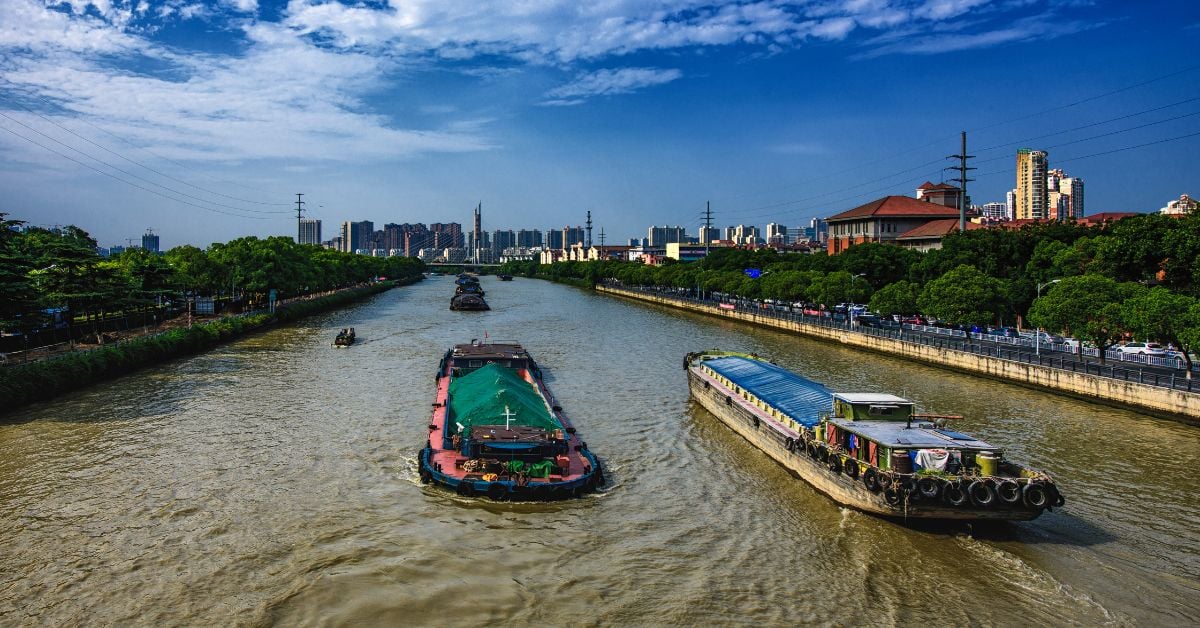
Integrated waterway connects China’s interior to Southeast Asian trade routes.
The Pinglu canal is engineered for ships up to five thousand tonnes, a scale that speaks to its ambition. It will carve a direct line from China's interior to Southeast Asian markets, trimming over 5 billion yuan in annual shipping costs. That is not a marginal efficiency; it is a structural shift in regional logistics. We see this as a deliberate move toward integrated waterway intelligence.
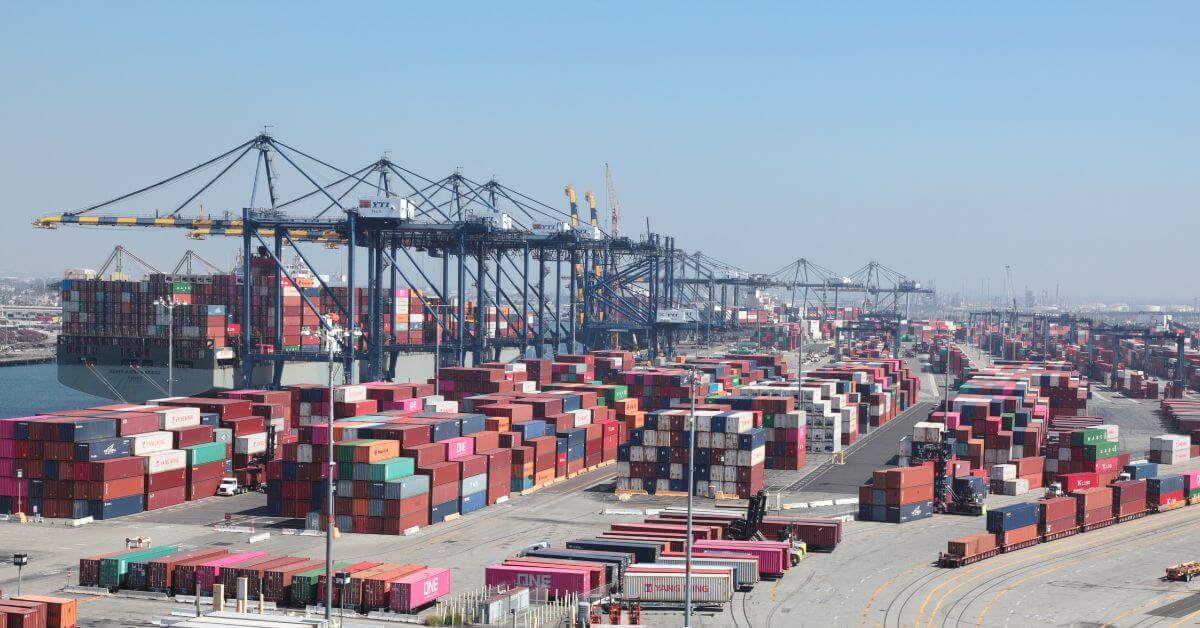
U.S. Ports See Continued Strength with 1.88M TEUs Moved in August
August's throughput of 1.88 million TEUs marks a 2% gain over last year, landing the port its fifth-busiest month in 115 years. Consistency like this signals more than resilience; it reflects a data-driven logistics ecosystem operating at scale. Sustained volume at this level supports broader ocean intelligence efforts, from cargo tracking to climate monitoring. For context on how maritime security intersects with these operations, our coverage of Maritime Interdictions Yield 25,000 Pounds of Cocaine underscores the layered realities of ocean stewardship.

Joint Navigation Corridor Proposed to Enhance Strait of Hormuz Transit
A joint navigation corridor through the Strait of Hormuz offers a practical path forward, pairing immediate transit security with a coordinated mine-clearing effort. The proposal is measured and specific, which is what makes it credible. It treats the waterway not as a symbol, but as a system that can be stabilized through deliberate, shared action. For readers tracking the region's pressure points, our related coverage on Gulf of Oman STS transfers provides useful context on how commercial traffic is already adapting to constraints.

SAIPEM 7000 Transit Highlights Maritime Traffic and Ocean Operations.
The SAIPEM 7000, the world's third-largest crane ship, recently transited the Dardanelles Strait, a maneuver that underscores the constant, calibrated movement underpinning global maritime operations. This heavy-lift and pipelay vessel represents the integrated infrastructure that keeps energy supply chains moving. For readers tracking these dynamics, our coverage of "Gulf of Oman STS Transfers Max Out Amid Rising Saudi Oil Exports" offers a complementary view of how vessels adapt to shifting demand. Understanding these operational rhythms is key to measuring real-world climate and trade indicators.

Bulk Carrier Grounds in Dardanelles Strait Following Engine Failure
A 190-metre bulk carrier ran aground in the Dardanelles Strait after an engine failure, halting its passage from Syria to Russia at the Nara turn. Mechanical casualties in this narrow waterway test both crew response and navigational precision. The San Marino-flagged vessel's grounding underscores how quickly transit disrupts in a region already dense with maritime activity. We track these incidents because each one adds to the operational picture. For broader context on regional pressures, see our coverage of strikes targeting vessels in the Black Sea.

Oman Proposes Transit Fees for Strait of Hormuz, Awaits Response.
Oman's proposal to levy transit fees on Strait of Hormuz traffic introduces a pragmatic, if contentious, lever into one of the world's most vital shipping lanes. The move underscores how maritime chokepoints are becoming instruments of economic statecraft. Iran's simultaneous denial of talks with Washington, paired with its conditional pledge to hold fire, keeps the region's temperature measured but uncertain. Measured dialogue, not alarm, is the path forward.

Red Sea Transit Declines Amidst Escalating Regional Tensions.
The Red Sea's vital artery is narrowing. Only 11 commodity vessels traversed the Bab el-Mandeb Strait on Sunday, the fewest in months, according to Kpler data. This is not a statistic to skim past; it is a measured signal of how escalating regional tensions are physically reshaping global trade routes. The decline is empirical, and it demands attention.

Shipping Disrupted at Antwerp Following Hydrogen Fluoride Leak Incident
A hydrogen fluoride leak aboard the MSC Mia Summer II has forced a halt to operations at Antwerp's MSC PSA European Terminal. The incident, occurring at the Deurganck Dock, disrupted shipping at a critical juncture for global trade. While the immediate response is underway, the episode is a sharp reminder of the risks embedded in port logistics. For context on broader infrastructure shifts, our piece on the integrated waterway connecting China's interior offers a useful counterpoint.

Collision Impacts Operations at Cameroon’s Key Commercial Port
A 28,400-deadweight-ton bulk carrier, the Sea Honor, collided with the 5,113-ton cargo ship Black Rhino at Cameroon's primary commercial port, disrupting operations at a critical maritime gateway. Such incidents test the resilience of port infrastructure and the coordination of response teams under pressure. While the full scope of damage remains under assessment, the event underscores how quickly commercial traffic can be halted by a single moment of impact.