unmanned systems
unmanned systems at World Data Ocean is a file of 6 stories. The newest of them: “India's Private Shipyard Delivers First Multipurpose Naval Vessel INS Samarthak”, “Navy Accelerates Autonomous Systems Integration for Enhanced Maritime Operations”, and “Quantum Sensors on Drones Enhance Underwater Surveillance Capabilities”. On October 16, 2026, the Indian Navy commissioned INS Samarthak, the first multipurpose naval vessel built by a private Indian shipyard. The Navy's new integration centre signals a deliberate step toward weaving autonomous systems into the fabric of daily maritime operations. A Global Hub for Ocean Intelligence 4 World Data Ocean is a centralized digital platform where researchers, scientists, and ocean enthusiasts converge to… The list below is every unmanned systems story on World Data Ocean, newest first.
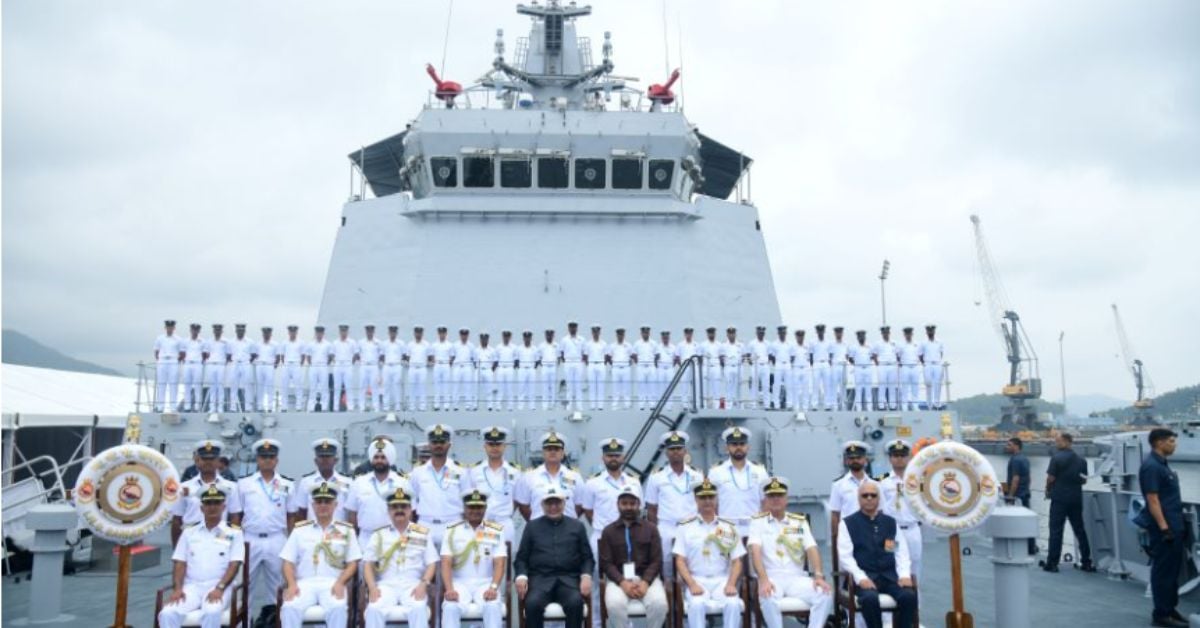
India's Private Shipyard Delivers First Multipurpose Naval Vessel INS Samarthak
On October 16, 2026, the Indian Navy commissioned INS Samarthak, the first multipurpose naval vessel built by a private Indian shipyard. This milestone validates the country's growing capacity for indigenous, integrated naval construction. Measurable progress in maritime sovereignty demands such calibrated steps. For a parallel in polar capability, see our coverage of Canada's largest polar icebreaker, CCGS Imnaryuaq, now under construction to expand Arctic ocean intelligence.
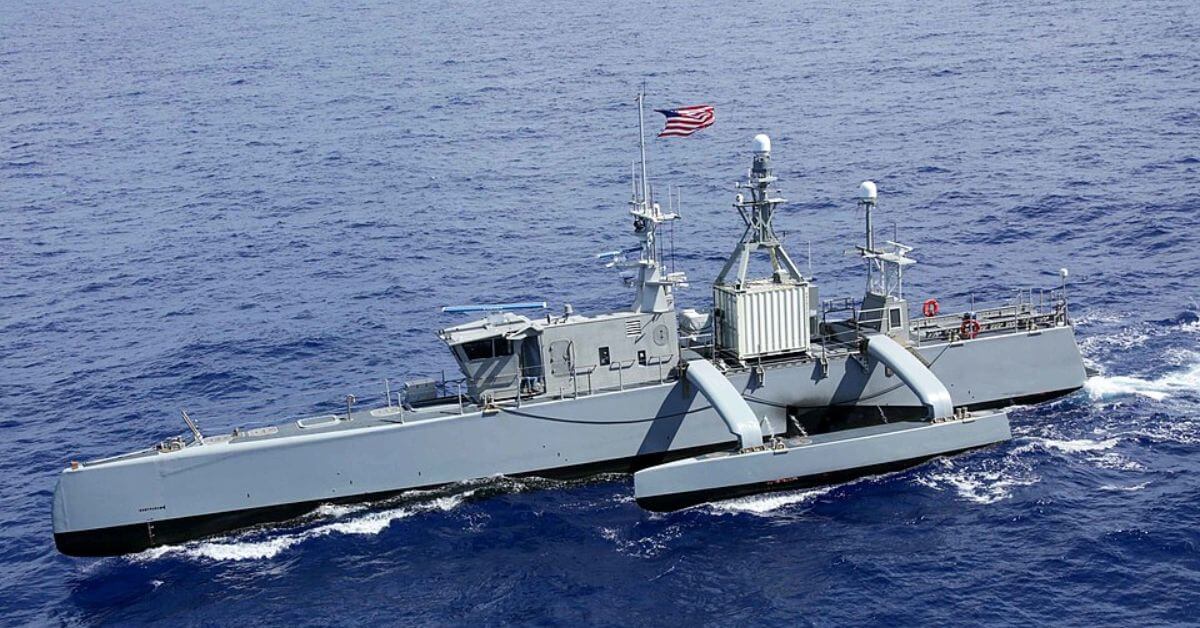
Navy Accelerates Autonomous Systems Integration for Enhanced Maritime Operations
The Navy's new integration centre signals a deliberate step toward weaving autonomous systems into the fabric of daily maritime operations. It is a practical move, grounded in the need for real-time adaptability across fleets. We see this as recognition that robotic assets are no longer peripheral experiments but core instruments for maintaining operational edge. The focus on integration over introduction is the right emphasis.
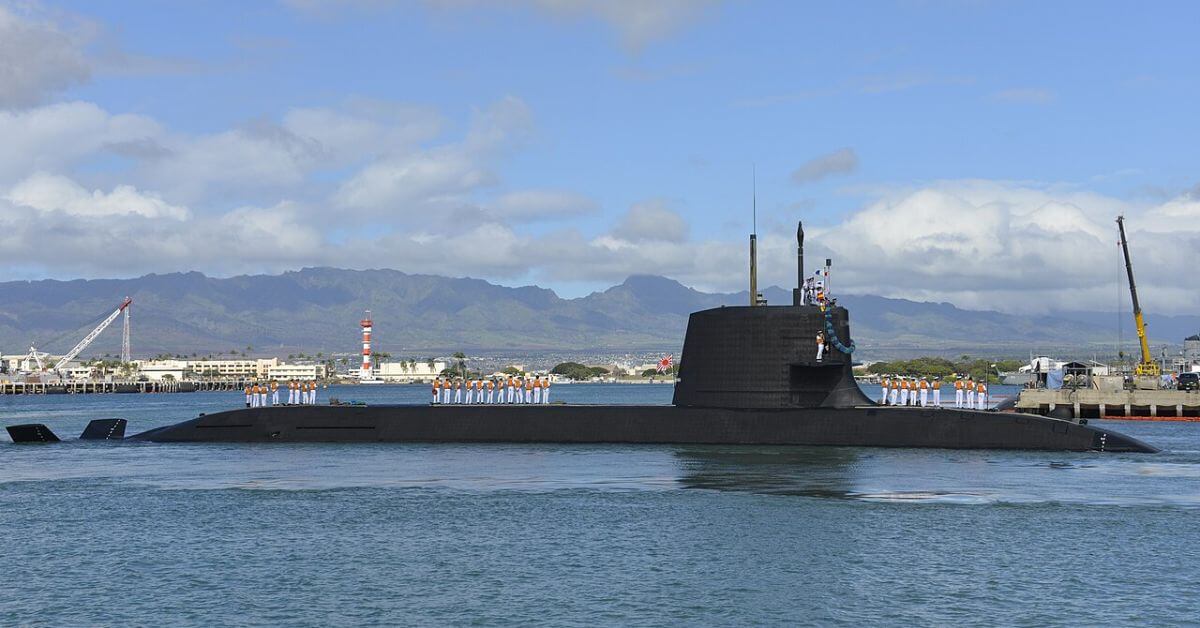
Quantum Sensors on Drones Enhance Underwater Surveillance Capabilities
Quantum sensors mounted on low-cost drones could bring a new layer of precision to underwater surveillance, operating directly from warships near the sea surface. This is practical innovation with measurable impact. The approach pairs validated technology with operational simplicity, strengthening maritime awareness where it matters most. For broader context on regional maritime pressures, our coverage of Gulf of Oman STS transfers offers useful perspective. Understanding drives protection, and this capability moves that principle closer to real-world deployment.

Naval Aviation's Future: HII Secures Contract for Next-Generation Carrier
A $336 million agreement with HII secures the components for CVN 82, a nuclear-powered carrier that will extend the Navy's operational reach. This is a deliberate investment in long-term maritime capability, not a headline-grabbing gesture. The ship represents the kind of sustained, measurable progress that defines modern naval force design. For readers tracking how these platforms fit into a broader picture, our coverage of "China's New Nuclear Carrier Signals Extended Naval Operations Capability" offers useful context.
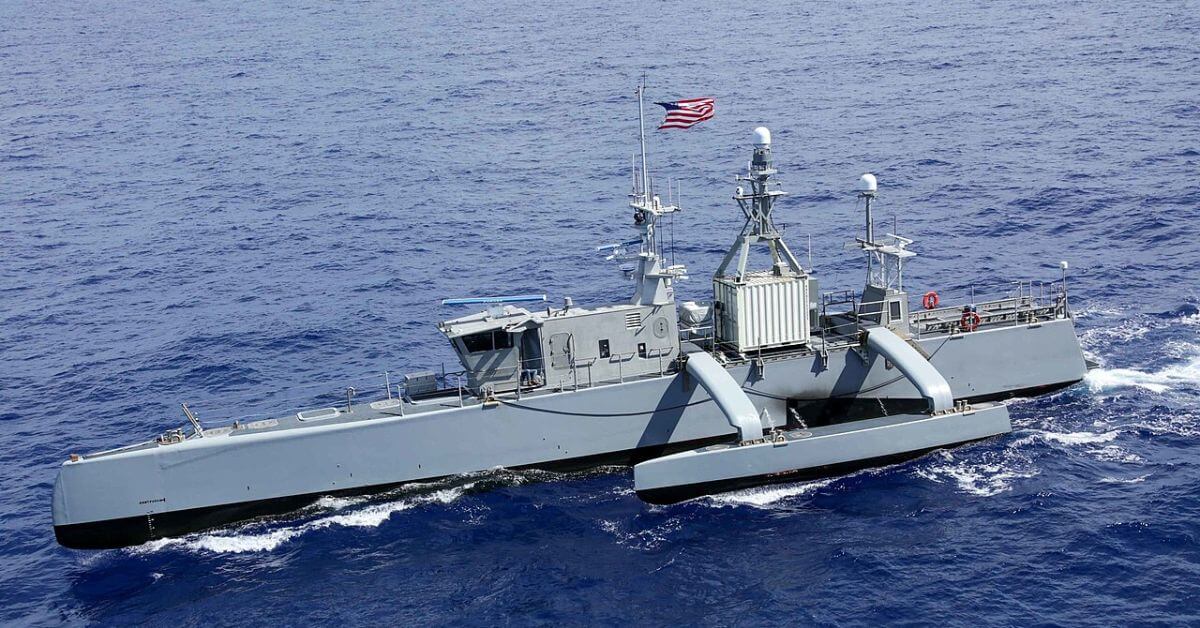
Validated Power: mtu Engines Certified for U.S. Navy Autonomous Vessels
The U.S. Navy's certification of mtu Series 4000 and 2000 engines marks a measured step forward for autonomous maritime operations. Rolls-Royce has secured a role in a domain where reliability is non-negotiable. This validation signals trust in proven engineering, not just promise. For readers tracking the service's broader push into unmanned systems, our piece on the Navy's new integration center offers useful context. Autonomous vessels depend on consistent power; these engines now carry the official weight of that responsibility.

Ukrainian Drones Target Vessels in Black Sea, Disrupting Shadow Fleet Operations
The confirmed strikes on five oil tankers, one gas tanker, three dry cargo vessels, and two tugboats mark a precise escalation in disrupting shadow fleet operations. USF Commander Brovdi's report clarifies the scale of this action, and the measured impact here is notable. This is not chaos; it is calibrated pressure. For context on the broader shift toward maritime autonomy, our piece on the Navy's accelerated systems integration offers a useful parallel. These developments signal a hardening of tactics across the region's waters.