Underwater Operations
3 stories filed under Underwater Operations on World Data Ocean. The newest of them: “INS Nipun Joins Indian Navy Fleet, Bolstering Underwater Capabilities”, “Indigenous Vessel Nipun Bolsters Indian Navy’s Underwater Capabilities”, and “Autonomous Vehicle Launches Payload Underwater, Marking a Technological Advance.”. The Indian Navy has commissioned INS Nipun, its second Nistar-class Diving Support Vessel, at the Naval Dockyard in Mumbai, adding a measured edge to its underwater capabilities. India has added a distinctly indigenous asset to its naval fleet with the Nipun, a vessel designed and built by Hindustan Shipyard Limited in Visakhapatnam. A Global Hub for Ocean Intelligence 4 World Data Ocean is a centralized digital platform where researchers, scientists, and ocean enthusiasts converge to… The list below is every Underwater Operations story on World Data Ocean, newest first.
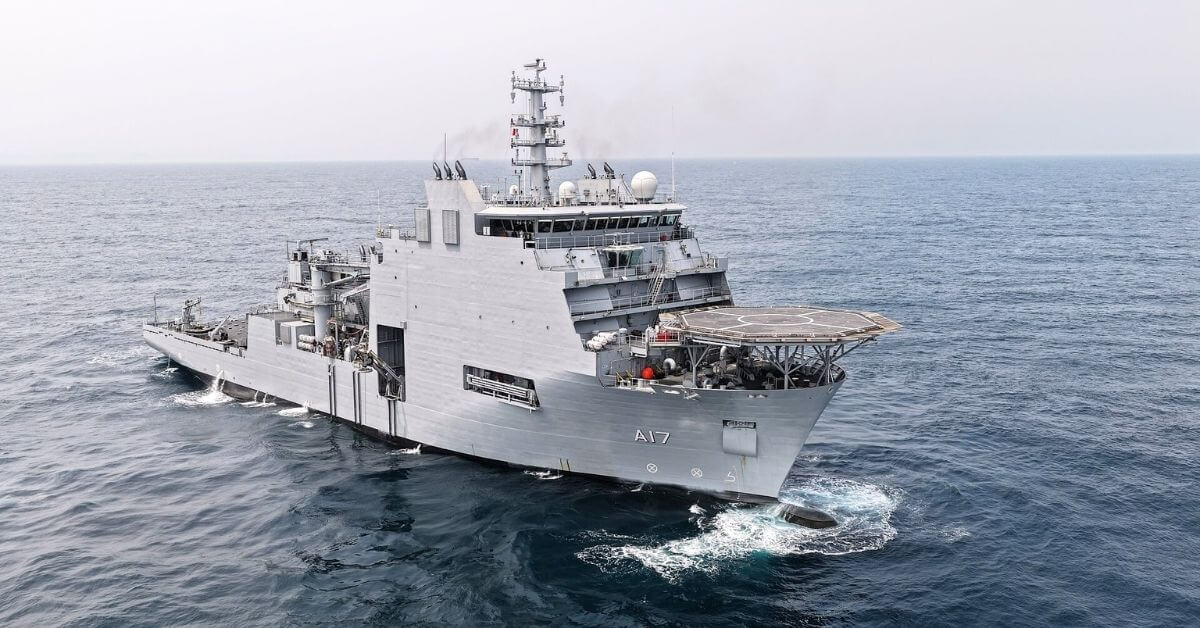
INS Nipun Joins Indian Navy Fleet, Bolstering Underwater Capabilities
The Indian Navy has commissioned INS Nipun, its second Nistar-class Diving Support Vessel, at the Naval Dockyard in Mumbai, adding a measured edge to its underwater capabilities. This is a practical step, not a spectacle: a ship built to sustain divers and subsea operations with quiet competence. We see it as a deliberate signal of readiness.
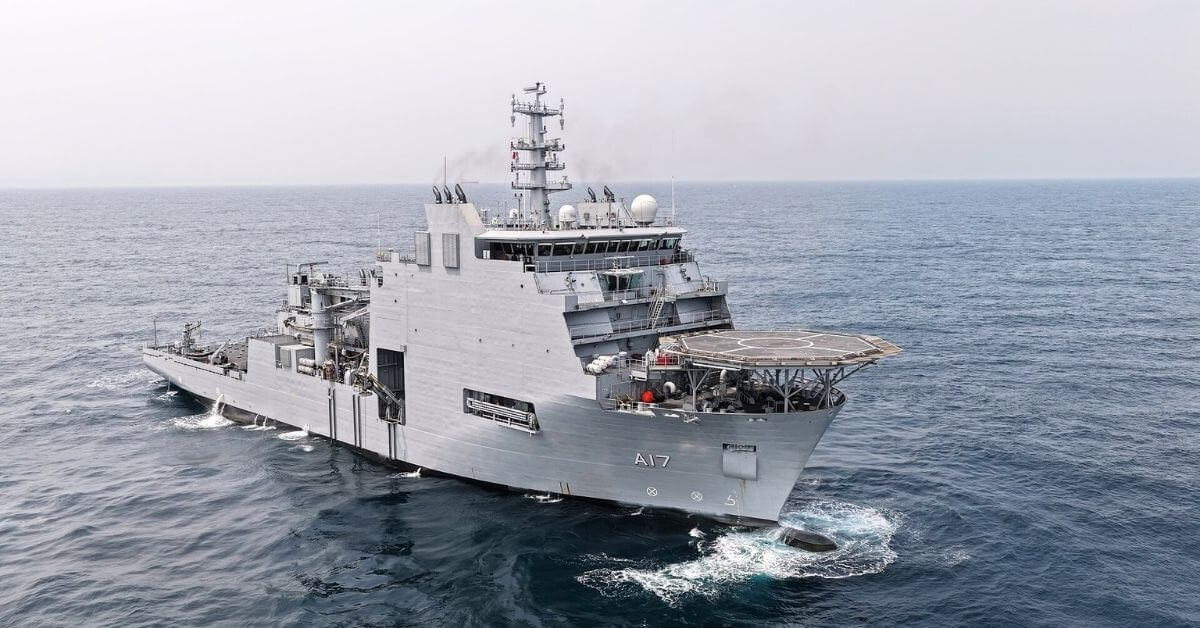
Indigenous Vessel Nipun Bolsters Indian Navy’s Underwater Capabilities
India has added a distinctly indigenous asset to its naval fleet with the Nipun, a vessel designed and built by Hindustan Shipyard Limited in Visakhapatnam. This launch strengthens underwater capabilities with a clear signal: self-reliance is no longer an ambition but a working principle. For those tracking how India's maritime posture evolves, the Nipun sits alongside the navy's projected 230-ship fleet by 2045, a trajectory detailed in our related coverage, "India Projects Expanded Naval Fleet to Navigate Evolving Maritime Landscape.

Autonomous Vehicle Launches Payload Underwater, Marking a Technological Advance.
A submerged payload launch is a hard problem, and Raytheon and Composite Energy Technologies just demonstrated it with the HADALUS unmanned undersea vehicle. The test proves that autonomous platforms can handle complex, high-stakes operations below the surface without direct human control. That is a meaningful step for undersea warfare, where reliability is everything. For readers tracking broader progress, our coverage of the Navy's new integration center for autonomous systems offers useful context on where this technology is headed.