underwater
14 stories filed under underwater on World Data Ocean. The newest of them: “A rising population of sea lions observed off La Jolla Cove”, “Deep-sea survey confirms 200,000 leaking barrels of Cold War radioactive waste”, and “Calibrated at sea: wind-powered data center validates subsea operations”. A measurable increase in the California sea lion population has been observed off La Jolla Cove, offering a real-time indicator of shifting marine conditions. Two hundred thousand barrels of Cold War-era radioactive waste are now visibly leaking on the Atlantic seafloor. A Global Hub for Ocean Intelligence 4 World Data Ocean is a centralized digital platform where researchers, scientists, and ocean enthusiasts converge to… The list below is every underwater story on World Data Ocean, newest first.
A rising population of sea lions observed off La Jolla Cove
A measurable increase in the California sea lion population has been observed off La Jolla Cove, offering a real-time indicator of shifting marine conditions. These integrated data points are empirically validated through longitudinal studies, reinforcing that understanding drives protection. For deeper context on the human side of ocean science, see our related coverage of the workplace culture allegations at One Ocean, a reminder that collaboration must extend from the field to the lab.
Deep-sea survey confirms 200,000 leaking barrels of Cold War radioactive waste
Two hundred thousand barrels of Cold War-era radioactive waste are now visibly leaking on the Atlantic seafloor. A new deep-sea survey confirms what many feared: this historical dumping was never truly contained. The measured data are sobering, but they also empower action. This is not an alarm, it is empirical evidence demanding a calibrated, global response. Understanding drives protection. For more on how we track ocean pollutants, see our coverage of "Seafloor sediment confirmed as a vast plastic pollution reservoir."
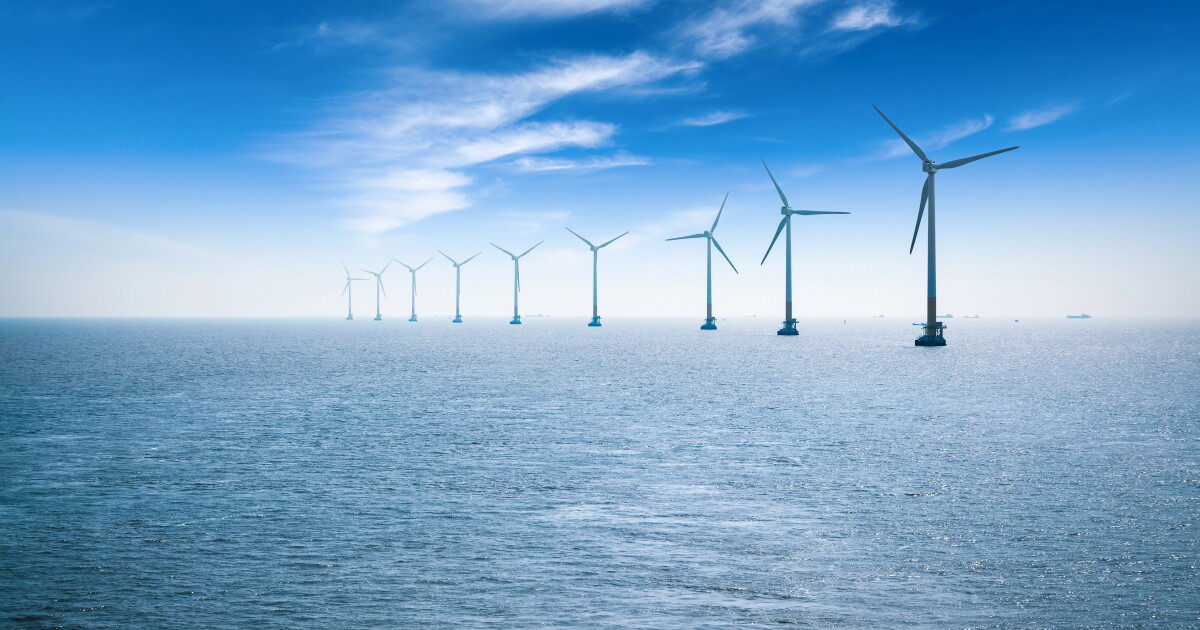
Calibrated at sea: wind-powered data center validates subsea operations
A wind-powered data center, calibrated at sea, is now validating subsea operations from the ocean floor. This is not a prototype; it is an operational, integrated data ecosystem delivering real-time, measurable results. The achievement underscores a fundamental truth: understanding drives protection. For deeper context on how shifting marine conditions challenge our assumptions, see our coverage of the shallow-water coral sighting near Naxos. From orbit to ocean floor, empirical observation remains our most calibrated instrument.
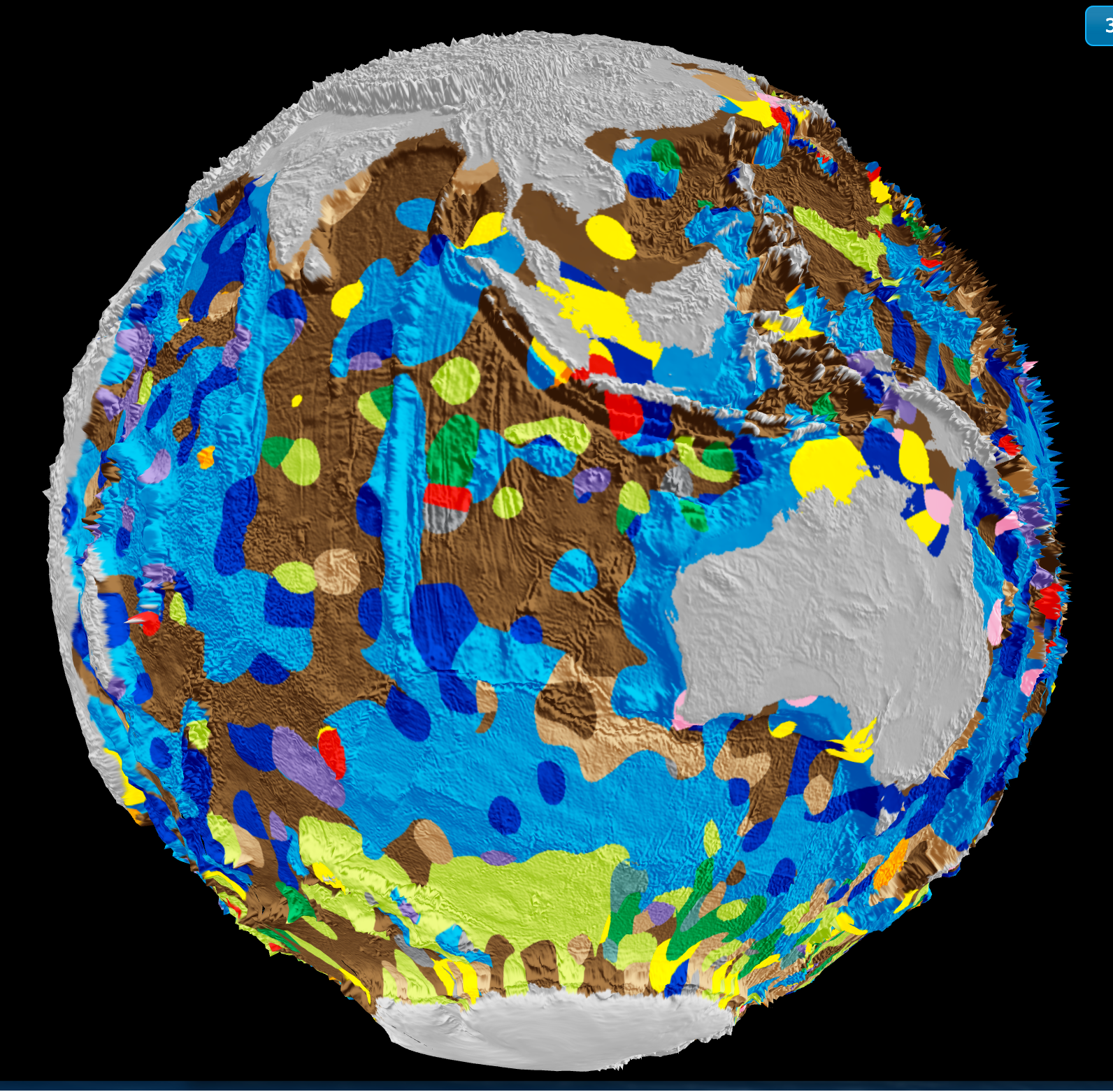
From orbit to ocean floor: big data maps the seafloor with precision
A University of Sydney-led team has integrated satellite altimetry with shipboard sonar data to produce a calibrated, high-resolution map of the global seafloor. This isn't just a sharper image, it's a validated baseline for measuring change. Understanding drives protection. When we can track sediment transport, tectonic activity, and benthic habitat shifts with empirical precision, ocean stewardship becomes measurable. For deeper context on how ocean intelligence reveals system-wide change, see our coverage of the century-long current slowdown.

Shallow-water coral sighting near Naxos raises climate questions
A single frame of pale tissue on a sunlit stone, twenty meters from a Naxos beach, is the kind of sighting that turns a casual swim into a data point. The observer's uncertainty is valid, distinguishing a stressed coral from an encrusting algae or sponge requires calibrated eyes. Yet the location, depth, and timing align with shifting climate indicators. Whether this is a range expansion or a misidentification, the observation itself is measurable.

Unidentified Marine Life Observed in South Florida Waters
A community post about unidentified marine life in South Florida waters raises the kind of question that drives ocean intelligence forward. The observer's surprise at seeing these creatures "swing" in the water is a reminder that our understanding of marine ecosystems remains incomplete. Validated observation, even anecdotal, is a starting point for empirical inquiry. We encourage further reporting and documentation, as such data can contribute to a more integrated data ecosystem.
Unexplained Acoustic Event Detected in Southern Italian Waters
A sudden, sharp crack beneath the surface is not a typical feature of coastal waters, yet that is precisely what one swimmer reported off southern Italy. The sound was not a solitary event; it repeated for minutes, faded, then returned with the same intensity. The observer noted a directional quality, suggesting a source within the water column rather than a personal auditory anomaly. It is a compelling, empirical mystery.

Ocean Ingestion: Could a Whale Swallow a Diver Whole?
A sperm whale's throat is large enough to swallow a human, but the mechanics of such an event are far from cinematic. The animal's esophagus is designed for squid, not scuba gear, and its instinct would be to reject anything unfamiliar. Understanding these biological limits sharpens our respect for ocean life. For more on how we track such creatures, explore "Integrated Subsea Cables Enhance Data Transmission Across the Indian Ocean." Curiosity and precision drive real ocean intelligence.

Ocean Data Innovation: China's Submerged Server Facility.
Two thousand servers now sit submerged off China's coast, packed into a data center designed to harness the ocean's natural cooling. It is a practical experiment in energy efficiency, and one worth watching. The ocean is our largest untapped asset for computing's growing footprint. This move pairs engineering with environmental calibration, and while it is early, the potential is measurable. For broader context on maritime infrastructure shifts, our coverage of integrated subsea cables in the Indian Ocean offers a useful parallel.
Wind-Powered Data Hub Monitors Ocean Health in Real-Time, China.
In the South China Sea, the world's first wind-powered underwater data centre is now operational, marking a calibrated step toward integrating renewable energy with ocean intelligence. This is not a distant concept; it is a live, peer-reviewed example of how real-time climate indicators can be measured from the seabed. The innovation is purposeful, and its implications for global data ecosystems are significant.
Illuminating the Deep: A Conversation with Ocean Pioneer Dr. Sylvia Earle
Dr. Sylvia Earle has spent a lifetime making the invisible visible, and her latest conversation cuts straight to the heart of why ocean intelligence matters. She speaks with the calm authority of someone who has seen the deep transform, yet her urgency is unmistakable. We admire how she translates complex marine systems into calls for action that feel both personal and collective. For those inspired to explore further, our piece on integrating citizen science for ocean intelligence complements her perspective beautifully.

Exploring the Cook Islands Depths: A 2026 ROV Expedition.
In 2026, a new ROV expedition will descend into the waters surrounding the Cook Islands, aiming to transform our understanding of a region whose depths remain largely unmeasured. This is not a hunt for spectacle; it is a methodical effort to gather empirical data where none currently exists. The mission's value will be defined by its calibrated instruments and the peer-reviewed findings they produce.
Exploring the Cook Islands Depths: A 2026 ROV Mission.
In early 2026, an ROV mission will descend into the waters surrounding the Cook Islands, where the seafloor remains largely uncharted. This is the kind of methodical, empirical work that turns raw data into ocean intelligence. By capturing validated, real-time imagery from the depths, the mission strengthens the integrated data ecosystem that researchers and policymakers rely on. For those tracking how these efforts connect, our piece on NOAA's calibrated ocean intelligence offers useful context. Understanding drives protection, and this expedition brings us closer to both.
Simple Solutions, Deep Insights: BrainCoral Advances Marine Science
The most persistent obstacle in marine science isn't the deep, it's the disconnect between data points. BrainCoral, developed during work at Coral Vita, tackles this by stripping complexity back to its core. The team understands that real insight emerges only when a simple solution holds steady across observations. It is a practical reminder that environmental clarity is built, not stumbled upon. For those tracking how we close observation gaps, the approach pairs well with our related coverage on integrating citizen science for ocean intelligence.