tugboats
World Data Ocean keeps tugboats in one place: 11 stories so far. The section currently leads with “Gulf of Oman STS Transfers Max Out Amid Rising Saudi Oil Exports”, “Cargo Ship Fire Prompts Evacuation Near Mykonos; Incident Under Investigation”, and “Blackout-Hit Car Carrier Experiences Temperature Increase in Panamanian Waters”. Ship-to-ship transfers in the Gulf of Oman have reached maximum capacity, with traders and analysts pointing to surging Saudi crude exports as the driving force. A fire aboard a Greek-flagged cargo ship north of Mykonos on September 25 forced all 29 crew members to evacuate, a stark reminder that maritime emergencies remain an ever-present test of preparedness. A Global Hub for Ocean Intelligence 4 World Data Ocean is a centralized digital platform where researchers, scientists, and ocean enthusiasts converge to… The list below is every tugboats story on World Data Ocean, newest first.
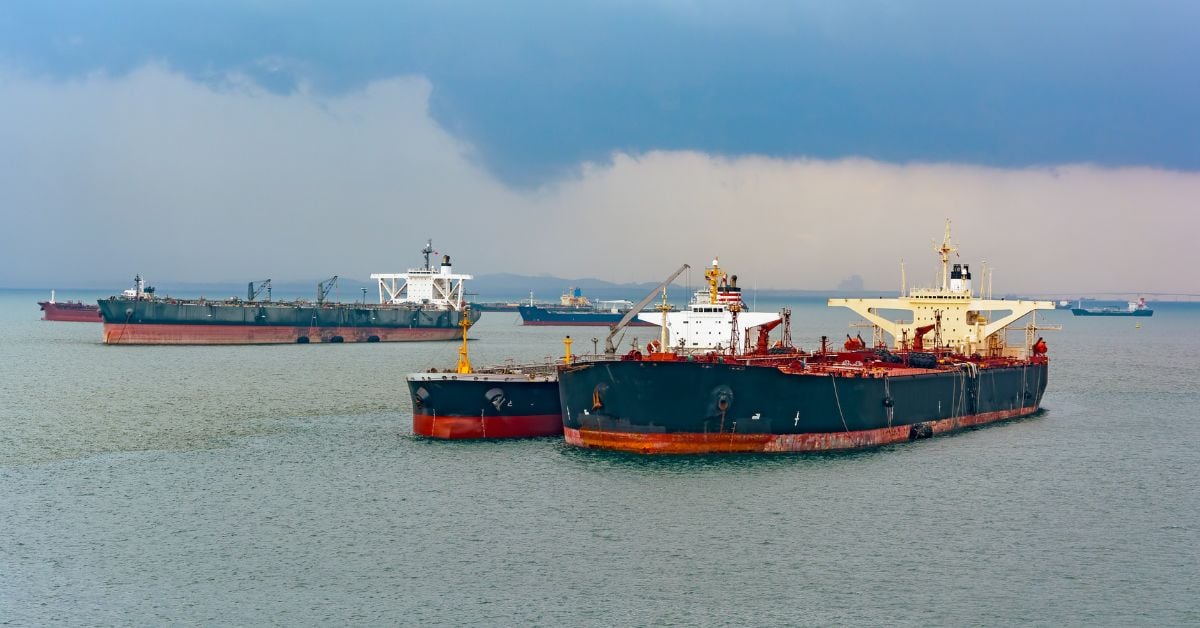
Gulf of Oman STS Transfers Max Out Amid Rising Saudi Oil Exports
Ship-to-ship transfers in the Gulf of Oman have reached maximum capacity, with traders and analysts pointing to surging Saudi crude exports as the driving force. This operational ceiling underscores how swiftly regional logistics can tighten when cargo volumes climb. The strain is a measurable signal of shifting energy flows, one that demands calibrated attention from those tracking maritime trade. For context on broader infrastructure pressures, our piece on integrated subsea systems in the Indian Ocean offers a useful parallel.
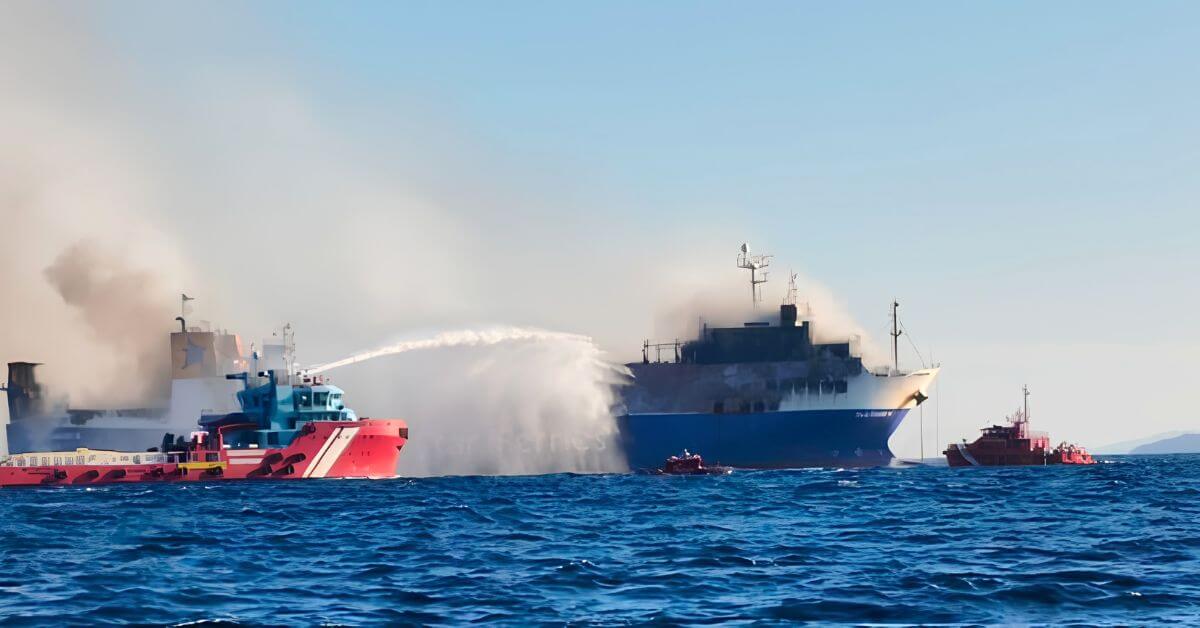
Cargo Ship Fire Prompts Evacuation Near Mykonos; Incident Under Investigation
A fire aboard a Greek-flagged cargo ship north of Mykonos on September 25 forced all 29 crew members to evacuate, a stark reminder that maritime emergencies remain an ever-present test of preparedness. The incident, now under investigation, underscores how quickly operational stability can shift to crisis. For those tracking such risks, the recent *Fatal Attack on Cargo Ship Highlights Black Sea Shipping Risks* offers a sobering parallel.

Blackout-Hit Car Carrier Experiences Temperature Increase in Panamanian Waters
A crewless, blacked-out car carrier is drifting in Panamanian waters with a rising internal temperature, a scenario that demands precise, coordinated intervention. When a vessel loses all electrical power, every minute without restoration introduces new variables. This is not a time for alarm, but for calibrated response. For related analysis on maritime risk, see our coverage of the cargo ship fire near Mykonos. Understanding drives protection, especially when no crew remains aboard.
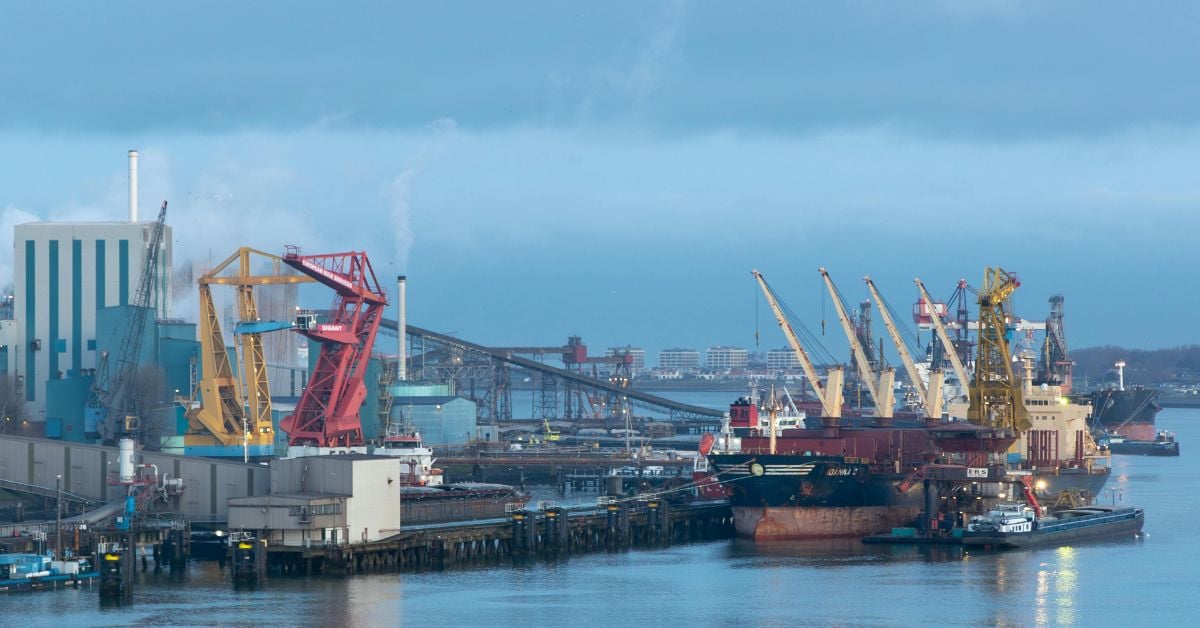
Data Integration: Mitigating Billions in Port Operational Losses.
A single port operating as a collection of silos, with container, bulk, breakbulk, and RORO terminals refusing to share information, is a blueprint for operational chaos. The resulting delays are not just inconvenient; they represent a measurable drain of billions in potential value. This fragmentation is a direct threat to the efficiency we should be engineering for. For a deeper look at how systemic pressure points manifest, our coverage of "Gate Delays Expose Critical Link in National Trade Flow" offers a relevant parallel.

Loss of Steering Preceded Container Ship Grounding in India
A loss of steering preceded the grounding of a container ship in India, with a local official noting that steering gear can occasionally jam when a vessel attempts to recover from a turn. The incident underscores how mechanical precision remains critical in confined waters, where recovery margins are slim. Reliable steering is not a given; it is a safety prerequisite. For broader context on maritime risks, our related coverage on the Gulf of Oman STS transfers offers useful perspective on regional operational pressures.

SAIPEM 7000 Transit Highlights Maritime Traffic and Ocean Operations.
The SAIPEM 7000, the world's third-largest crane ship, recently transited the Dardanelles Strait, a maneuver that underscores the constant, calibrated movement underpinning global maritime operations. This heavy-lift and pipelay vessel represents the integrated infrastructure that keeps energy supply chains moving. For readers tracking these dynamics, our coverage of "Gulf of Oman STS Transfers Max Out Amid Rising Saudi Oil Exports" offers a complementary view of how vessels adapt to shifting demand. Understanding these operational rhythms is key to measuring real-world climate and trade indicators.

Bulk Carrier Grounds in Dardanelles Strait Following Engine Failure
A 190-metre bulk carrier ran aground in the Dardanelles Strait after an engine failure, halting its passage from Syria to Russia at the Nara turn. Mechanical casualties in this narrow waterway test both crew response and navigational precision. The San Marino-flagged vessel's grounding underscores how quickly transit disrupts in a region already dense with maritime activity. We track these incidents because each one adds to the operational picture. For broader context on regional pressures, see our coverage of strikes targeting vessels in the Black Sea.

Salvage Successful: Grounded Vessel Onego Otra Freed from St. Lawrence.
After nearly four weeks aground in the St. Lawrence River, the general cargo ship Onego Otra has been successfully refloated and towed to port for inspection. The operation closes a tense chapter with the kind of measured, coordinated response that defines effective maritime recovery. The vessel's freedom is a practical win for navigation safety, though full clearance will depend on what inspectors find. For readers tracking similar challenges, our coverage of the bulk carrier freed near Gladstone, Australia, offers useful comparison.

Drone Attacks Significantly Reduce Ferry Capacity Through Kerch Strait
Ukrainian drone strikes have reduced Russia's Kerch Strait ferry fleet capacity by 75 percent, a measurable blow to Moscow's logistical reach. The numbers are stark, and they signal a targeted erosion of strategic supply lines, not random disruption. This is the kind of calibrated impact that reshapes operational realities. For context on how Russia is adapting its maritime posture elsewhere, our piece on Russian Maritime Activity Raises Concerns of Drone Operations in Mediterranean offers a useful counterpoint to these Black Sea losses.

Ukrainian Drones Target Vessels in Black Sea, Disrupting Shadow Fleet Operations
The confirmed strikes on five oil tankers, one gas tanker, three dry cargo vessels, and two tugboats mark a precise escalation in disrupting shadow fleet operations. USF Commander Brovdi's report clarifies the scale of this action, and the measured impact here is notable. This is not chaos; it is calibrated pressure. For context on the broader shift toward maritime autonomy, our piece on the Navy's accelerated systems integration offers a useful parallel. These developments signal a hardening of tactics across the region's waters.

Asia Sees Seven-Year Low in Ship Robberies During First Half of 2026
Armed robbery against ships in Asian waters fell to its lowest level in seven years during the first half of 2026, a measurable sign of progress in maritime security. The decline validates sustained patrols and regional coordination, though it is no cause for complacency. Fewer incidents mean safer sea lanes, but the trend must hold across a full year to carry real weight. For broader context on regional naval strategy, our coverage of India's expanded fleet projections offers a useful counterpoint.