Treasury Department
3 stories filed under Treasury Department on World Data Ocean. The newest of them: “Tracking the Shadow Fleet: Sanctions Map 22 Vessels Tied to Iran's Oil Network”, “Bitcoin Payments and Shipping Tolls: U.S. Sanctions Iranian Entity.”, and “Maritime Operations Linked to Drug Trafficking in Eastern Pacific”. Twenty-two ageing tankers, the core of Iran's remaining shadow fleet, are now mapped and sanctioned. U.S. A Global Hub for Ocean Intelligence 4 World Data Ocean is a centralized digital platform where researchers, scientists, and ocean enthusiasts converge to… The list below is every Treasury Department story on World Data Ocean, newest first.
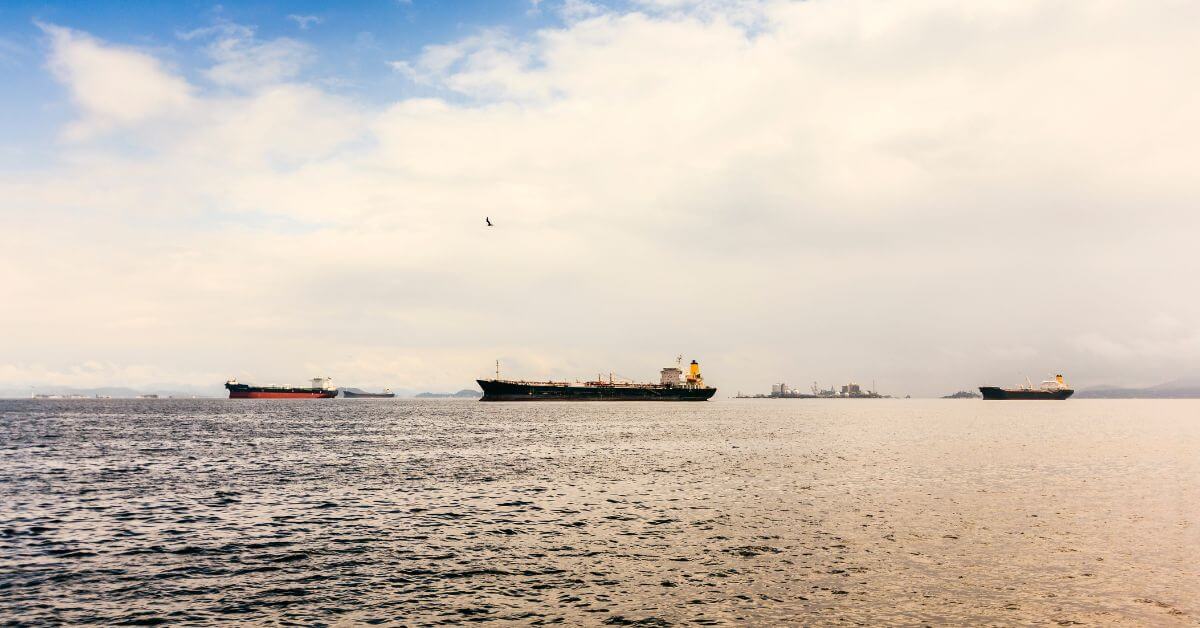
Tracking the Shadow Fleet: Sanctions Map 22 Vessels Tied to Iran's Oil Network
Twenty-two ageing tankers, the core of Iran's remaining shadow fleet, are now mapped and sanctioned. This network moves oil and petroleum products to foreign buyers, circumventing existing restrictions. Tracking these vessels is not academic, it is a measurable step toward enforcing accountability. The recent spike in tanker strikes near the Strait of Hormuz, detailed in our weekly analysis, underscores the escalating risk in these waters. Understanding the fleet's movements is essential for maintaining maritime security.
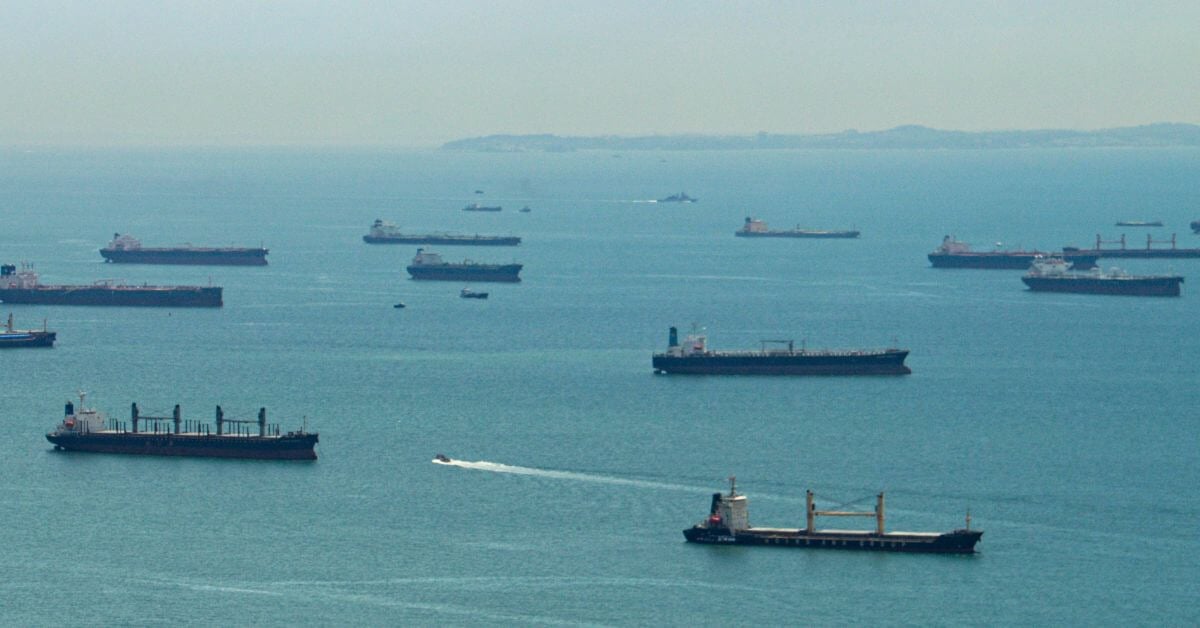
Bitcoin Payments and Shipping Tolls: U.S. Sanctions Iranian Entity.
U.S. sanctions have landed on an Iranian entity tied to Bitcoin payments and shipping tolls, part of a network that financier Babak Zanjani used to move hundreds of millions of dollars in Bitcoin to the IRGC. The designation underscores how digital assets have become a practical tool for state-aligned actors, not just a theoretical one. Measured enforcement matters here. For broader context on regional pressures, our piece on Gulf of Oman STS Transfers Max Out Amid Rising Saudi Oil Exports offers useful grounding.

Maritime Operations Linked to Drug Trafficking in Eastern Pacific
The transfer of cocaine from ocean-going vessels to go-fast boats is a deliberate tactic, one that exploits the vastness of the Eastern Pacific. This handoff is a critical pressure point in the maritime domain, where tracking requires both vigilance and international coordination. We see this not as a simple smuggling route, but as a direct challenge to the integrity of our shared ocean space. Such operations underscore the need for persistent, data-driven surveillance.