transponders
8 stories filed under transponders on World Data Ocean. The newest of them: “Projectiles strike crude and LNG tankers in the Strait of Hormuz”, “Naval Escort Ensures Oil Transit Through Strait of Hormuz.”, and “Shipping Traffic in Strait of Hormuz Declines Amid Geopolitical Tensions”. Three vessels, a crude oil tanker, an LNG tanker, and another ship, were struck by projectiles in the Strait of Hormuz, UKMTO reports. On Tuesday, 40 tankers carrying roughly 18 million barrels of crude moved through the Strait of Hormuz under U.S. A Global Hub for Ocean Intelligence 4 World Data Ocean is a centralized digital platform where researchers, scientists, and ocean enthusiasts converge to… The list below is every transponders story on World Data Ocean, newest first.
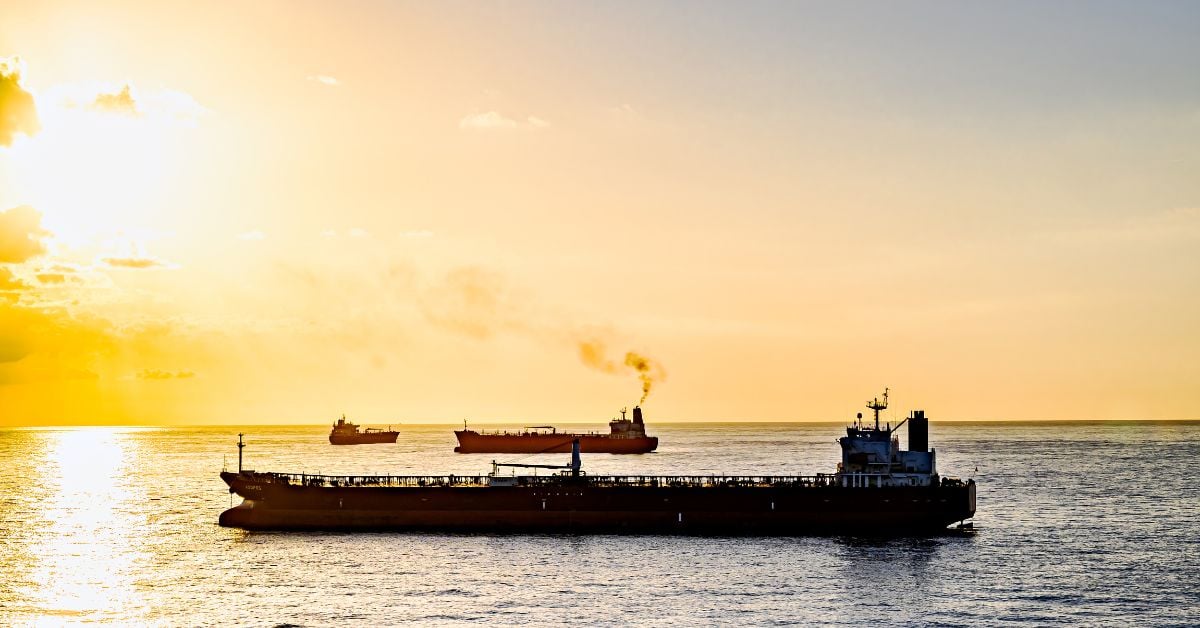
Projectiles strike crude and LNG tankers in the Strait of Hormuz
Three vessels, a crude oil tanker, an LNG tanker, and another ship, were struck by projectiles in the Strait of Hormuz, UKMTO reports. This is not a random escalation. It is a calibrated disruption to one of the world's most measured energy corridors. For those tracking ocean intelligence, the pattern is clear: these strikes test supply chains already under pressure. Our coverage of how Indian refiners are chartering tankers through Hormuz connects directly to this story's implications.
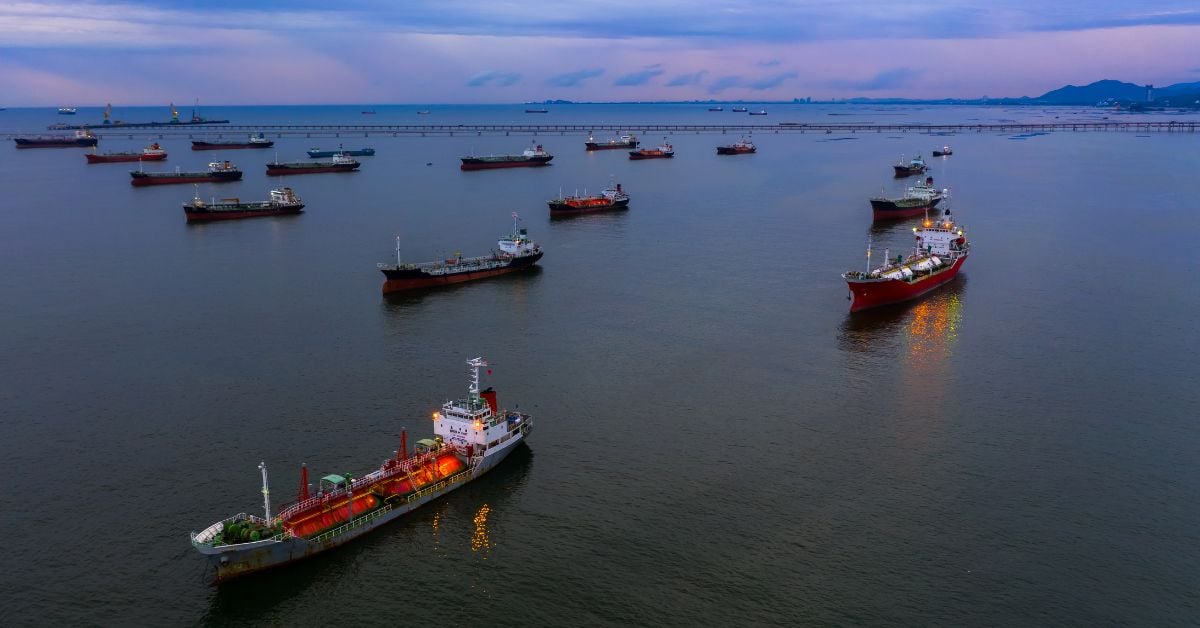
Naval Escort Ensures Oil Transit Through Strait of Hormuz.
On Tuesday, 40 tankers carrying roughly 18 million barrels of crude moved through the Strait of Hormuz under U.S. Navy escort, a measured show of force that underscores how vital this corridor remains to global energy stability. The transit proceeded without incident, but the escort is a reminder that maritime security is not automatic. For those tracking the region's shifting dynamics, our coverage of phased negotiations to ease restrictions on the Strait offers useful context. Reliable passage here is not just strategic; it is foundational.

Shipping Traffic in Strait of Hormuz Declines Amid Geopolitical Tensions
Tracking shipping through the Strait of Hormuz has become a sharper exercise in reading the gaps. Recent data shows a decline in transiting vessels, but the figures carry a caveat: some ships have switched off their transponders while crossing this critical waterway. That means the true volume is likely higher than reported, a reminder that geopolitical tension distorts even our most reliable metrics.

Strait of Hormuz Traffic Plummets Amidst Escalating Tensions and Attacks
The Strait of Hormuz is tightening under pressure. Ship traffic has plummeted after attacks on five commodity tankers, a stark reminder that instability directly chokes global energy lifelines. While U.S.-Iran negotiations for a peace agreement remain stalled, the cost of inaction is measurable in real-time data. The parallel rise of Gulf of Oman STS transfers, covered in our related piece on maxed-out ship-to-ship operations, underscores how trade adapts, but never without risk.

Navigating Geopolitics: ADNOC Facilitates Iraqi Oil Transit Through Hormuz.
Amid heightened Strait of Hormuz tensions, ADNOC has distinguished itself as one of the Gulf's most effective producers at moving crude through the critical chokepoint. Its operational discipline underscores how logistical reliability becomes a geopolitical asset. The company's facilitation of Iraqi oil transit reflects a measured, collaborative approach to regional energy flows. For context on how nearby routes are straining, our piece on Gulf of Oman STS transfers shows capacity limits rising. This is pragmatic leadership, not posturing.

Shipping Route Shift: Supertanker Alters Course Amid Red Sea Tensions
A supertanker bound for Yanbu turned back before reaching the Bab el-Mandeb Strait, a quiet but telling correction in a crowded maritime corridor. The move reflects how swiftly risk reshapes routing decisions, even for cargoes already committed. We read this as a practical response to tension, not alarm. For broader context on regional pressure points, our coverage of Gulf of Oman STS Transfers Max Out Amid Rising Saudi Oil Exports offers a useful parallel. The ocean rewards adaptability; this diversion proves the point.

Escalation in Jordan, Strait of Hormuz Closure Threatens Global Shipping.
Two US troops killed, one missing, and the Strait of Hormuz transits down to eight vessels a day: the escalation in Jordan signals a sharp turn in an already volatile maritime corridor. These are not abstract metrics. They are calibrated warnings of how quickly regional conflict rewrites global shipping routes. The pressure on tanker movement is measurable, and it demands attention. For deeper context on how such constraints reshape oil flows, our piece on Gulf of Oman STS transfers offers a relevant thread.

Shipping Traffic Declines in Strait of Hormuz Amid Rising Tensions.
Ship traffic through the Strait of Hormuz fell to multi-week lows on Sunday, a measurable shift for one of the world's most vital energy chokepoints. The decline reflects rising tensions in the region, and the numbers warrant close attention. This is not speculation; it is calibrated observation. For broader context on how regional dynamics are shifting, our coverage of phased negotiations, including "Phased Negotiations Aim to Ease Restrictions on Strait of Hormuz," offers a constructive counterpoint.