Terminal Operating System (TOS)
World Data Ocean keeps Terminal Operating System (TOS) in one place: 2 stories so far. The section currently leads with “Real-Time Visibility: Optimizing Terminal Operations with Modern TOS Systems” and “AI Modernizes Port Logistics, Eliminating Bottlenecks and Optimizing Operations”. A terminal's true competitive edge lies in its ability to see clearly. Legacy terminal operating systems were never built for the scale of modern shipping, and the result is predictable: berths sit idle while trucks queue at the gate. A Global Hub for Ocean Intelligence 4 World Data Ocean is a centralized digital platform where researchers, scientists, and ocean enthusiasts converge to… The list below is every Terminal Operating System (TOS) story on World Data Ocean, newest first.
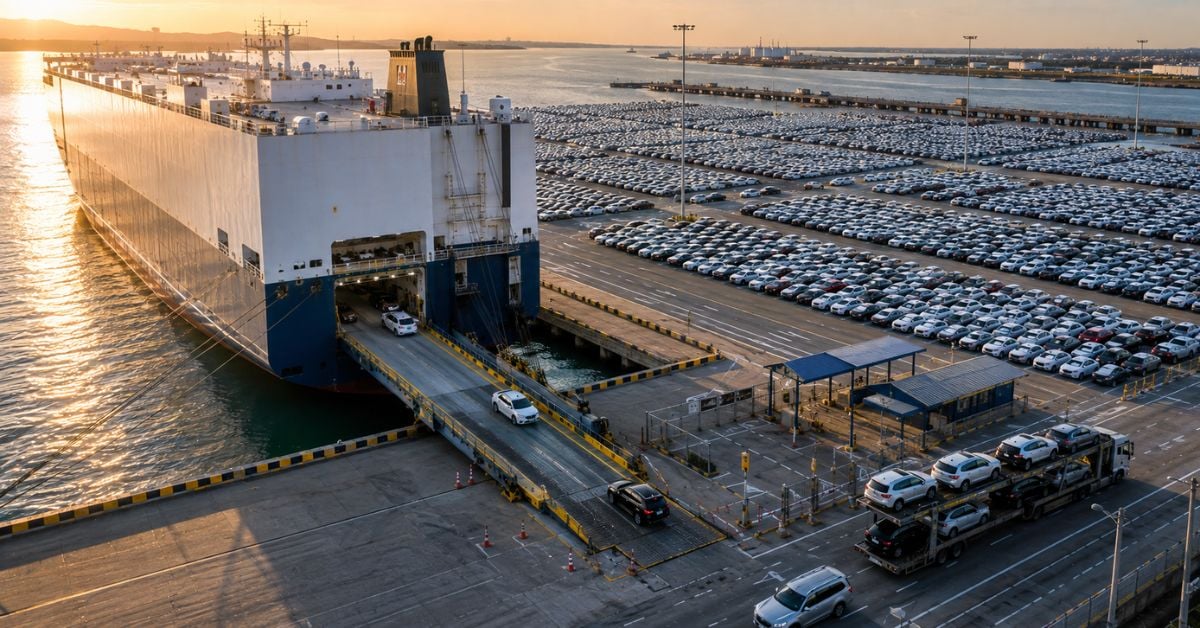
Real-Time Visibility: Optimizing Terminal Operations with Modern TOS Systems
A terminal's true competitive edge lies in its ability to see clearly. Modern Terminal Operating Systems integrate machinery, workflows, and departments into a single, calibrated view, delivering real-time visibility into both current activity and what must happen next. This isn't about flashy dashboards; it's about measurable, operational intelligence. For those exploring how data ecosystems drive efficiency, our coverage of integrated subsea cables shows a similar principle at scale. Understanding the flow of information is the first step to mastering it.
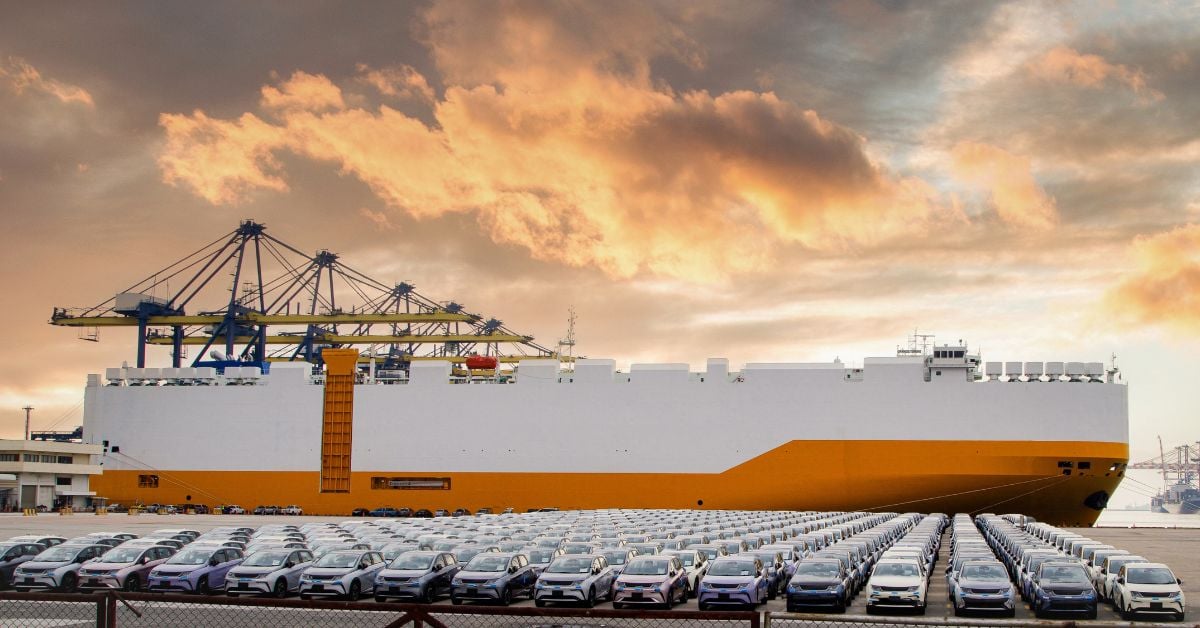
AI Modernizes Port Logistics, Eliminating Bottlenecks and Optimizing Operations
Legacy terminal operating systems were never built for the scale of modern shipping, and the result is predictable: berths sit idle while trucks queue at the gate. AI-driven TOS changes that equation by automating berth planning and smoothing cargo flow in real time. The efficiency gains are measurable, not theoretical. For those tracking how machine intelligence reshapes logistics, our coverage of integrated crane and truck coordination offers a deeper look at the same operational challenge. Precision here is not optional; it is the point.