tensions
World Data Ocean keeps tensions in one place: 5 stories so far. The section currently leads with “Strait of Hormuz Posture Raises Stakes for Maritime Data Verification”, “Tanker Diverts Amid Iranian Warship Warning in Strait of Hormuz”, and “Regional Conflict Impacts Key Oil Shipping Routes in the Red Sea”. A commander of Iran's Islamic Revolutionary Guard Corps has publicly dared U.S. The HAANA's diversion in the Strait of Hormuz, after a large Iranian warship issued a warning, underscores how fragile this waterway has become. A Global Hub for Ocean Intelligence 4 World Data Ocean is a centralized digital platform where researchers, scientists, and ocean enthusiasts converge to… The list below is every tensions story on World Data Ocean, newest first.
Strait of Hormuz Posture Raises Stakes for Maritime Data Verification
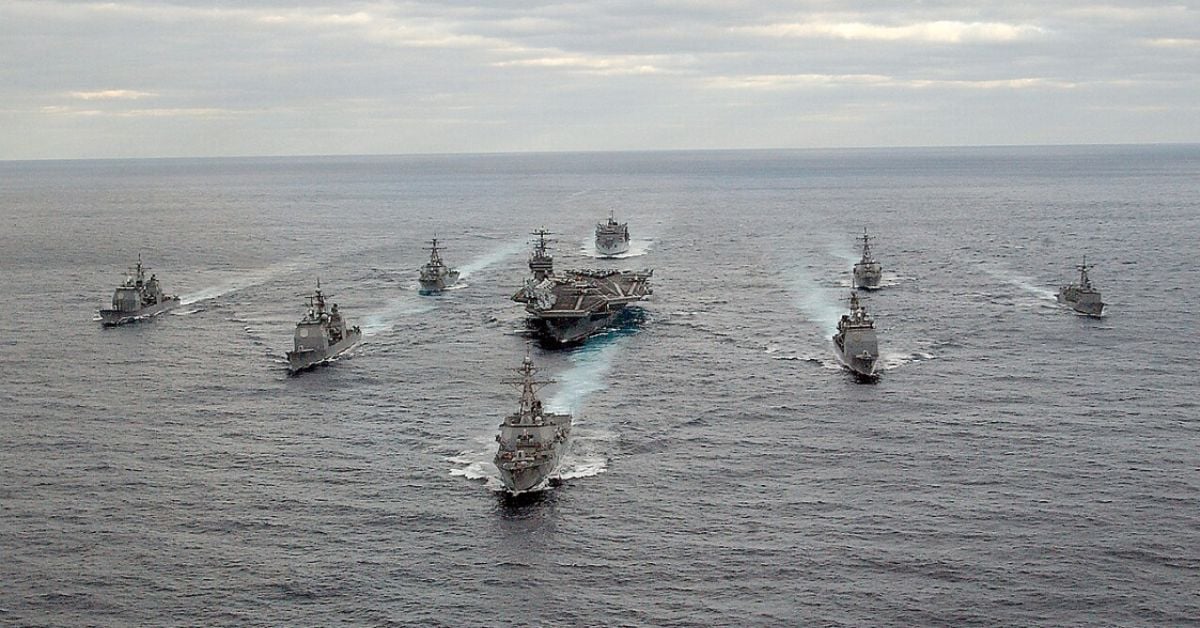
A commander of Iran's Islamic Revolutionary Guard Corps has publicly dared U.S. warships to enter the Strait of Hormuz, raising the stakes for maritime data verification in a waterway that carries a fifth of the world's oil. This is not posturing; it is a direct challenge to the empirical, real-time ocean intelligence that underpins safe passage. For deeper context on how navies are adapting, see our coverage of the counter-drone electronic warfare system now protecting USS Ohio.
Tanker Diverts Amid Iranian Warship Warning in Strait of Hormuz
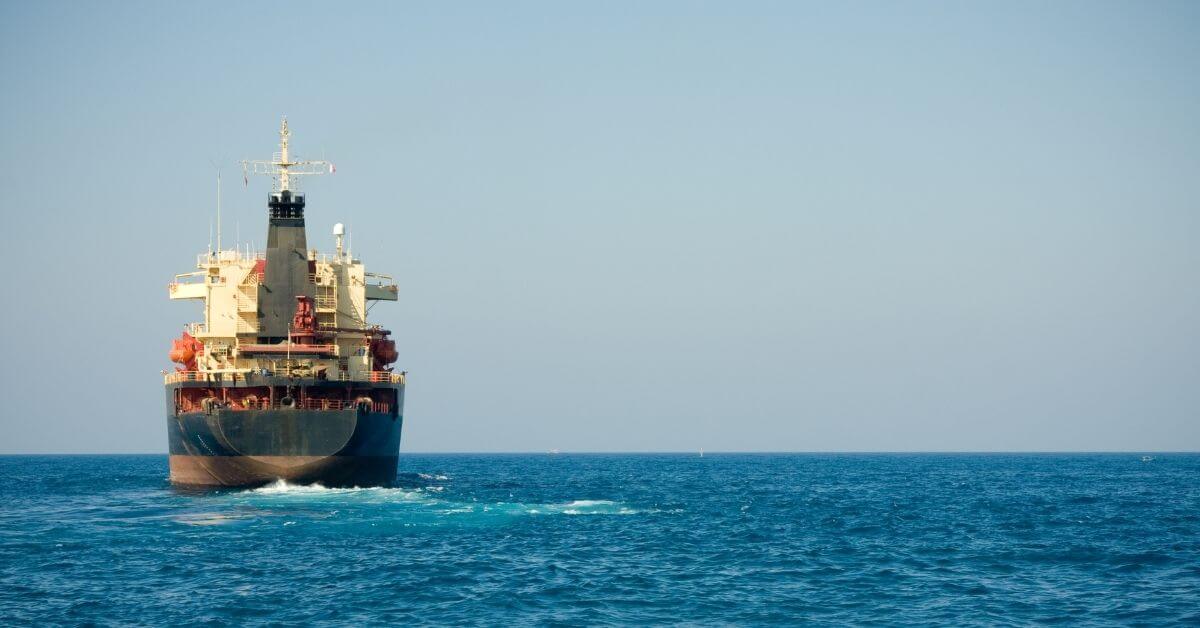
The HAANA's diversion in the Strait of Hormuz, after a large Iranian warship issued a warning, underscores how fragile this waterway has become. The vessel's pivot to the southern "Oman corridor" is a measured response to a volatile moment, yet it speaks to a broader tension that shippers cannot ignore. We see this as a reminder that maritime routes demand constant recalibration.

Regional Conflict Impacts Key Oil Shipping Routes in the Red Sea
The Red Sea's role as a critical artery for global oil movement is under direct threat, with Houthi military spokesperson Yahya Saree confirming strikes in response to Saudi drone incursions into Yemeni airspace. This escalation injects fresh volatility into an already strained shipping corridor. The region's fragility demands calibrated attention, not alarm. For context on how these pressures ripple outward, our piece on Gulf of Oman STS Transfers Max Out Amid Rising Saudi Oil Exports illustrates the strain on adjacent routes.

Strait of Hormuz Incident Highlights Navigation Risks and Geopolitical Tensions
The Islamic Revolutionary Guard Corps' warning is blunt: vessels heeding American influence and charting unsafe routes will face accidents. The Strait of Hormuz remains a flashpoint where navigation risk and geopolitical posturing converge. This is not hyperbole; it is a calibrated assertion of control over a critical maritime artery. For shippers, the calculus is stark. While diplomatic efforts like the phased negotiations may offer a path forward, the immediate reality demands vigilance. Understanding drives protection, and here, the data must guide every transit decision.

India-Bound Shipping Traffic Highlights Iran's Strait of Hormuz Influence
Twenty percent of outbound Persian Gulf transit requests now name Indian ports, trailing only China's 21 percent. That concentration is a measurable signal of how deeply subcontinental demand shapes Gulf shipping lanes. It also underscores the strategic weight of the Strait of Hormuz as a chokepoint for India-bound energy and goods. For readers tracking maritime shifts, this complements our look at Goa's new seafarer welfare hub, a practical investment in the human side of these same routes.