temperature anomalies
6 stories filed under temperature anomalies on World Data Ocean. The newest of them: “The warmest decade on record confirms measurable climate indicators”, “2025 joins the warmest years on record as ocean heat persists without pause”, and “2025 Temperature Anomalies Reveal a Measurable Climate Signal”. The warmest decade on record confirms what calibrated, empirical data has been signaling: climate indicators are no longer projections, they are measurable realities. 2025 has been confirmed as one of the three warmest years on record, a stark validation of a persistent trend. A Global Hub for Ocean Intelligence 4 World Data Ocean is a centralized digital platform where researchers, scientists, and ocean enthusiasts converge to… The list below is every temperature anomalies story on World Data Ocean, newest first.
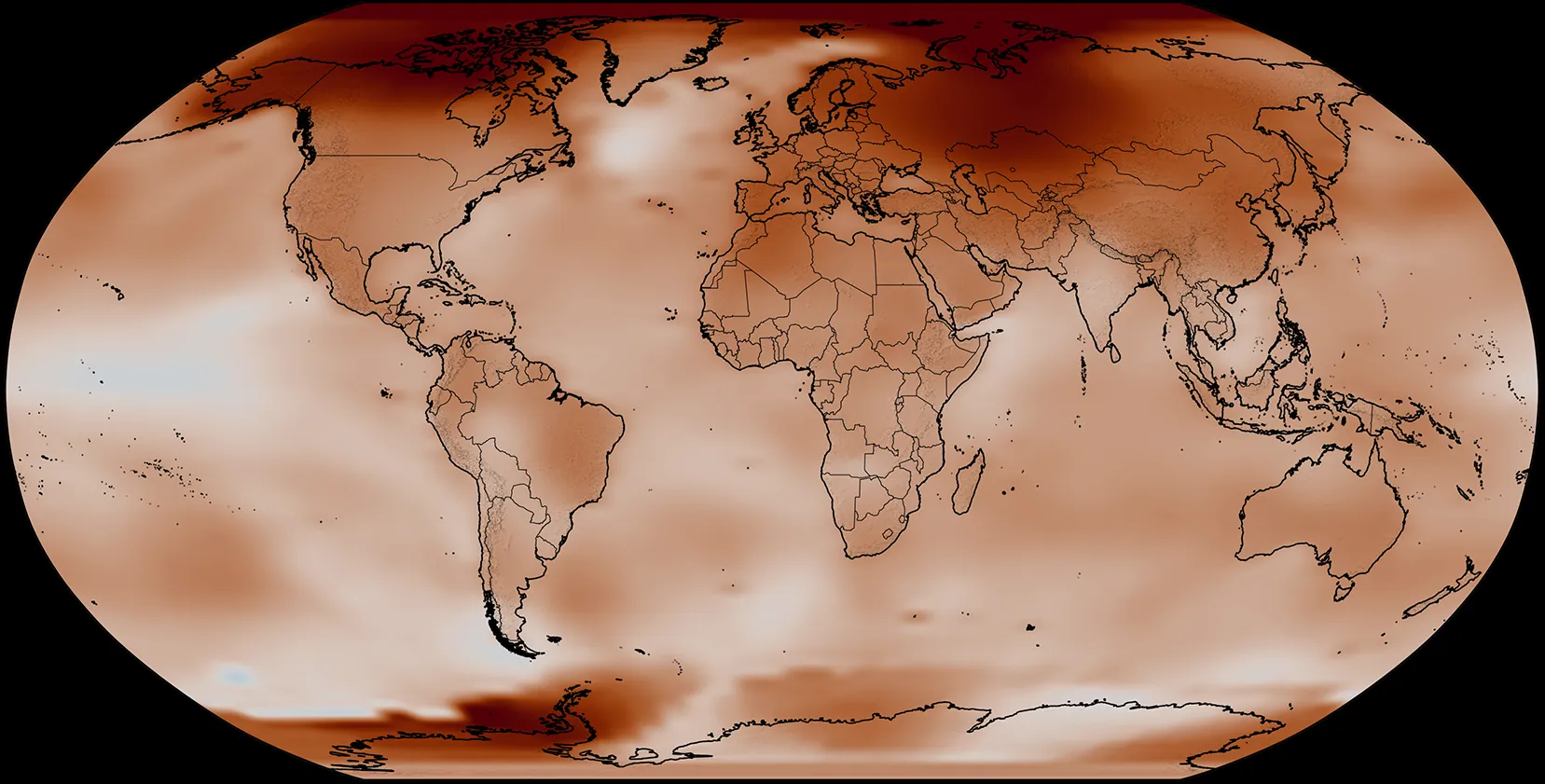
The warmest decade on record confirms measurable climate indicators
The warmest decade on record confirms what calibrated, empirical data has been signaling: climate indicators are no longer projections, they are measurable realities. The 10 most recent years stand as the warmest ever logged. This is not alarmism, it is validated observation. For deeper context on how these shifts manifest regionally, our related coverage of "Long-term chlorophyll records reveal abrupt baseline shifts in Kuwait Bay" illustrates the kind of integrated ocean intelligence needed to track such change. Understanding drives protection.

2025 joins the warmest years on record as ocean heat persists without pause
2025 has been confirmed as one of the three warmest years on record, a stark validation of a persistent trend. The World Meteorological Organization reports that ocean heating continues without pause, and the past 11 years now constitute the 11 warmest ever measured. This is not a spike but a calibrated, measurable signal. Understanding drives protection. For deeper context on the ocean's role in this system, explore our related coverage of "From waste to wave: measuring ocean plastic's true share."
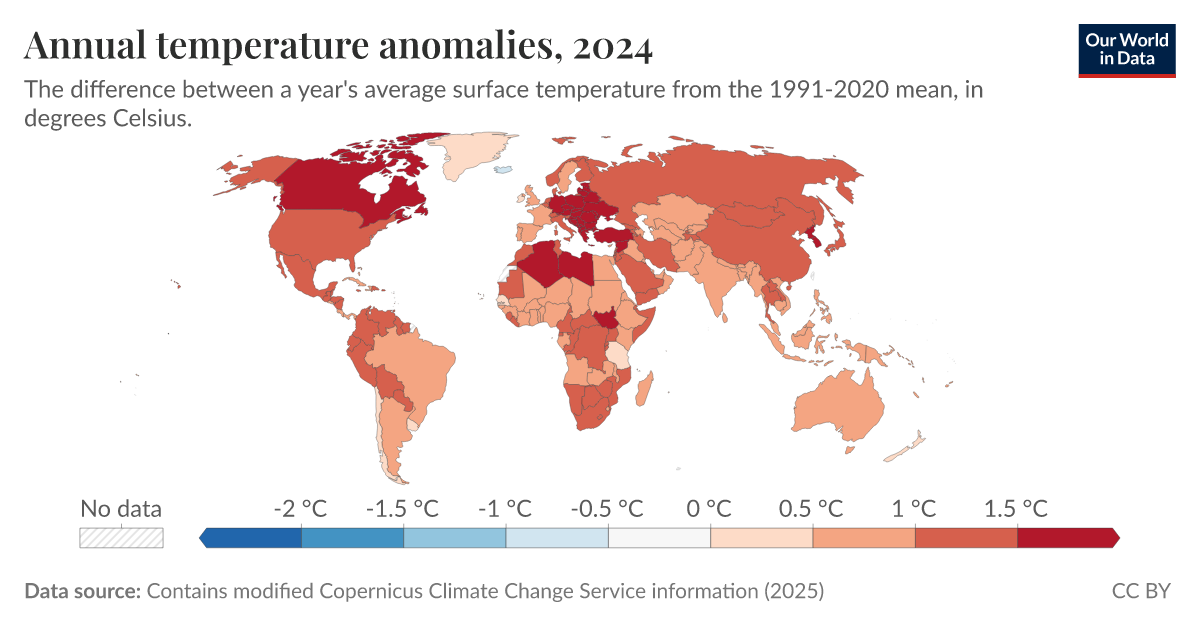
2025 Temperature Anomalies Reveal a Measurable Climate Signal
The 2025 temperature anomalies present a measurable, validated climate signal, not a speculative projection. These annual readings offer empirical evidence of systemic change, reinforcing the urgency of integrated ocean intelligence. Understanding drives protection, and this data sharpens our focus. For deeper context on how warming oceans reshape global systems, see our related coverage on seismic data revealing intensifying wave energy. These findings demand a shared, collaborative response grounded in scientific integrity.
El Niño and La Niña no longer define cool and warm years
El Niño and La Niña no longer define cool and warm years. "Cool" years are now hotter than the "warm" years of the past. This is not speculation; it is a measured, empirical recalibration of our climate baseline. The shift is validated by decades of peer-reviewed data. The ocean economy is booming, but as UNCTAD's integrated climate indicators show, its longevity depends on understanding these changes. The urgency is clear, and the data demands action.

Calibrated data, not altered truth: refining the global temperature record
Calibrated data is not altered truth. When the global temperature record is refined through validated, peer-reviewed methods, we gain a more accurate understanding of our climate. These adjustments, grounded in empirical science, correct for known biases, they do not manufacture a narrative. This is how we build trust in the measurements that guide us. For deeper context on the forces driving these changes, our coverage of record atmospheric CO₂ levels in 2024 offers a parallel view.

Measuring only heatwave peaks misses months of ocean heat stress
Marine heatwaves are not single spikes, they are often the visible crest of a much longer warming event, with elevated temperatures lingering for months. New research shows that conventional measurements, which focus only on peak intensity, underestimate total heat exposure by more than 150% on average. That is a significant blind spot in how we assess stress on marine ecosystems. Understanding drives protection, and this study clarifies why we must look beyond the peaks.