tectonics
World Data Ocean keeps tectonics in one place: 4 stories so far. The section currently leads with “Ocean Warming Amplifies Seismic Activity Through Increased Wave Energy”, “Exploring Ocean Depths: India's Waters and the Search for Submarine Trenches”, and “Earth's Interior Shaped Antarctica's Early Ice Age”. Seismic records now show something worth pausing on: ocean waves are gaining strength as the planet warms, and that energy is registering deep in the Earth's crust. India's ocean floors hold questions we are only beginning to frame. A Global Hub for Ocean Intelligence 4 World Data Ocean is a centralized digital platform where researchers, scientists, and ocean enthusiasts converge to… The list below is every tectonics story on World Data Ocean, newest first.

Ocean Warming Amplifies Seismic Activity Through Increased Wave Energy
Seismic records now show something worth pausing on: ocean waves are gaining strength as the planet warms, and that energy is registering deep in the Earth's crust. This is not a distant concern; it is a measurable, peer-reviewed signal that links climate indicators directly to ground motion. The data is clear, and it demands we take the connection between warming oceans and seismic activity seriously.
Exploring Ocean Depths: India's Waters and the Search for Submarine Trenches
India's ocean floors hold questions we are only beginning to frame. While the Mariana Trench anchors our understanding of deep-sea extremes, the search for comparable trenches in Indian seas remains an open, empirical inquiry. This exploration is not about spectacle; it is about calibrating what we know of underwater topography and its role in climate indicators. For those tracking how such research connects to broader systems, our related piece on Cascadia's subduction zone offers useful tectonic context.
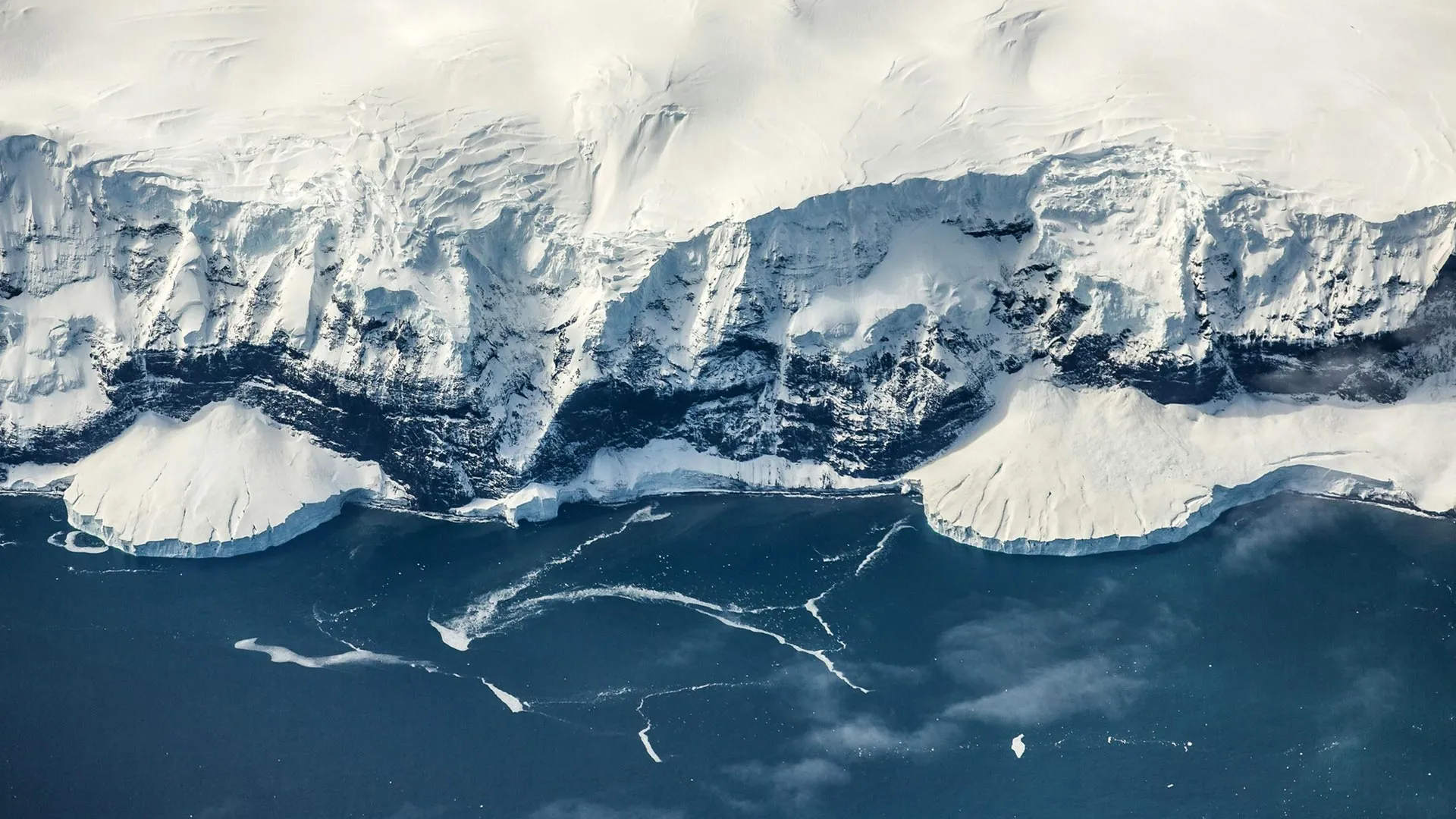
Earth's Interior Shaped Antarctica's Early Ice Age
East Antarctica's ice sheet did not appear because of a cooling planet alone. Slow-moving waves deep within Earth lifted the region, raising mountains and a high plateau where snow could persist even in a warmer world. Once glaciers formed, their reflective surfaces amplified the cooling. This is a reminder that geology and climate move together, not in isolation. For more on how deep Earth processes echo through time, see our coverage of magma and microbial activity rewriting a 2-billion-year-old carbon signal.
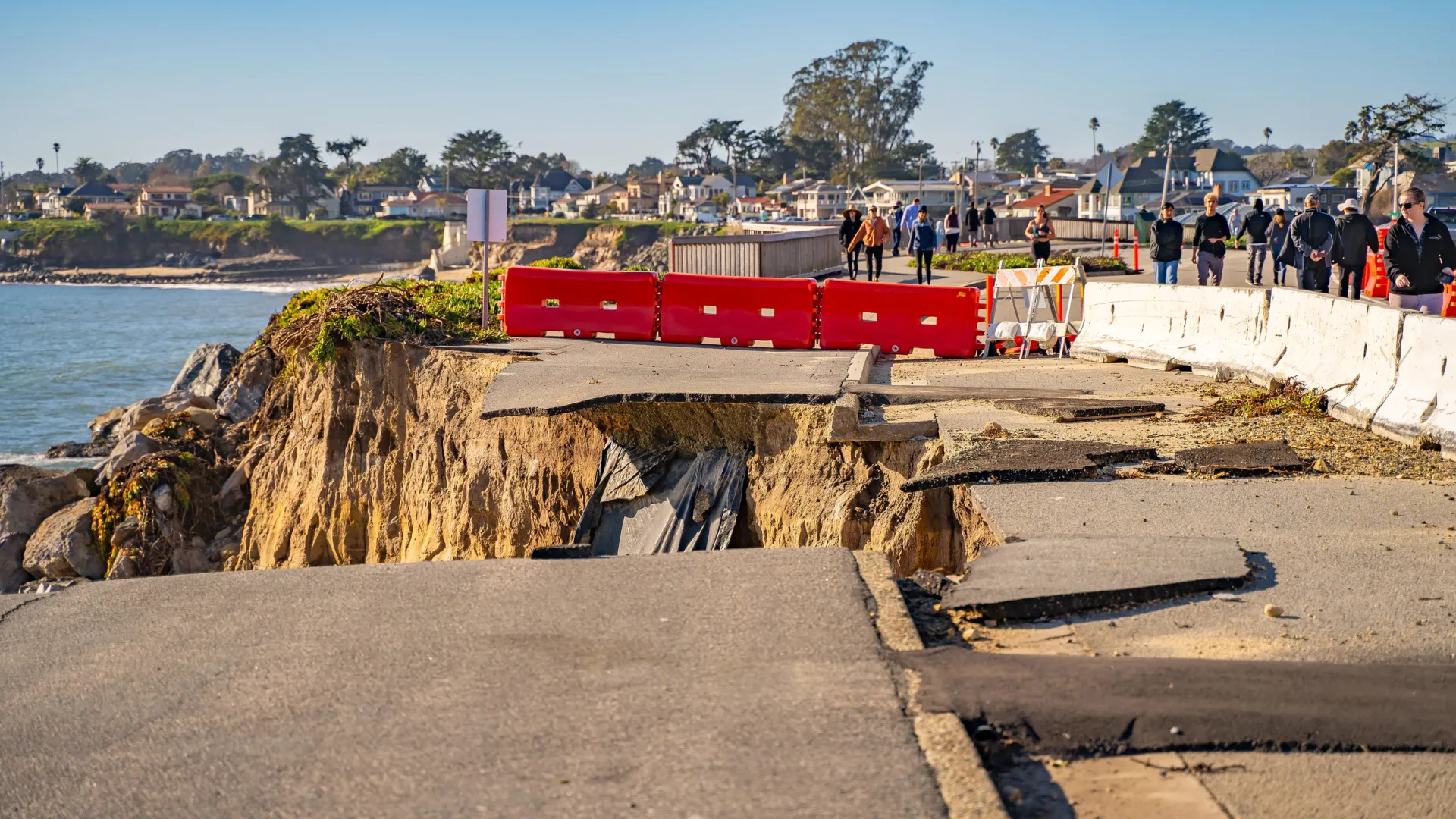
Cascadia and San Andreas: Linked Earthquake Risk Emerges from Ocean Data
Sediment layers preserved in the ocean floor now suggest that a major Cascadia rupture may have repeatedly triggered a second quake on the San Andreas Fault. The pattern, drawn from thousands of years of underwater landslide records, points to a troubling possibility: these two fault systems may not always act alone. The finding reframes how we understand seismic risk along the West Coast.