tariffs
tariffs at World Data Ocean is a file of 6 stories. The newest of them: “Record Port Activity Reflects Rising Chinese Exports Amid Trade Uncertainty”, “Marine Insurance Premiums Rise to $42.6 Billion Amidst Market Softness”, and “U.S. Ports See Continued Strength with 1.88M TEUs Moved in August”. Record port activity tells a clear story: Chinese exports are rising even as trade uncertainty persists. Global marine insurance premiums reached $42.6 billion in 2025, a 5.5% rise that masks a persistent softness beneath the surface. A Global Hub for Ocean Intelligence 4 World Data Ocean is a centralized digital platform where researchers, scientists, and ocean enthusiasts converge to… The list below is every tariffs story on World Data Ocean, newest first.
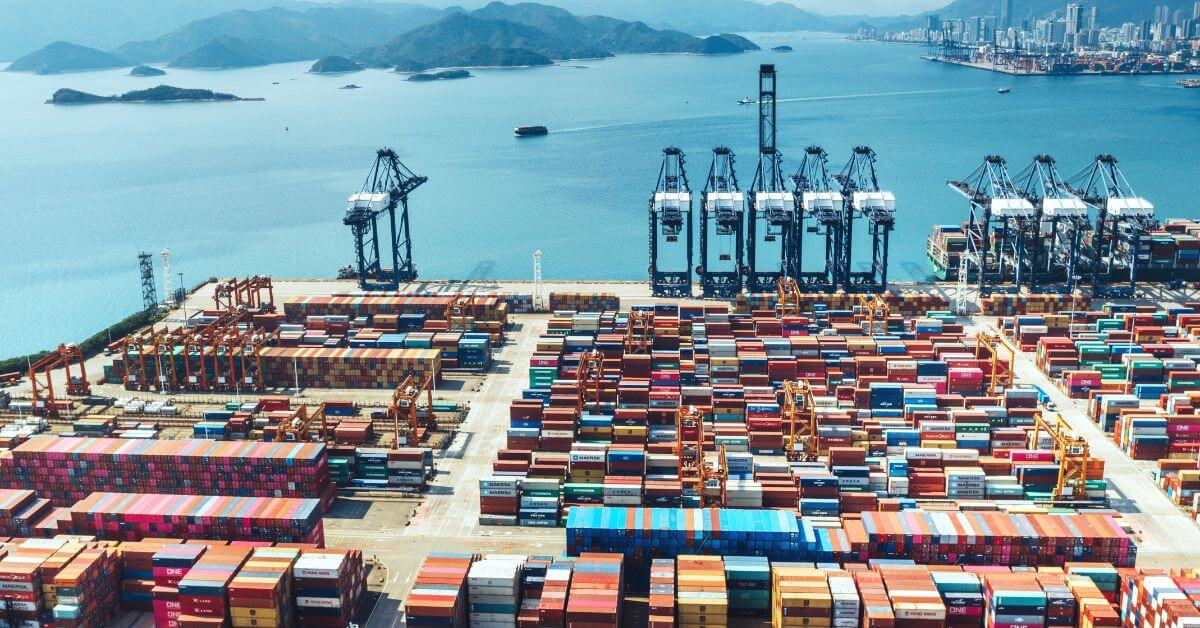
Record Port Activity Reflects Rising Chinese Exports Amid Trade Uncertainty
Record port activity tells a clear story: Chinese exports are rising even as trade uncertainty persists. The 7.279 million twenty-foot equivalent units handled in the week to September 20 marks a measurable high, one that signals resilience rather than retreat. We read this as a sign that global demand for Chinese goods remains calibrated to real needs, not speculative stockpiling. For context on how trade routes are shifting elsewhere, our piece on the Gulf of Oman STS transfers shows similar pressure points.
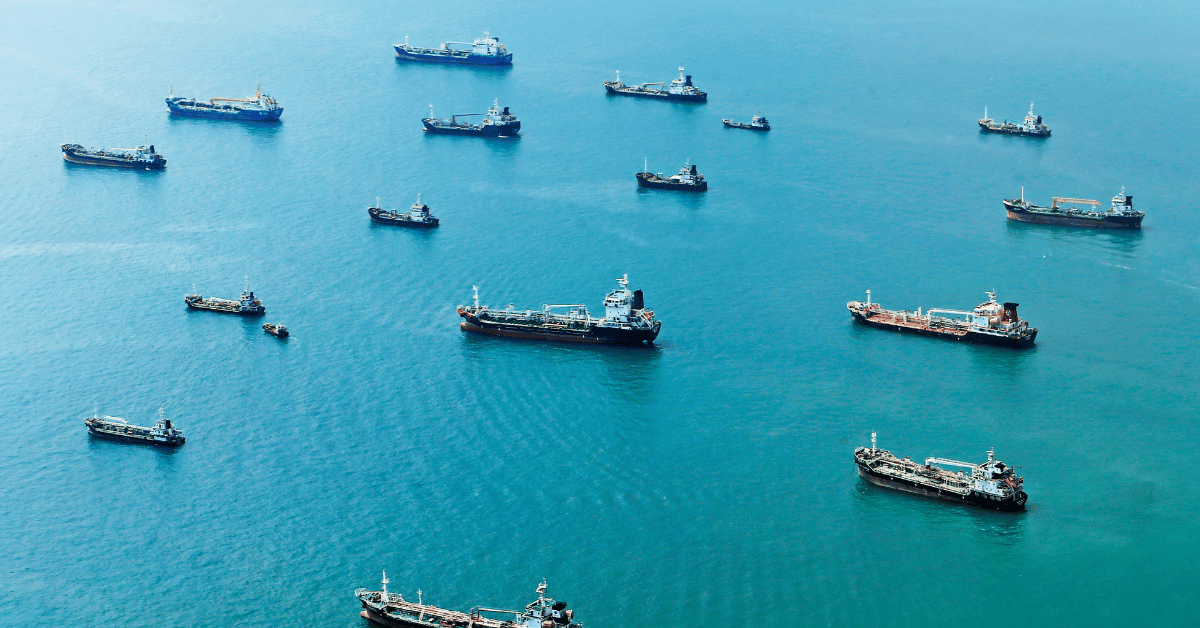
Marine Insurance Premiums Rise to $42.6 Billion Amidst Market Softness
Global marine insurance premiums reached $42.6 billion in 2025, a 5.5% rise that masks a persistent softness beneath the surface. Currency fluctuations, excess capacity, and competitive pressure are keeping underwriters cautious, even as demand holds steady. Growth here is real, but it is not momentum. The market is consolidating around efficiency rather than expansion. For an industry built on assessing risk, the current climate demands sharper data and clearer signals. Those who adapt will lead; those who hesitate will simply follow the current.
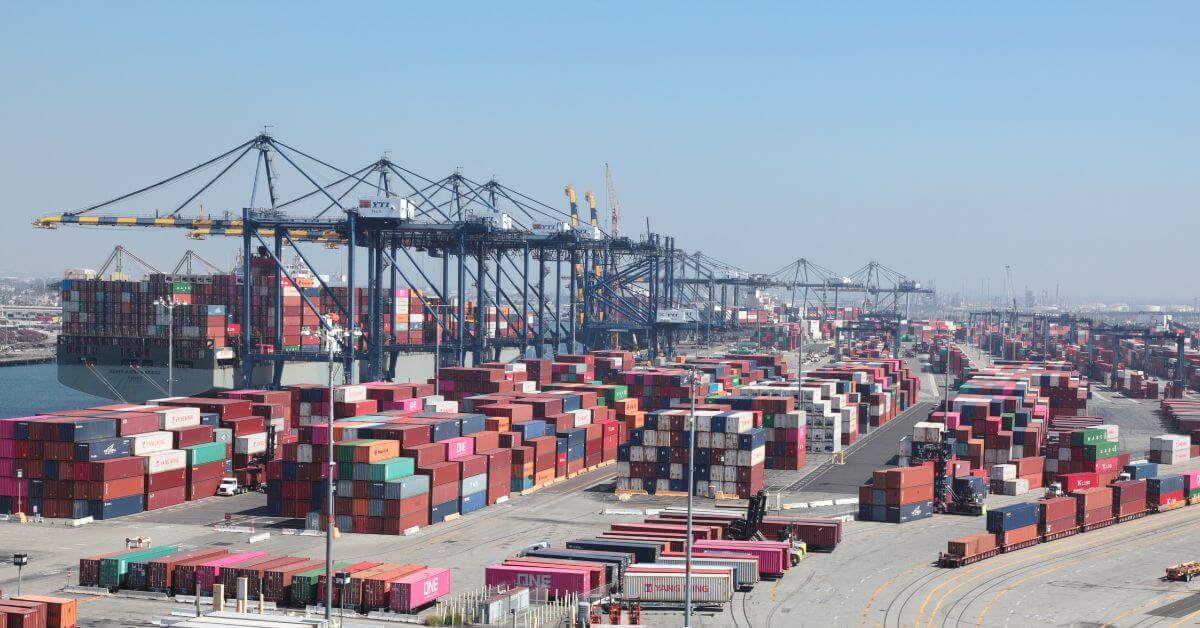
U.S. Ports See Continued Strength with 1.88M TEUs Moved in August
August's throughput of 1.88 million TEUs marks a 2% gain over last year, landing the port its fifth-busiest month in 115 years. Consistency like this signals more than resilience; it reflects a data-driven logistics ecosystem operating at scale. Sustained volume at this level supports broader ocean intelligence efforts, from cargo tracking to climate monitoring. For context on how maritime security intersects with these operations, our coverage of Maritime Interdictions Yield 25,000 Pounds of Cocaine underscores the layered realities of ocean stewardship.

Geopolitical Shifts: Lake Ontario’s Name Sparks Transnational Data Debate.
A four-century-old name now anchors a transnational data dispute. The Canadian Prime Minister's stance, reaffirmed on X, is clear: Lake Ontario remains Lake Ontario, despite pressure to rename it. This is not merely cartographic nostalgia. It is a question of who controls the narrative of shared waters. Names carry empirical weight in ocean intelligence. We see similar tensions in the Strait of Hormuz, where geopolitical posturing shapes maritime data flows.

Record Container Volume Signals Continued Growth at Port of Los Angeles
The Port of Los Angeles moved more than 1 million TEUs in June, its busiest June in 118 years. That is not a rounding error; it is a calibrated signal. Record container volume reflects sustained demand and operational resilience, even as global supply chains recalibrate. We track these numbers because they are measurable indicators of economic momentum, not abstract figures. For broader maritime context, our coverage of Paradip Port's designation as a Mega Port complements this picture of expanding trade infrastructure.

U.S. LNG Reaches China, Signaling Potential Shift in Trade Dynamics.
A U.S. LNG cargo has docked at a Chinese port for the first time since tariffs interrupted direct trade. The shipment signals a recalibration, though not a resolution, of a complex commercial relationship. Measured moves like this matter; they build the empirical record of how energy flows adapt to policy pressure. For deeper context on shifting trade routes, our piece on record port activity offers a useful counterpoint. The data will tell us if this is momentum or an anomaly.