space
space at World Data Ocean is a file of 3 stories. The newest of them: “Ocean Potential Detected on Distant Exoplanet, Data Sparks Debate.”, “Meteorite Discovery: Amino Acids Hint at Life's Origins.”, and “Black Sea Bloom: Satellite Data Reveals Turquoise Waters from Space”. A planet 124 light-years away may hold a global ocean beneath a hydrogen-rich atmosphere, and the data is already sparking debate. A single meteorite that crashed through a New Jersey roof in 2024 carries more than cosmic debris; it holds amino acids formed in brine, molecules that may explain how life's building blocks arrived on Earth. A Global Hub for Ocean Intelligence 4 World Data Ocean is a centralized digital platform where researchers, scientists, and ocean enthusiasts converge to… The list below is every space story on World Data Ocean, newest first.

Ocean Potential Detected on Distant Exoplanet, Data Sparks Debate.
A planet 124 light-years away may hold a global ocean beneath a hydrogen-rich atmosphere, and the data is already sparking debate. Webb has delivered two tentative hints of dimethyl sulfide, a gas tied to marine microbes on Earth, yet independent analyses dispute the find. That tension is the story: not certainty, but calibrated curiosity. We read this as a reminder that ocean intelligence grows through rigorous questioning. For context on how we assess such systems, our World Ocean Assessment coverage offers a grounded counterpoint.
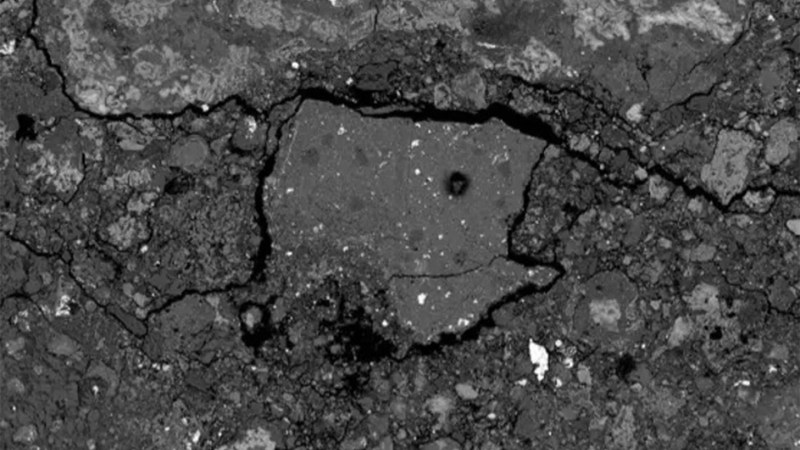
Meteorite Discovery: Amino Acids Hint at Life's Origins.
A single meteorite that crashed through a New Jersey roof in 2024 carries more than cosmic debris; it holds amino acids formed in brine, molecules that may explain how life's building blocks arrived on Earth. The discovery is compelling because it links planetary chemistry to our own origins. We're watching a rock rewrite a fundamental question about life's start. For readers tracking similar breakthroughs, our piece on fossilized dinosaur traits offers another glimpse into survival's deep history.
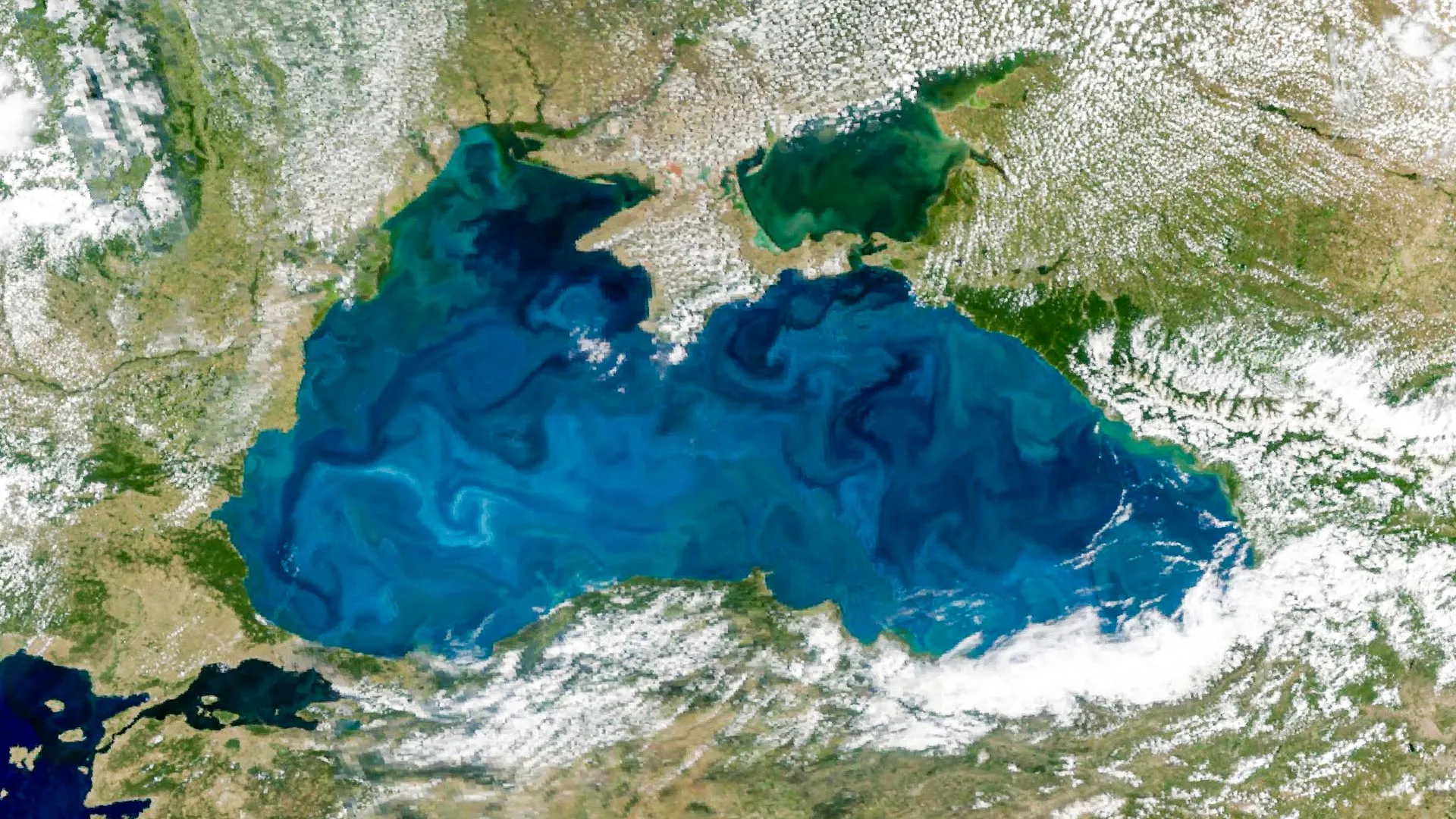
Black Sea Bloom: Satellite Data Reveals Turquoise Waters from Space
From orbit, the Black Sea has turned turquoise. NASA's PACE satellite captured the annual phytoplankton bloom, its reflective coccolithophore shells brightening the water enough to be seen from space. An astronaut on the International Space Station also photographed the bloom threading through the Bosphorus, where swirling currents reveal its reach. It is a striking reminder that ocean intelligence begins with observation, and that such calibrated data is essential for tracking the health of our shared seas.