situational awareness
situational awareness at World Data Ocean is a file of 5 stories. The newest of them: “When Communication Fails: Ambiguous VHF Exchange Prevents TSS Collision”, “OODA-Informed Navigation: Enhancing Autonomous Ship Decision-Making at Sea”, and “Aegir Sonar: AI-Powered Maritime Security for Enhanced Underwater Intelligence”. A bulk carrier and tanker collided in a Traffic Separation Scheme after an ambiguous VHF exchange, poor situational awareness, and inadequate checks before a major course alteration. The OODA loop, long a mainstay of tactical decision-making, now finds a compelling application in maritime autonomy. A Global Hub for Ocean Intelligence 4 World Data Ocean is a centralized digital platform where researchers, scientists, and ocean enthusiasts converge to… The list below is every situational awareness story on World Data Ocean, newest first.
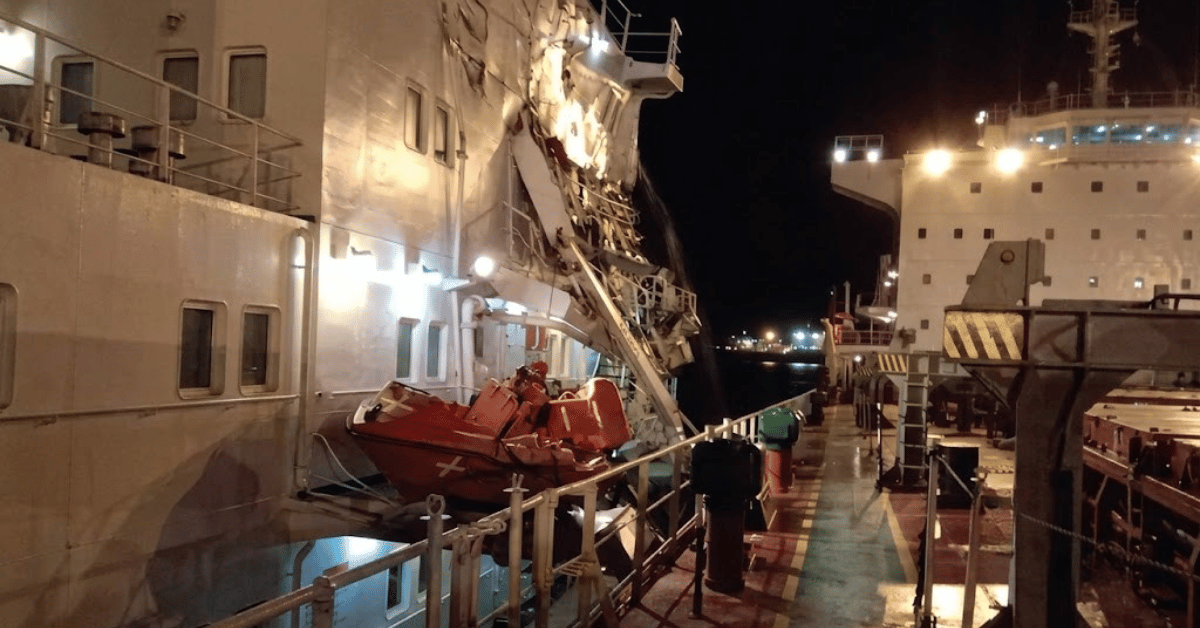
When Communication Fails: Ambiguous VHF Exchange Prevents TSS Collision
A bulk carrier and tanker collided in a Traffic Separation Scheme after an ambiguous VHF exchange, poor situational awareness, and inadequate checks before a major course alteration. When communication fails, the consequences are measurable and immediate. This incident underscores how human factors remain a leading cause of maritime accidents, a theme we explore further in our analysis of quantifying human factors in vessel loss-of-control risk models. Understanding these failures drives better protection at sea.

OODA-Informed Navigation: Enhancing Autonomous Ship Decision-Making at Sea
The OODA loop, long a mainstay of tactical decision-making, now finds a compelling application in maritime autonomy. This study confronts a core challenge head-on: collision avoidance systems that falter in complex encounters. By structuring navigation through Observe, Orient, Decide, and Act, the framework creates a closed loop where situational awareness directly informs validated maneuvering decisions. The results, verified on OpenCPN, show all target vessels cleared with DCPA well above safety thresholds. This pragmatic approach to integrating ship domain models with velocity obstacles yields COLREGs-compliant strategies.

Aegir Sonar: AI-Powered Maritime Security for Enhanced Underwater Intelligence
The Aegir range answers a clear operational need: sonar systems designed for precise, real-time underwater awareness. This is not about novelty; it is about calibrated, measurable capability when maritime domain awareness is most demanding. The intelligence is practical and immediate. For broader geopolitical context on why such capabilities matter now, our coverage of the Strait of Hormuz shipping lane discussions offers a relevant perspective. Aegir provides the empirical tool for a complex reality.
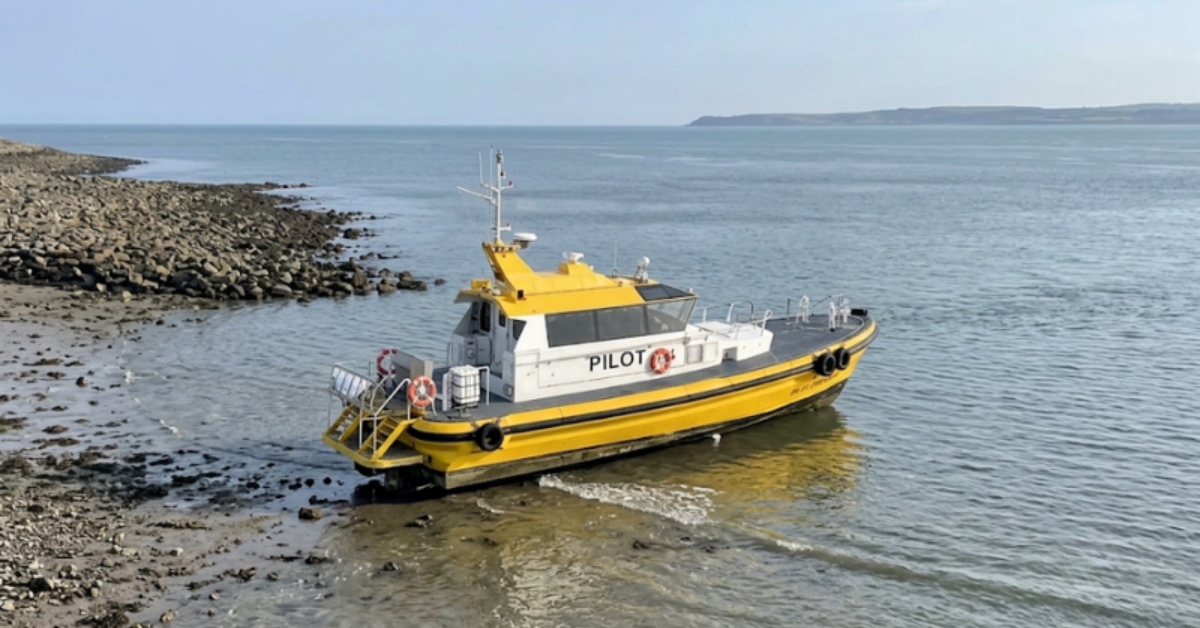
Navigational Error and Visibility Highlight Situational Awareness Risks at Sea
A pilot boat ran aground when poor visibility and reduced situational awareness led the Master into a navigational error. The incident underscores how quickly conditions at sea can erode even experienced decision-making. It is a measured reminder that vigilance is not optional, it is the anchor of safe passage. For broader context on maritime safety challenges, our coverage of the drone strike near the Strait of Hormuz highlights how external threats compound operational risk. Understanding these failures drives stronger, more disciplined practices.

Autonomous System MRLN Expands Naval Capabilities Through Integrated Operations
At the 2026 Pennsylvania Defense and Innovation Summit, Ghostworks introduced MRLN, a remote-pilot autonomy system designed to expand naval capabilities through integrated operations. This is a measured step toward practical ocean intelligence, where validated, real-time coordination becomes the standard. MRLN's strength lies in its precision, not hype, aligning with a broader push for resilient maritime assets. For context on how regional forces are adapting, our coverage of India's expanded naval fleet plans offers a useful parallel.