shipping
130 stories filed under shipping on World Data Ocean. The newest of them: “Escalation Looms: Houthis Prepare for Red Sea Shipping Disruption.”, “EU Sanctions Debate Complicates Russian LNG Restrictions.”, and “Shipping Costs Surge as Gulf Attacks Impact Crew Availability.”. Missiles and drones are now positioned near the Bab el-Mandeb Strait, according to sources, as Houthi forces signal readiness to strike commercial shipping. The European Union's push to tighten restrictions on Russian LNG has stalled, with Greece leading the resistance. A Global Hub for Ocean Intelligence 4 World Data Ocean is a centralized digital platform where researchers, scientists, and ocean enthusiasts converge to… The list below is every shipping story on World Data Ocean, newest first.

Escalation Looms: Houthis Prepare for Red Sea Shipping Disruption.
Missiles and drones are now positioned near the Bab el-Mandeb Strait, according to sources, as Houthi forces signal readiness to strike commercial shipping. The threat is not abstract; it is a calibrated escalation with the potential to disrupt a critical artery of global trade. For those tracking the region's instability, this follows a pattern of mounting pressure on maritime chokepoints. Our coverage of the Gulf of Oman STS transfers shows how shifting oil flows are already straining elsewhere. This is ocean intelligence demanding attention.

EU Sanctions Debate Complicates Russian LNG Restrictions.
The European Union's push to tighten restrictions on Russian LNG has stalled, with Greece leading the resistance. It's a reminder that collective action often collides with national priorities. The bloc's resolve is clear, but unity is the real test here. For broader context on Russia's maritime strategy, our coverage of the Vostok project's Arctic oil launch offers a useful parallel. For now, the question is whether the EU can turn shared climate and security goals into decisive policy.

Shipping Costs Surge as Gulf Attacks Impact Crew Availability.
The loss of seafarers' lives in Gulf attacks is no longer a distant risk; it is a measurable cost. Shipping companies are facing surging recruitment expenses as crew availability tightens, a direct consequence of vessels becoming targets in contested waters. This is not abstract market pressure; it is operational reality. The human toll is reshaping commercial calculations. For deeper context on how regional instability compounds these pressures, our coverage of phased negotiations to ease Strait of Hormuz restrictions offers a relevant parallel.

Fuel Cells Chart a Course for Decarbonizing Maritime Shipping
Fuel cells are moving from the laboratory to the load plan. As FuelEU Maritime regulations tighten, the technology is shifting from a promising concept to a commercial reality. We see this as a practical, flexible pathway for cutting emissions across the fleet. The maritime sector needs actionable solutions, and this is one that warrants close attention. For broader context on how these pressures intersect, our coverage of Integrated Ocean Governance offers a wider lens on the challenges ahead.

Shipping Adjustments: India Suspends Seafarer Deployments Through Strait of Hormuz
India has suspended seafarer deployments through the Strait of Hormuz, a decision that carries weight for global shipping and the more than 300,000 Indians serving on merchant vessels worldwide. This is a measured, necessary step, though it underscores how swiftly regional instability can ripple through maritime labor markets. The move deserves attention not as alarm, but as a reminder that operational decisions now carry geopolitical consequence. For broader context on maritime disruptions, our related coverage on Gulf of Oman STS transfers offers a useful parallel.
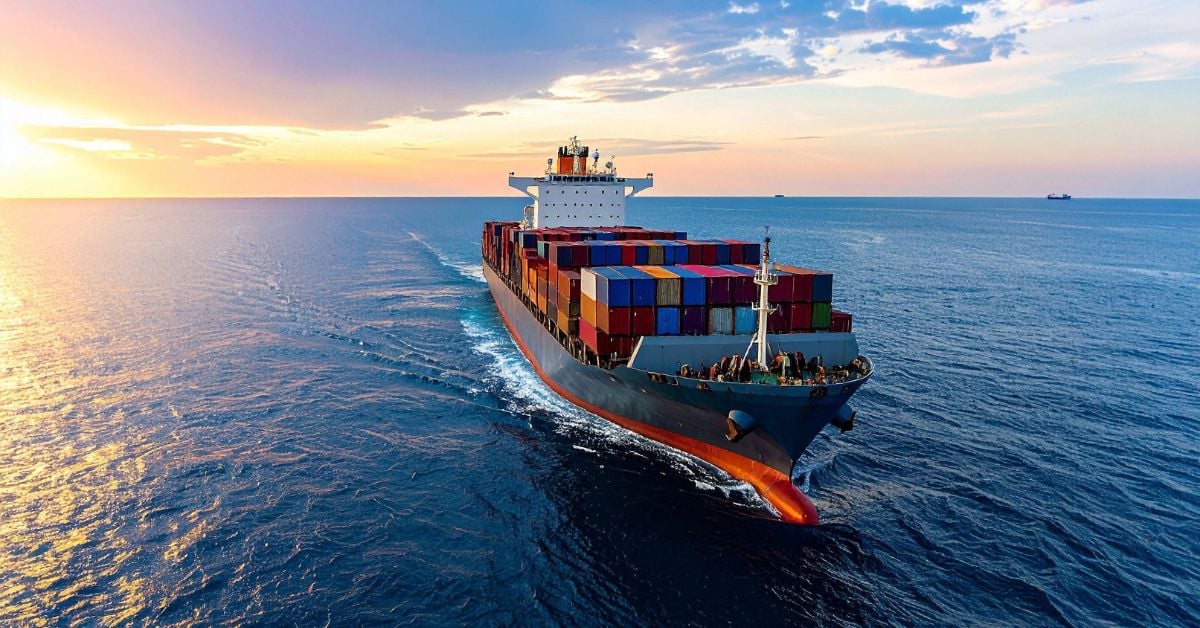
Brazilian Ethanol Powers First Container Ship, Marking Sustainable Shipping Advance
The first container ship powered by Brazilian-made ethanol departed Santos early Tuesday, a practical step toward decarbonizing maritime trade. This is not a distant concept; it is a working vessel, fueled by a biofuel already produced at scale. The move signals that cleaner shipping is not limited to batteries or ammonia, but can also build on established agricultural strengths. For related context on how marine routes are being redrawn, see our coverage of integrated subsea infrastructure shifts enhancing Indian Ocean connectivity.

Integrated Port Development Offers Climate-Resilient Trade Route Option.
Fujairah's proposed integrated port facilities offer a pragmatic answer to a congested trade corridor, sitting securely outside the Strait of Hormuz. This location transforms risk into reliability, giving shippers a route that holds up under pressure. The design prioritizes climate resilience, a necessity, not a luxury, for long-term logistics. It is a measured step forward, one that aligns with the pressures outlined in our coverage of Gulf of Oman STS transfers maxing out. Strategic positioning, backed by solid planning, speaks louder than hype.

Shipping Traffic Declines in Strait of Hormuz Amid Rising Tensions.
Ship traffic through the Strait of Hormuz fell to multi-week lows on Sunday, a measurable shift for one of the world's most vital energy chokepoints. The decline reflects rising tensions in the region, and the numbers warrant close attention. This is not speculation; it is calibrated observation. For broader context on how regional dynamics are shifting, our coverage of phased negotiations, including "Phased Negotiations Aim to Ease Restrictions on Strait of Hormuz," offers a constructive counterpoint.

Maritime Security Imperative: IMO Condemns Attacks on Shipping Lanes
The IMO's condemnation of attacks on shipping lanes is a measured, necessary response to a crisis that threatens the very framework of global trade. The Secretary-General's call for an end to unwarranted strikes is not just diplomatic language; it is a demand for the rules that keep our integrated data ecosystem moving to hold firm. Geopolitical friction cannot be allowed to destabilize the maritime routes we all depend on.

US Imposes Shipping Fee in Strait of Hormuz, Challenging International Law
The United States has announced it will reimpose its Iranian blockade and levy a 20% fee on cargo shipments transiting the Strait of Hormuz, a directive the International Maritime Organization has declared legally baseless. This unilateral move challenges the rules-based order that governs global shipping. Forcing a fee on a critical chokepoint risks escalating tensions, not resolving them. The IMO's objection is clear: no legal foundation exists for such an action. Our related coverage on phased negotiations to ease Hormuz restrictions offers essential context.