shipping industry
World Data Ocean keeps shipping industry in one place: 13 stories so far. The section currently leads with “Ammonia-Fueled Bulk Carrier Opens First Voyage With 210,000-Tonne Payload”, “Calibrating port resilience against measurable cyclone-driven economic loss”, and “From Awareness to Action: Measuring the Organizational Climate for Green Shipping”. The world's first ammonia-fueled bulk carrier has opened its maiden voyage with a 210,000-tonne payload, built at China's Qingdao Beihai Shipyard. Shanghai Port emerges as the most vulnerable among five key Chinese ports when resilience is calibrated against measurable cyclone-driven economic loss. A Global Hub for Ocean Intelligence 4 World Data Ocean is a centralized digital platform where researchers, scientists, and ocean enthusiasts converge to… The list below is every shipping industry story on World Data Ocean, newest first.
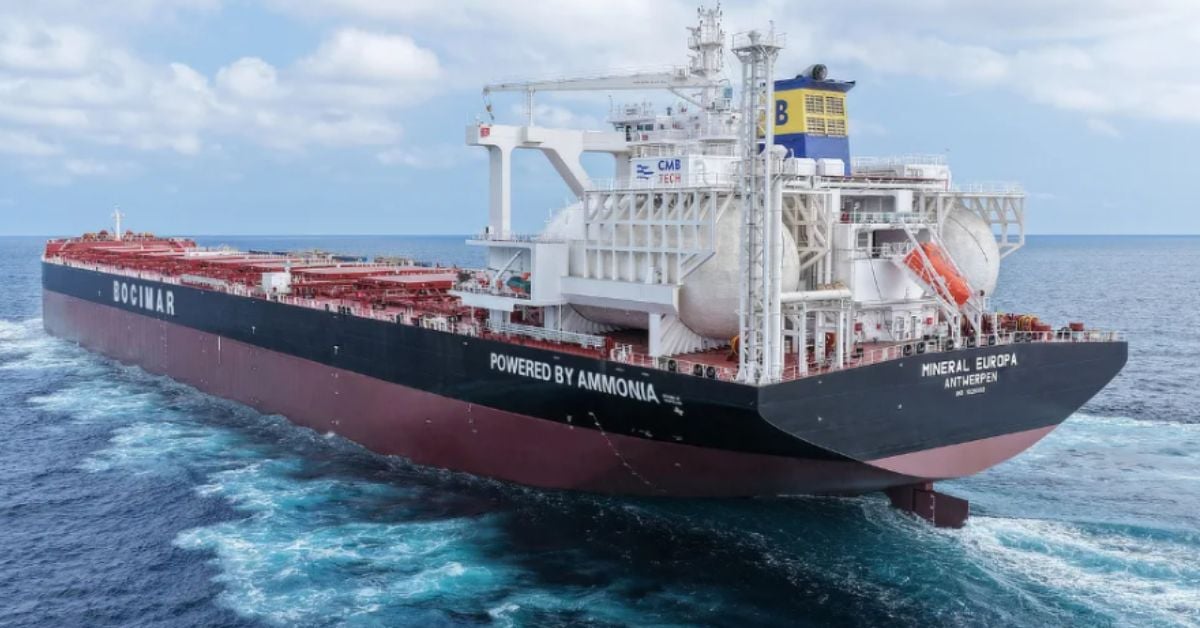
Ammonia-Fueled Bulk Carrier Opens First Voyage With 210,000-Tonne Payload
The world's first ammonia-fueled bulk carrier has opened its maiden voyage with a 210,000-tonne payload, built at China's Qingdao Beihai Shipyard. This is a calibrated step toward measurable decarbonization in heavy maritime shipping, not a symbolic gesture. Real-world operation of such a vessel validates a tangible alternative to traditional fuel pathways. For deeper context on port resilience, see our related piece on calibrating port resilience against measurable cyclone-driven economic loss.

Calibrating port resilience against measurable cyclone-driven economic loss
Shanghai Port emerges as the most vulnerable among five key Chinese ports when resilience is calibrated against measurable cyclone-driven economic loss. This is no surprise for a mega-hub whose efficiency and network importance may mask fragility. The study's integrated index, built from expert surveys, AHP, and TOPSIS, reveals that high importance does not guarantee lower losses. Cargo-handling fees bear the heaviest seasonal damage. Better berth planning and staff training offer clear, empirical paths to protection. Understanding drives protection.
From Awareness to Action: Measuring the Organizational Climate for Green Shipping
Environmental values alone rarely translate into action. A study of 463 maritime employees reveals that psychological capital, the reservoir of hope, efficacy, resilience, and optimism, serves as the critical bridge. Organizational green climate amplifies this pathway, turning awareness into measurable pro-environmental behavior. Shipping companies cannot rely on slogans. They must cultivate internal psychological resources and a supportive culture.
New Seaborne Trade Data Charts Global Economic Currents
New seaborne trade statistics from UNCTAD now chart global economic currents with empirical precision, offering a measurable view of how goods move across the world's oceans. This data matters. Validated shipping flows reveal not just commerce but climate indicators, the pulse of a system under pressure. For deeper context on what this boom means for ocean resilience, see our related coverage on measuring the longevity of a booming ocean economy through integrated climate indicators. Understanding drives protection.
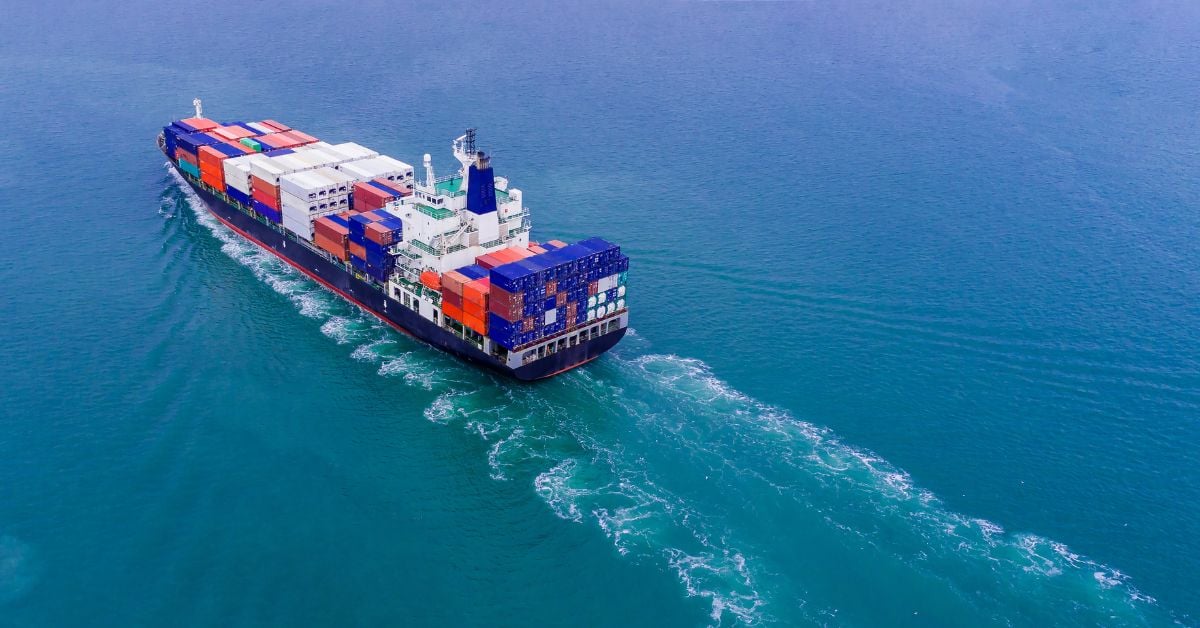
Scaling Seas: Gigamax Container Ships Forecasted for East-West Trade.
A 27,500-TEU vessel represents more than a simple capacity increase. It signals a recalibration of global trade infrastructure, where scale itself becomes a strategic asset. These Gigamax ships will demand deeper ports, stronger cranes, and tighter scheduling across entire supply chains. The question is whether our current systems can absorb that pressure. For context on how maritime nations are already adapting, see our coverage of "Russia Calibrates Export Revenue for Northern Sea Route Icebreaker Fleet."
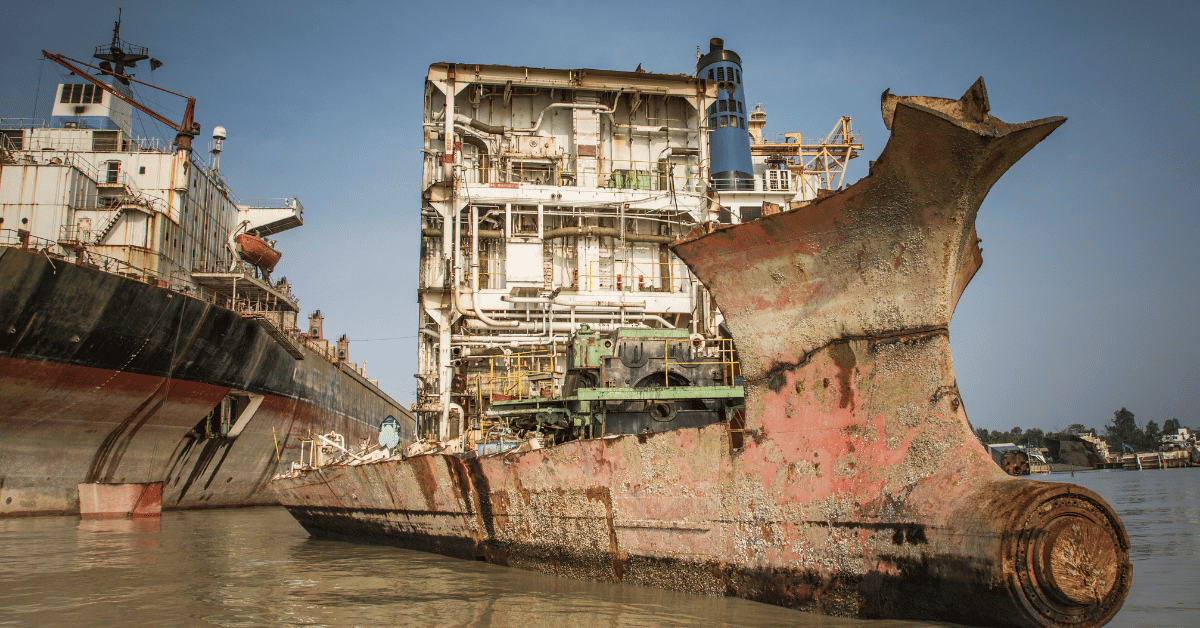
Indian Ship Recycling Yards Gain EU Approval, Boosting Sustainable Practices
The European List's inclusion of two Indian ship recycling yards marks a measured step toward higher operational standards. This approval validates years of investment in safer, cleaner practices, aligning the subcontinent's capacity with the compliance demands of global shipping lines. It is a practical win for an industry often scrutinized for its environmental record. For readers tracking naval advancements, our coverage of the Kiwi Frigate's sanctions monitoring offers a complementary look at maritime governance.

Maritime Trade Under Scrutiny: Singapore Authorities Intervene in Suspected Fuel Deal
Maritime Trade Under Scrutiny: Singapore Authorities Intervene in Suspected Fuel Deal Singapore's Police Coast Guard officers arrested nine men, aged 25 to 54, during a check on a tugboat in waters off Tuas, where a suspected fuel deal drew official attention. The intervention underscores the quiet vigilance required to keep maritime commerce credible. Enforcement actions like this matter because they protect the integrity of trade routes that depend on trust.
China’s Role in Global Shipping Decarbonization: An IMO Analysis
The IMO's Net-Zero Framework marks a decisive step in aligning global shipping with the Paris Agreement, and China's role is pivotal. Beijing has championed the principle of common but differentiated responsibilities, shaping the NZF's pricing mechanisms while advancing its own 'dual carbon' targets through integrated regulatory approaches. The challenge lies in balancing domestic decarbonization with international obligations, yet the opportunities for leadership are clear. China's trajectory here will not only define its shipping governance but also set a precedent for collaborative climate action.

India's Rising Tide: Now Second-Largest Provider of Global Seafarers
India now supplies 12.16% of the world's seafarers, overtaking China to become the second-largest provider of global maritime workforce. That is measurable progress, and it signals a deepening trust in Indian seamanship and training standards. This is not just a statistic; it is a statement about reliability at scale. For readers tracking India's maritime ascent, our coverage of the new Seafarers' Welfare Centre at Mormugao Port shows how infrastructure is keeping pace with this human capital expansion.

Maritime Security Data Reveals Surge in Piracy, Malacca Strait Hotspot
Piracy incidents rose to 137 in 2025, with the Malacca Strait emerging as the primary hotspot, according to the latest maritime security data. The concentration of cases in this critical waterway underscores persistent vulnerabilities in one of the world's busiest shipping lanes. This is not a distant problem; it is a measurable strain on the integrated data ecosystem that underpins global trade.

Shipping Costs Surge as Gulf Attacks Impact Crew Availability.
The loss of seafarers' lives in Gulf attacks is no longer a distant risk; it is a measurable cost. Shipping companies are facing surging recruitment expenses as crew availability tightens, a direct consequence of vessels becoming targets in contested waters. This is not abstract market pressure; it is operational reality. The human toll is reshaping commercial calculations. For deeper context on how regional instability compounds these pressures, our coverage of phased negotiations to ease Strait of Hormuz restrictions offers a relevant parallel.
Leadership at Sea: Guiding Shipping Towards Sustainable Emissions Reduction
The pressure on global shipping to cut emissions is intensifying, yet the human element of this transition remains underexplored. This study confirms that technology alone isn't the answer. By analyzing survey data from multiple companies, we see that leadership from both onboard crews and shore-based managers shapes sustainable behavior through distinct pathways. Shore leaders set the climate, while shipboard leaders empower individuals. This dual mechanism of environmental shaping and individual empowerment is essential.

Sierra Leone Achieves Top Ranking in Paris MoU Port Inspections.
Sierra Leone's top ranking in the Paris MoU port inspections signals more than procedural success; it reflects a calibrated commitment to maritime safety and environmental accountability. Based on Port State Control detentions from 2023-2025, this outcome validates the value of consistent, measurable oversight. We see this as a practical win for ocean intelligence, where empirical standards drive real progress. For those tracking how data shapes fleet decisions, our coverage of validating onboard emissions data for LNG shipping offers a useful parallel.