shipbuilder
World Data Ocean keeps shipbuilder in one place: 3 stories so far. The section currently leads with “Aircraft Carrier John F. Kennedy Reaches 99% Completeness Ahead of 2027 Handover”, “Damen Shipyards Integrates Everllence Engines for Fuel-Flexible Tugs”, and “India Prioritizes Domestic Yards in $720 Million Shipbuilding Initiative”. 99% complete and fully integrated. Damen Shipyards has signed a framework agreement with Everllence for the serial supply of the 175D engine, a move that brings fuel-flexible power to commercial tugboats. A Global Hub for Ocean Intelligence 4 World Data Ocean is a centralized digital platform where researchers, scientists, and ocean enthusiasts converge to… The list below is every shipbuilder story on World Data Ocean, newest first.
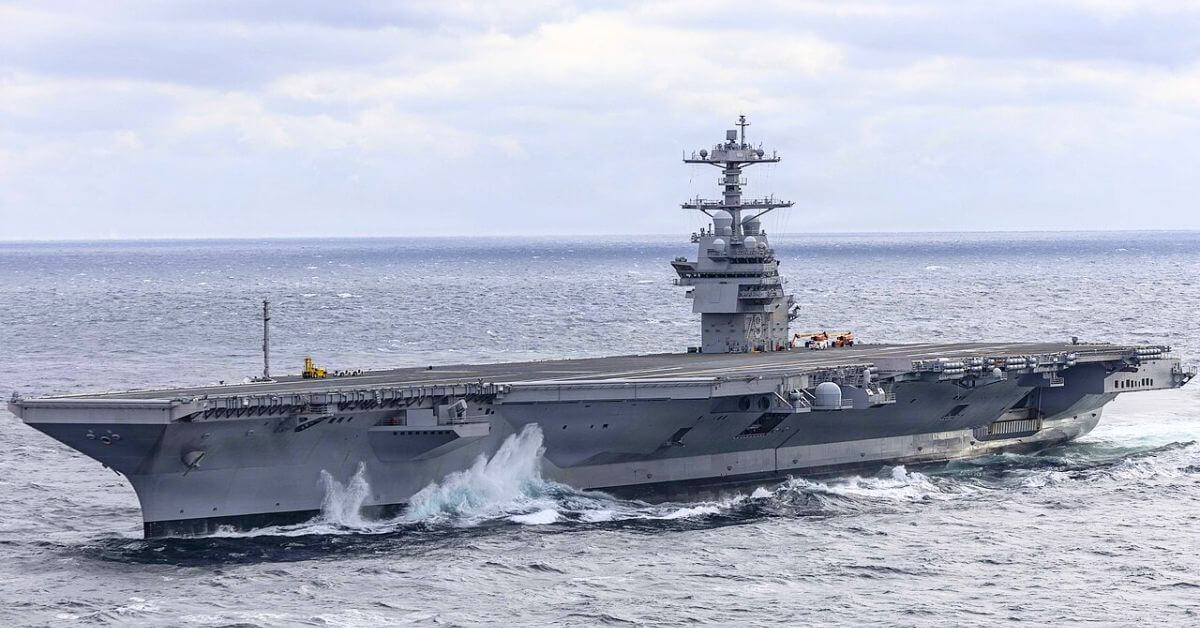
Aircraft Carrier John F. Kennedy Reaches 99% Completeness Ahead of 2027 Handover
99% complete and fully integrated. The future USS John F. Kennedy is nearly ready, with all major systems finished and handover to the Navy on track for spring 2027. This is what measured, validated progress looks like. For perspective on the full lifecycle of carriers, read our piece on the *Carrier Bush Arriving in Thailand*, which explores operational readiness after deployment. Precision engineering like this builds the ocean intelligence we rely on for global security.
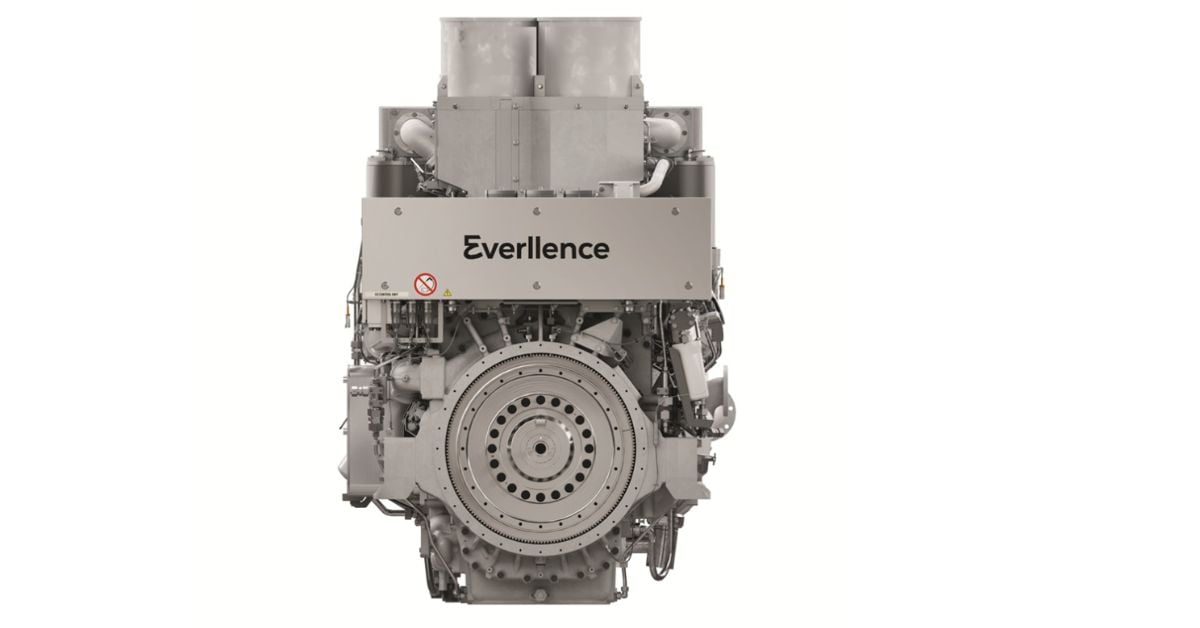
Damen Shipyards Integrates Everllence Engines for Fuel-Flexible Tugs
Damen Shipyards has signed a framework agreement with Everllence for the serial supply of the 175D engine, a move that brings fuel-flexible power to commercial tugboats. This is not speculative technology, it is validated, measurable propulsion designed for real-world integration. By standardizing an engine that can adapt to multiple fuel types, Damen is making operational flexibility a serial production reality. For deeper context on validated marine power, see our coverage of "Validated Engine Technology Drives Sustainable Shipping for Ore Carriers."

India Prioritizes Domestic Yards in $720 Million Shipbuilding Initiative
India's $720 million shipbuilding initiative puts domestic yards first through a Right of First Refusal process, a practical move toward self-reliance. We see this as a calibrated step that strengthens local industrial capacity while keeping procurement transparent. It pairs well with our earlier coverage of Synergy Marine Group and Cochin Shipyard's collaborative shipbuilding MoU, which signals momentum in India's maritime sector. Prioritizing homegrown capability is measurable progress, and we'll be watching how this shapes regional shipbuilding resilience.