sea ice
sea ice at World Data Ocean is a file of 9 stories. The newest of them: “Refining sea ice models to capture fractal features reshapes estimates of Arctic marine production”, “Melting ice and shifting microalgae in Antarctica's seasonal ice-ocean boundary”, and “Massive Iceberg Calving and Transit: A Longitudinal Arctic Observation”. The Arctic's thinning ice pack is not just shrinking; it is fracturing into leads, ridges, and polynyas that fundamentally alter where and when phytoplankton bloom. A measurable drop in surface salinity, from 36.67 to 30.67, coupled with a chlorophyll *a* spike above 40 µg L⁻¹, tells a precise story of seasonal meltwater forcing in Terra Nova Bay. A Global Hub for Ocean Intelligence 4 World Data Ocean is a centralized digital platform where researchers, scientists, and ocean enthusiasts converge to… The list below is every sea ice story on World Data Ocean, newest first.

Refining sea ice models to capture fractal features reshapes estimates of Arctic marine production
The Arctic's thinning ice pack is not just shrinking; it is fracturing into leads, ridges, and polynyas that fundamentally alter where and when phytoplankton bloom. New simulations with HYCOM-ECOSMO show that the choice of sea ice rheology, from CICE's elastic-viscous-plastic to neXtSIM's brittle framework, shifts spring-bloom timing and carbon export in the Chukchi Sea. Light flux through refreezing leads matters. Mechanical damage is not a detail; it is central to estimating marine production. Related coverage on DNA metabarcoding of fragile Arctic zooplankton deepens this picture.
Melting ice and shifting microalgae in Antarctica's seasonal ice-ocean boundary
A measurable drop in surface salinity, from 36.67 to 30.67, coupled with a chlorophyll *a* spike above 40 µg L⁻¹, tells a precise story of seasonal meltwater forcing in Terra Nova Bay. Our integrated analysis of sea-ice thermodynamics, pigment signatures, and nutrient gradients reveals how the meltwater-influenced layer beneath landfast ice becomes a biologically critical interface. These findings underscore that understanding drives protection. For a broader view of shifting ocean productivity, see our related coverage of how ocean warming reshapes chlorophyll trends.

Massive Iceberg Calving and Transit: A Longitudinal Arctic Observation
A 76-square-kilometer iceberg broke from Greenland's Petermann Glacier in August 2026, the Arctic's largest calving event in six years. It struck Joe Island yet held together, and satellites now track its drift through Nares Strait. Such empirical, real-time observation is essential for calibrating climate indicators. Understanding drives protection. For deeper context on Arctic maritime shifts, see our coverage of Russia's icebreaker fleet revenue plans.
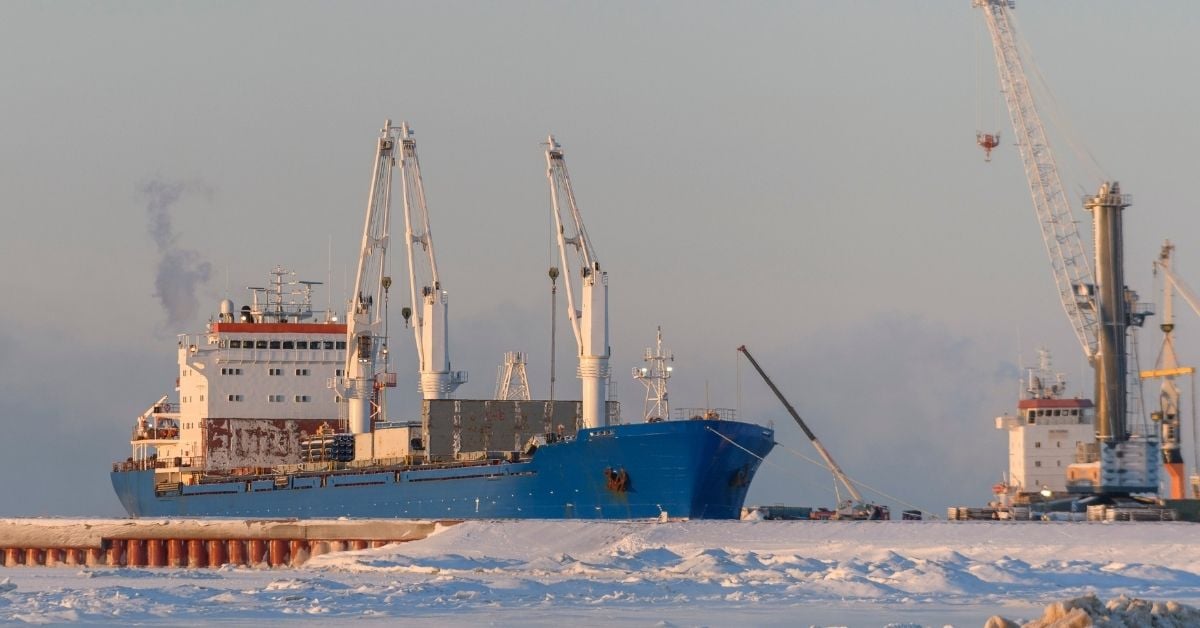
Canadian Grain Resumes European Shipping Via Churchill Port After Six-Year Hiatus
Thirty thousand tonnes of durum wheat now sit aboard a vessel bound for Europe, the first such departure from Churchill, Manitoba, in six years. This resumption of Canadian grain shipping through the Port of Churchill signals a practical return to a vital Arctic corridor. It is a measured step, but a telling one for northern logistics. For broader context on shifting Arctic trade routes, our coverage of the Vostok Project's Arctic oil exports offers a parallel view.
Shifting Arctic Waters Fuel Baleen Whale Feeding Frenzies off Greenland
The numbers are striking: roughly 4,000 humpback whales, 6,000 fin whales, and 4,500 minke whales now regularly feed along East Greenland's coast. This marks a profound ecological shift, driven by a late-1990s change point in sea surface temperatures and a post-2000 reduction in summer pack ice. These physical changes have facilitated access for boreal species, enabling them to exploit newly established capelin resources. This rapid borealization carries major implications for predator-prey dynamics, a theme echoed in our coverage of El Niño's unprecedented ocean warming.
Arctic Ice Edge Creates Unexpected Cloud-Seeding Boost, Climate Models May Need Update
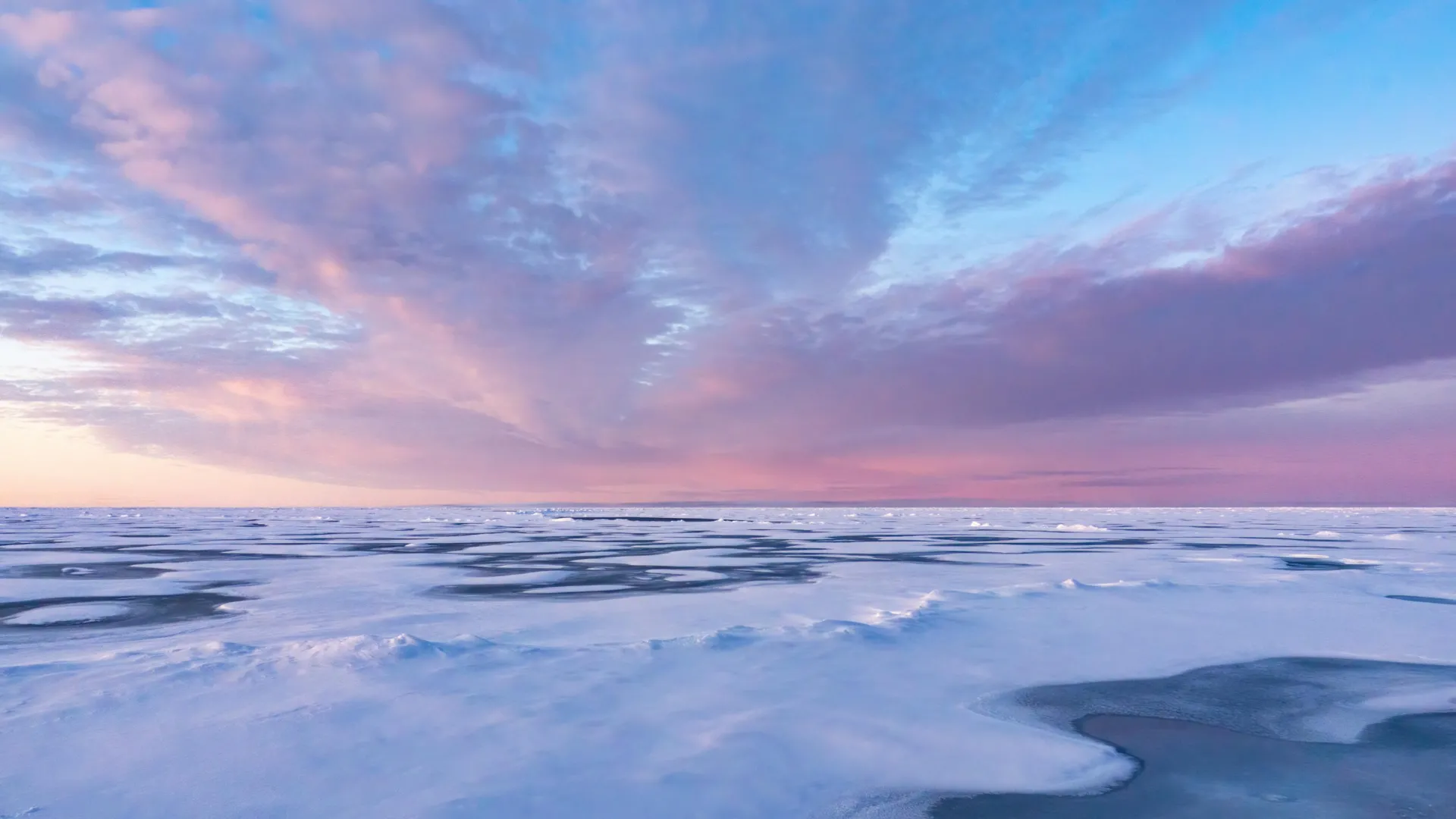
Sunlight meeting melting sea ice is doing more than brightening the Arctic. It is triggering a chemical reaction that multiplies cloud-seeding particles by up to 50 times in a single day. That is a striking jump, and it comes from a region actively expanding as ice retreats. This process deserves serious attention. We should not assume current models capture it. Understanding this mechanism could refine how we project Arctic warming, and that matters for everyone watching the poles.
Adélie Penguins Adapt: Molting Beyond Sea Ice Dependence
The Adélie penguin's reputation as a sea ice obligate species is cracking, and the evidence is compelling. Our synthesis, spanning 12 years of time-lapse observations at Cape Royds, reveals a more flexible molting strategy than previously assumed. Higher January sea ice concentration correlated with fewer penguins molting on land, challenging long-held assumptions. This context-dependence, echoed across circumpolar colonies, suggests a resilience that may underpin their persistence. For deeper insight into related dynamics, see our coverage of unexpected snowfall driving record ice gain in East Antarctica.
Integrated Models Enhance Ross Sea Marine Protected Area Conservation.
End-to-end models are no longer optional for marine conservation; they are the clearest path we have to understanding how physical forces, food webs, and predator behavior intersect. The paper's focus on the Ross Sea MPA is timely, particularly its call for modular structures that let scientists refine components without stalling the whole system. The emphasis on linking fine-scale predator foraging to broader ecosystem dynamics is especially sharp.
Arctic Shipping Route Reliability: Volatility Challenges Projected Navigability
The Arctic's open-water season is lengthening, but that is only half the story. A five-model CMIP6 ensemble projects the navigable window growing from roughly 2.7 to 3.6 months by mid-century, yet interannual volatility refuses to follow a predictable path. Under SSP5-8.5, turbulence peaks early then fades; under SSP2-4.5, it stays stubbornly high. That distinction matters for insurers and planners alike. The Laptev Sea remains the bottleneck, and corridor averages flatter route-level reality by up to 41 percent.