RINA
World Data Ocean keeps RINA in one place: 4 stories so far. The section currently leads with “AI and digitalisation anchor new maritime safety and emissions pact”, “Three classification societies set a new standard for maritime integrity”, and “Singapore Hub Advances Digital Twins and AI for Ocean Decarbonisation”. A new memorandum of understanding between China Merchants Energy Shipping and RINA anchors maritime safety and emissions management in digitalisation and AI. Three classification societies have joined the Maritime Anti-Corruption Network, setting a new standard for maritime integrity. A Global Hub for Ocean Intelligence 4 World Data Ocean is a centralized digital platform where researchers, scientists, and ocean enthusiasts converge to… The list below is every RINA story on World Data Ocean, newest first.
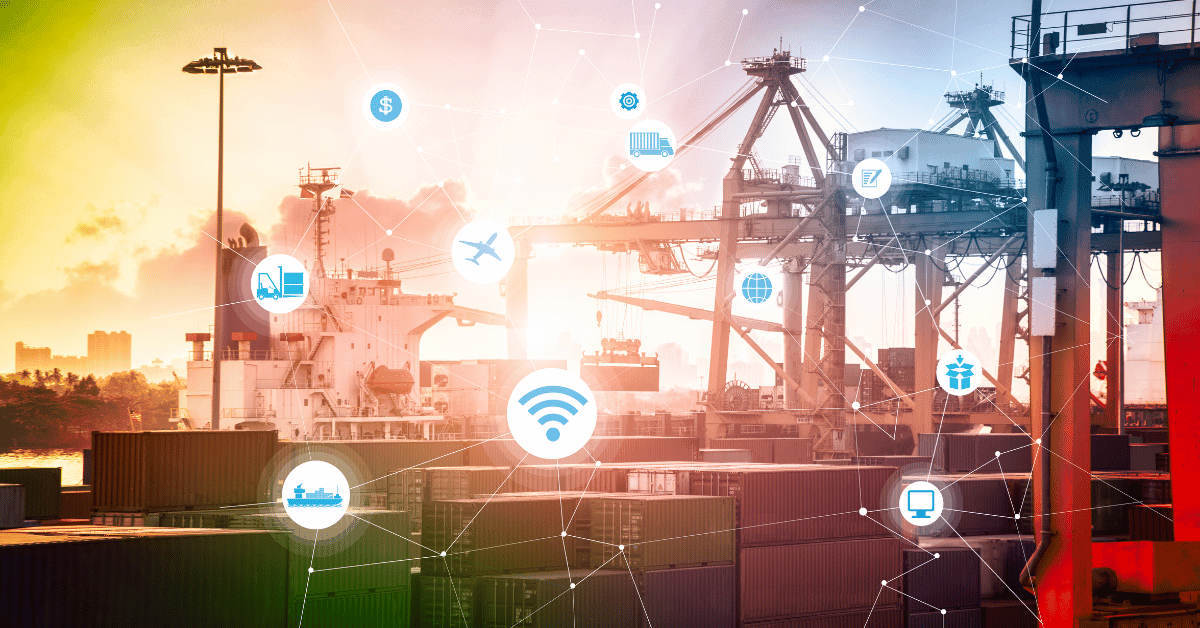
AI and digitalisation anchor new maritime safety and emissions pact
A new memorandum of understanding between China Merchants Energy Shipping and RINA anchors maritime safety and emissions management in digitalisation and AI. This is not speculative; it is an integrated data ecosystem designed for measurable, real-world impact. As the industry seeks validated pathways to decarbonisation, this collaboration aligns with efforts like the Wallenius Marine WinPrOVeDD project, which aims to harness wind energy more efficiently through empirical design validation.
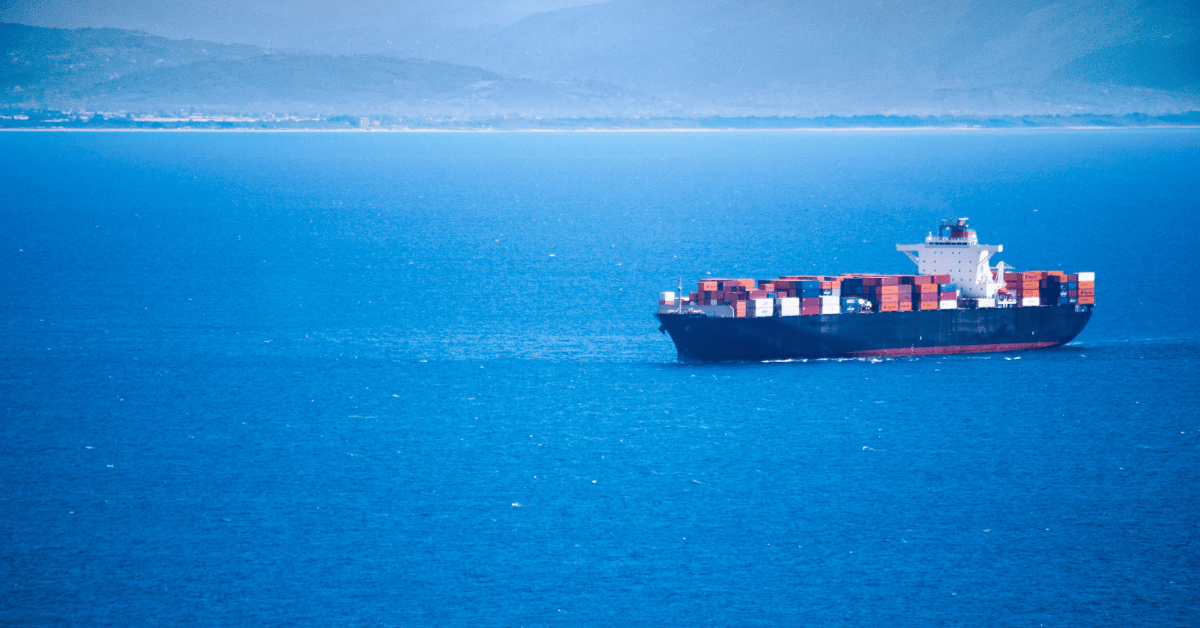
Three classification societies set a new standard for maritime integrity
Three classification societies have joined the Maritime Anti-Corruption Network, setting a new standard for maritime integrity. ABS, DNV, and RINA are now MACN's first classification society members, strengthening collective action against corruption risks. This is a calibrated step toward measurable industry accountability. Integrity requires more than policy, it demands empirical, peer-reviewed collaboration across the maritime ecosystem. For deeper context on how classification societies are advancing maritime safety and sustainability, see our coverage of the *Singapore Hub Advances Digital Twins and AI for Ocean Decarbonisation*.
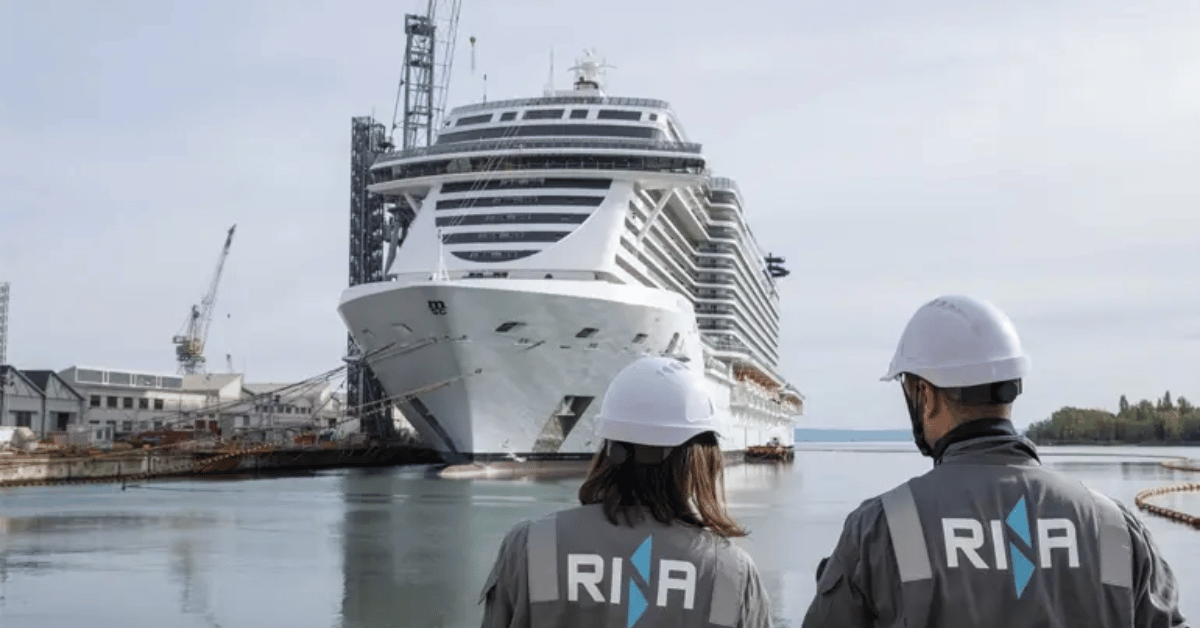
Singapore Hub Advances Digital Twins and AI for Ocean Decarbonisation
RINA's Singapore Open Innovation Hub is expanding with EDB support, sharpening its focus on digital twins, decarbonisation, and AI-driven maritime solutions. It is a measured step toward practical ocean intelligence, where simulation and real-time data converge to cut emissions. The work complements broader regional momentum, such as India's first e-methanol plant fueling cleaner Asia-Europe routes. Together, these efforts signal a pragmatic shift: decarbonisation is not a distant ideal but an operational target, and Singapore is positioning itself at the centre of that transition.
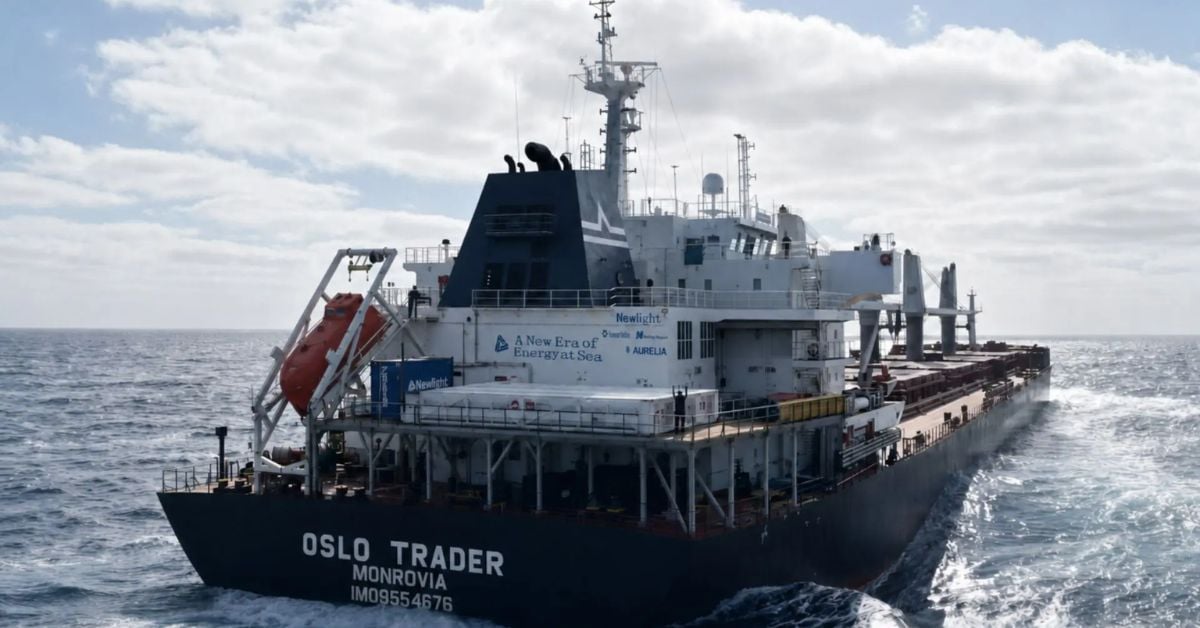
Hydrogen-Hybrid Propulsion Validates 24% Fuel Reduction on Transoceanic Voyage
A hydrogen-hybrid retrofit has delivered a 24% fuel reduction on a transoceanic voyage, a result that moves marine decarbonization from theory into measurable practice. Newlight's system, fitted to a bulk carrier's diesel engine, completed the 8,500-nautical-mile run from Singapore to Ghana with validated efficiency gains. This is the kind of empirical progress shipping needs, real-world performance, not pilot-project promise. For more on how such vessels face persistent hazards, see our coverage of the bulk carrier freed after grounding near Gladstone, Australia.