reproduction
World Data Ocean keeps reproduction in one place: 7 stories so far. The section currently leads with “Western Atlantic corals face a critical test of resilience against rising heat”, “Transformative Coastal Adaptation: Analyzing Systems for Climate Resilience”, and “Invasive Species Impact on Seagrass: Research Gaps and Ecosystem Concerns”. Western Atlantic corals are facing a critical test of resilience. Coastal adaptation often stalls not from a lack of tools, but from a lack of integrated thinking. A Global Hub for Ocean Intelligence 4 World Data Ocean is a centralized digital platform where researchers, scientists, and ocean enthusiasts converge to… The list below is every reproduction story on World Data Ocean, newest first.
Western Atlantic corals face a critical test of resilience against rising heat
Western Atlantic corals are facing a critical test of resilience. Ever more frequent heat waves and resulting bleaching threaten extinction unless these ecosystems can adapt rapidly. The region's unique geography and long history of pollution have made corals especially vulnerable. Yet evidence shows thermal resilience is increasing through symbiont shuffling and natural selection. Assisted reproduction can accelerate this progress. These promising signs will come to nothing unless overexploitation and pollution are severely reduced.

Transformative Coastal Adaptation: Analyzing Systems for Climate Resilience
Coastal adaptation often stalls not from a lack of tools, but from a lack of integrated thinking. This study cuts through fragmented approaches by building a framework around transformative capacity, examining how adaptation actions embed, influence, and reproduce within systems. It identifies core barriers like governance fragmentation and translation gaps, offering a clear-eyed synthesis for moving beyond technical fixes.
Invasive Species Impact on Seagrass: Research Gaps and Ecosystem Concerns
Seagrasses are vanishing across most of their range, and invasive species are accelerating that loss. Our review of 73 studies confirms that invaders, from algae to bioturbators, overwhelmingly harm seagrass traits like shoot density, growth, and survival. Competitive disruption is the dominant mechanism, yet research remains skewed toward just two species and a few regions. These pressures compound with other anthropogenic stressors, hitting already weakened ecosystems hardest.
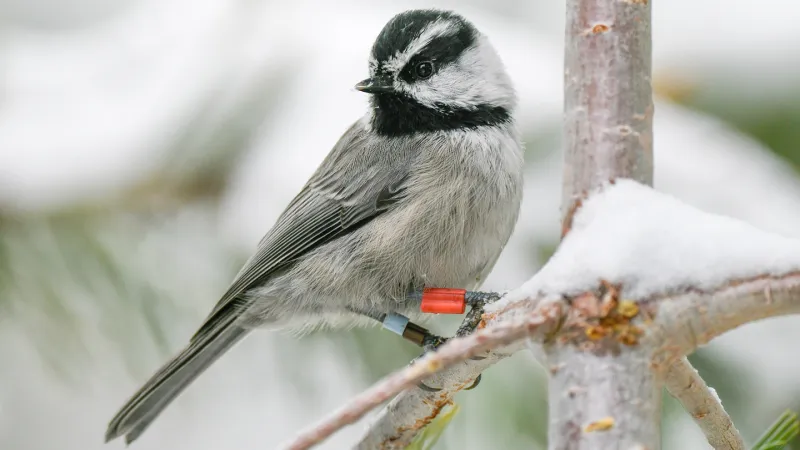
Cognitive Resilience: Smarter Chickadees Thrive Through Winter and Age.
A chickadee's cognitive edge persists into old age, and that resilience translates directly to survival and reproductive success. Wild birds with sharper problem-solving skills maintained their mental acuity through senescence, produced more offspring, and hosted healthier gut microbiomes. This is empirical evidence that intelligence is not merely a youthful advantage but a measurable, lifelong asset. Understanding drives protection. For deeper coverage on environmental intelligence, see our related report on "Cascadia and San Andreas: Evidence Suggests Sequential Earthquake Risk."
Legacy PCB Pollution Linked to Bottlenose Dolphin Reproduction and Health Risks
Decades after their ban, PCBs continue to shape the health of bottlenose dolphins, particularly near a contaminated site in Brunswick, Georgia. Our synthesis of six populations reveals that while concentrations are slowly declining, dolphins near the LCP Chemicals Site carry levels four times higher than elsewhere, with a median reproductive age nearly a decade later. The link to suppressed thyroid hormones and key health indicators points to a clear physiological pathway. It is a measured, sobering finding on legacy pollution's enduring grip.
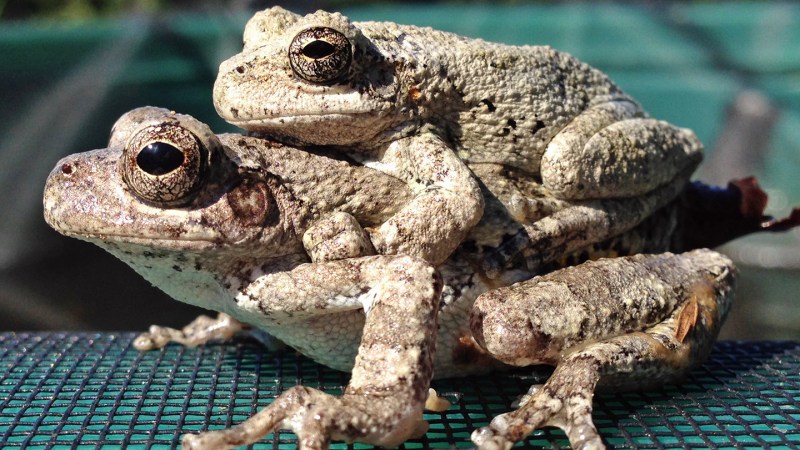
Mating Call Overload: Choice Paralysis Impacts Female Frog Selection
Choice overload is not a human quirk alone. In a controlled lab setting, female frogs became less likely to lock onto their preferred mate's call as the auditory competition intensified. That indecision, born from an overloaded soundscape, quietly hands an edge to less favored males. It is a measurable, peer-reviewed glimpse into how environmental noise reshapes decision-making. We see this as a compelling thread in a broader tapestry of sensory limits, much like our coverage of whether fish truly feel cold.
UV-B Radiation Impacts Reproduction and Growth in Common Green Alga
Ultraviolet-B radiation is not a neutral filter for life in the shallows. This study shows that increased UV-B, driven by ozone depletion, directly suppresses reproduction and early growth in *Ulva pertusa*. The data are clear: germling survival drops, and oxidative stress overwhelms the alga's defenses. This is empirical evidence of a quiet, measurable threat. For those tracking coastal resilience, this pairs with our coverage on transformative adaptation, reinforcing that physiological damage at the base of the food web complicates broader ecosystem planning.