Qeshm island
7 stories filed under Qeshm island on World Data Ocean. The newest of them: “Shipping Incident Near Hormuz Raises Regional Tensions, Claims One Life.”, “Strait of Hormuz: Iran Investigates Bulk Carrier Over Pollution Incident”, and “Tanker Stopped Near Strait of Hormuz; AIS Data Under Review.”. A commercial vessel was struck off Qeshm Island in the Strait of Hormuz, killing one crew member. Iran's investigation into a bulk carrier over a pollution incident in the Strait of Hormuz underscores the region's mounting environmental scrutiny. A Global Hub for Ocean Intelligence 4 World Data Ocean is a centralized digital platform where researchers, scientists, and ocean enthusiasts converge to… The list below is every Qeshm island story on World Data Ocean, newest first.
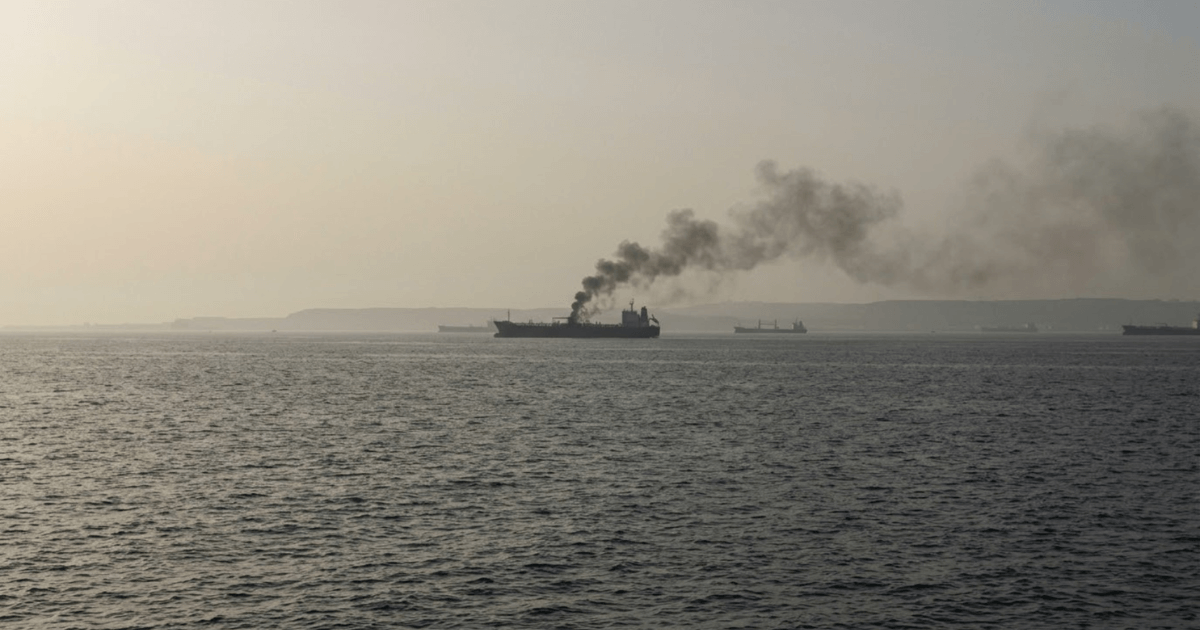
Shipping Incident Near Hormuz Raises Regional Tensions, Claims One Life.
A commercial vessel was struck off Qeshm Island in the Strait of Hormuz, killing one crew member. Iran now prepares to brief regional powers on shipping control. This incident raises tensions along a waterway already strained by capacity, our related coverage on Gulf of Oman STS Transfers Max Out Amid Rising Saudi Oil Exports underscores the logistical pressure. Measurable maritime data matters here: safety and security are empirical conditions, not abstractions. Understanding drives protection.
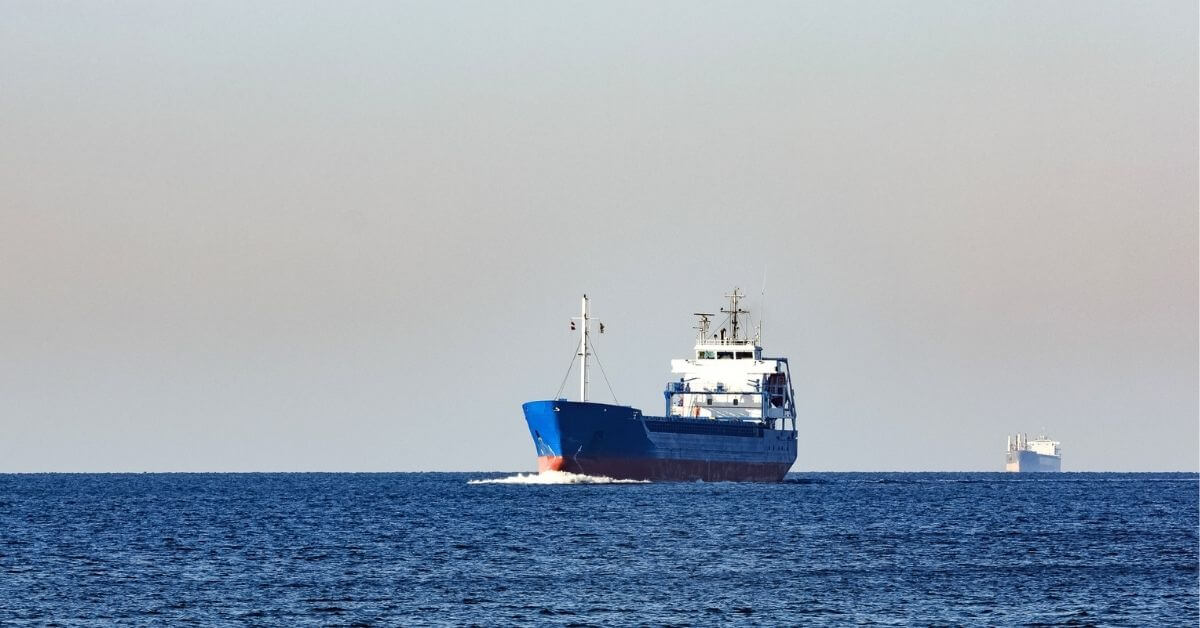
Strait of Hormuz: Iran Investigates Bulk Carrier Over Pollution Incident
Iran's investigation into a bulk carrier over a pollution incident in the Strait of Hormuz underscores the region's mounting environmental scrutiny. The vessel remains under judicial proceedings, even as authorities confirm the contamination has been cleaned. Enforcement here is as much about accountability as it is about prevention. For context on how pressure builds across these waters, our coverage of Gulf of Oman STS transfers maxing out offers a useful parallel. Measured oversight, applied consistently, is what protects vital chokepoints.

Tanker Stopped Near Strait of Hormuz; AIS Data Under Review.
AIS tracking data placed the Liberia-flagged tanker *Amara* in a sudden stop south of Qeshm Island during its inbound transit of the Strait of Hormuz. A halt of this kind, in such a critical maritime corridor, warrants close observation rather than speculation. The review of the vessel's movement data will be the measure of what happens next. For broader context on the region's shifting oil flows, our piece on Gulf of Oman STS transfers offers useful perspective.

Shipping Risk: Hormuz Attack Triggers $10.98 Million Payout.
The Thai-flagged Mayuree Naree, IMO 9323649, was struck by two projectiles on March 11, shortly after crossing the Strait of Hormuz, triggering a $10.98 million payout. That figure is a stark reminder of how quickly maritime risk translates into real financial consequence. The attack underscores the vulnerability of vessels in this corridor, a reality our Gulf of Oman STS Transfers Max Out piece also touches on. For now, the payout is settled, but the broader question of navigational security remains open.

Iran Reports Strikes Targeting U.S. Naval Assets in Kuwait and Indian Ocean
Iran's Islamic Revolutionary Guard Corps reports strikes targeting U.S. naval assets in Kuwait and the northern Indian Ocean, including shore-to-sea cruise missiles fired at a U.S. vessel. The claim signals a measurable escalation in regional maritime tension, one that demands calibrated attention from allied forces. While the full picture remains unverified, the strategic implication is clear: ocean intelligence is no longer just environmental. For broader context on maritime security shifts, see our coverage of Puntland Forces Intercept Hijacked, US-Sanctioned Oil Tanker After 48 Hours.

Vessel Splits and Sinks in Strait of Hormuz; Crew Rescued
A vessel split and sank in the Strait of Hormuz, coming to rest on the shallow seabed with its bow and stern above the waterline. The crew was rescued. This incident underscores the fragility of maritime operations in one of the world's most vital shipping lanes. For context on the broader pressures shaping this waterway, our related coverage on "Phased Negotiations Aim to Ease Restrictions on Strait of Hormuz" offers deeper insight. The strait's resilience is being tested, and the stakes remain measurable.

Calibrated Response: U.S. Action Targets Iran's Maritime Threat Near Strait of Hormuz.
A seven-hour operation has reduced Iran's ability to threaten commercial shipping near the Strait of Hormuz, a calibrated response to a persistent maritime risk. Measured action of this kind matters, because the strait is not a theoretical concern; it is a live artery for global energy movement. The operation's scope was deliberate, not escalatory. For readers tracking the broader diplomatic picture, our related coverage on phased negotiations to ease restrictions offers useful context. Protection of shipping lanes remains a shared, empirical responsibility.