productivity
World Data Ocean keeps productivity in one place: 3 stories so far. The section currently leads with “Fincantieri commits nearly €100 million to robotic shipyard intelligence”, “Invasive Species Impact on Seagrass: Research Gaps and Ecosystem Concerns”, and “Strategic Automation: Smaller Ports Achieve Efficiency Incrementally.”. Nearly €100 million is a serious bet on a single question: can a shipyard think for itself? Seagrasses are vanishing across most of their range, and invasive species are accelerating that loss. A Global Hub for Ocean Intelligence 4 World Data Ocean is a centralized digital platform where researchers, scientists, and ocean enthusiasts converge to… The list below is every productivity story on World Data Ocean, newest first.
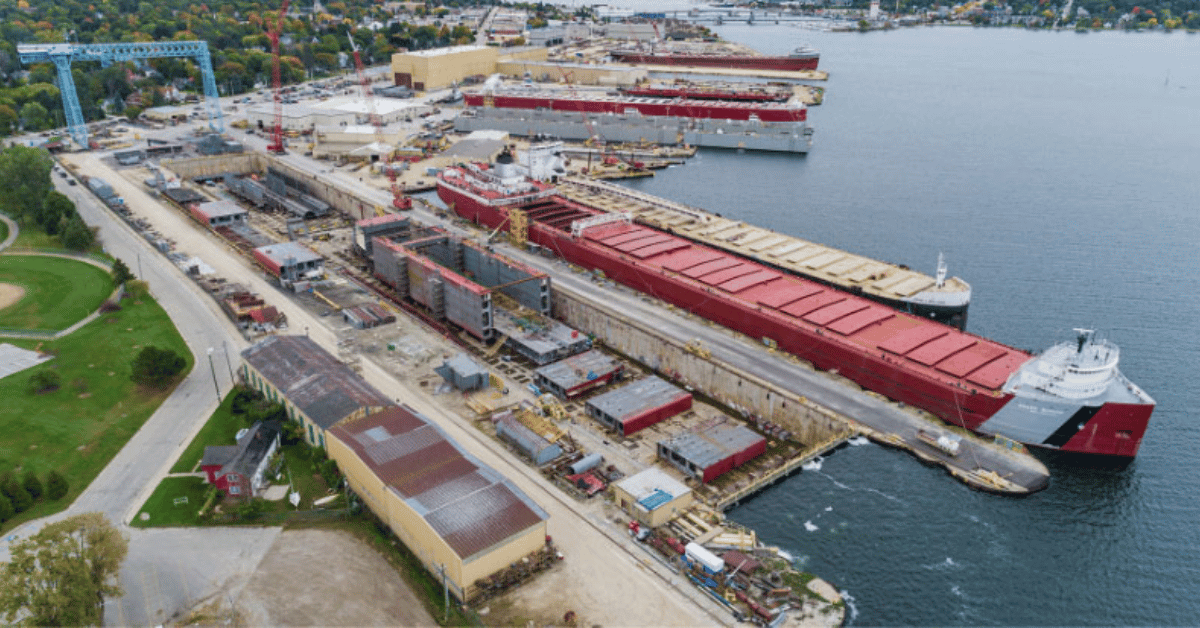
Fincantieri commits nearly €100 million to robotic shipyard intelligence
Nearly €100 million is a serious bet on a single question: can a shipyard think for itself? Fincantieri's BOOST² program plans to integrate AI, robotics, and automation across its facilities to sharpen productivity and safety. This is measurable industrial evolution, not speculative hype. The investment treats shipbuilding as an integrated data ecosystem where real-time intelligence drives every weld and hoist. For context on how digitalisation is reshaping maritime safety, read our coverage of the AI and digitalisation pact between China Merchants Energy Shipping and RINA.

Invasive Species Impact on Seagrass: Research Gaps and Ecosystem Concerns
Seagrasses are vanishing across most of their range, and invasive species are accelerating that loss. Our review of 73 studies confirms that invaders, from algae to bioturbators, overwhelmingly harm seagrass traits like shoot density, growth, and survival. Competitive disruption is the dominant mechanism, yet research remains skewed toward just two species and a few regions. These pressures compound with other anthropogenic stressors, hitting already weakened ecosystems hardest.
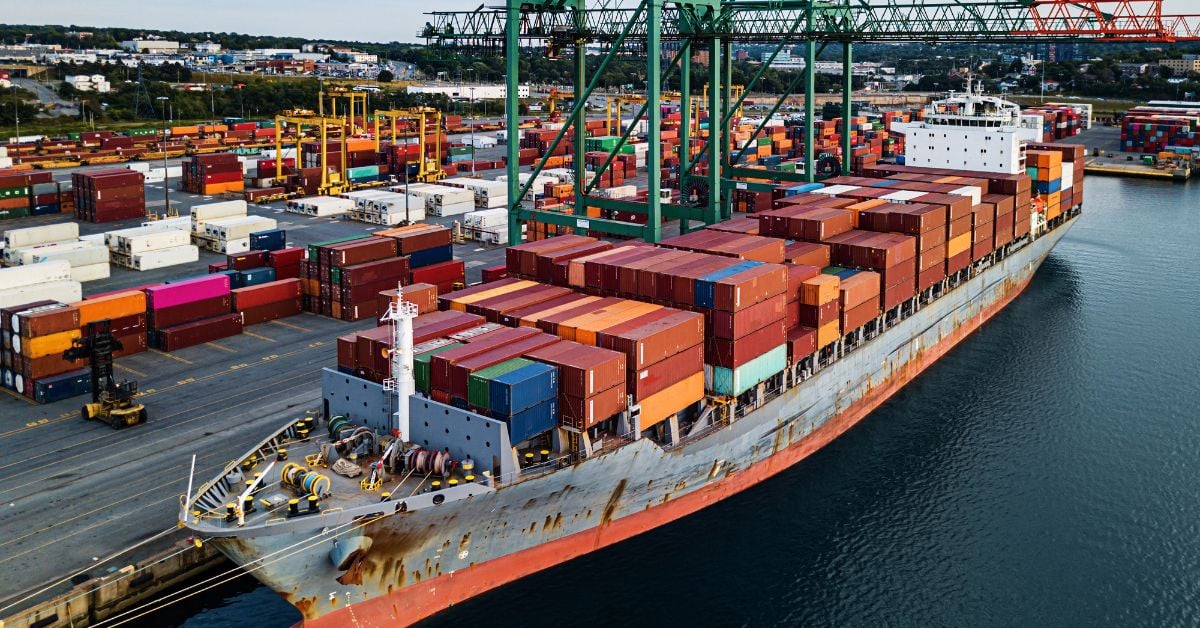
Strategic Automation: Smaller Ports Achieve Efficiency Incrementally.
A single gate. One system. A single problem solved. That is how smaller ports are approaching automation, and it is working. Incremental change delivers measurable gains without the risk of a full-scale overhaul. This pragmatic path matters as global trade shifts. For context on how much is at stake, China's record port activity shows the pressure building elsewhere. But here, the focus stays local. Strategic automation is not about doing everything at once. It is about starting, calibrating, and building real momentum from validated progress.