planetary science
World Data Ocean keeps planetary science in one place: 6 stories so far. The section currently leads with “JWST data reveals an unexpected ice world within the habitable zone”, “Ocean Potential Detected on Distant Exoplanet, Data Sparks Debate.”, and “Rapid Atmospheric Heating: Asteroid Dust’s Role in Dinosaur Extinction”. An ice world where we least expected it. A planet 124 light-years away may hold a global ocean beneath a hydrogen-rich atmosphere, and the data is already sparking debate. A Global Hub for Ocean Intelligence 4 World Data Ocean is a centralized digital platform where researchers, scientists, and ocean enthusiasts converge to… The list below is every planetary science story on World Data Ocean, newest first.
JWST data reveals an unexpected ice world within the habitable zone
An ice world where we least expected it. JWST data has revealed a frozen planet orbiting within the habitable zone, a finding that recalibrates our understanding of where life-sustaining conditions can exist. This is empirical observation challenging assumption. It reminds us that ocean intelligence extends beyond our own blue planet. For complementary insights into Earth's own dynamic systems, explore our coverage of the validated global atlas of ocean thermohaline structure. Understanding drives protection, whether in orbit or at depth.

Ocean Potential Detected on Distant Exoplanet, Data Sparks Debate.
A planet 124 light-years away may hold a global ocean beneath a hydrogen-rich atmosphere, and the data is already sparking debate. Webb has delivered two tentative hints of dimethyl sulfide, a gas tied to marine microbes on Earth, yet independent analyses dispute the find. That tension is the story: not certainty, but calibrated curiosity. We read this as a reminder that ocean intelligence grows through rigorous questioning. For context on how we assess such systems, our World Ocean Assessment coverage offers a grounded counterpoint.
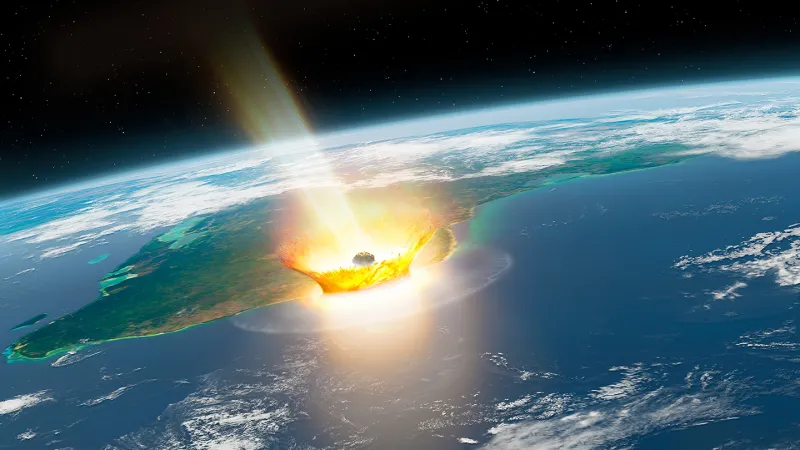
Rapid Atmospheric Heating: Asteroid Dust’s Role in Dinosaur Extinction
Within minutes of impact, debris began heating Earth's atmosphere, and fine dust trapped that heat. The result was a rapid, lethal spike in global temperatures. This mechanism, not the blast alone, may have killed the dinosaurs quickly. It is a stark reminder that extinction can arrive with terrifying speed. For a broader view of how Earth's systems respond to sudden change, see our coverage of the Cascadia Subduction Zone's fragmented tectonic process.
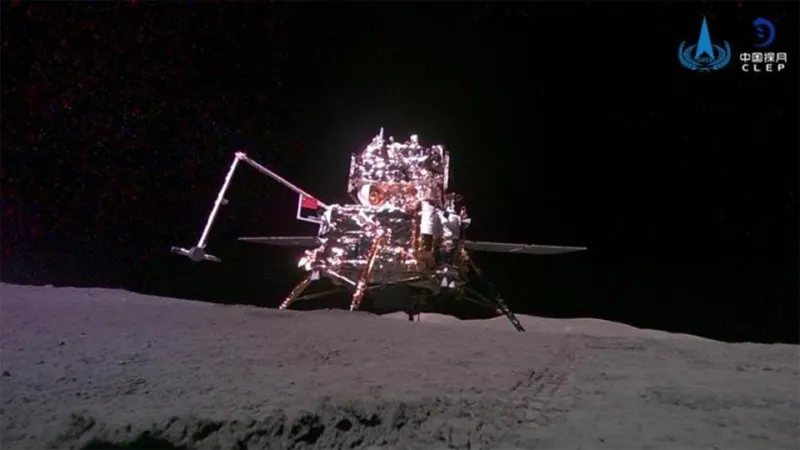
Farside Moon Rocks Reveal a More Complex Early Bombardment History
New lunar samples from the far side are complicating the Moon's impact story. Earlier rocks, including Apollo's, appear heavily shaped by a single event. These farside specimens suggest a more layered bombardment history than we modeled. That matters: if our timeline is off, so are broader planetary assumptions. For readers tracking how we read deep-space records, the recent exoplanet ocean debate offers a parallel. Both remind us that one dataset rarely closes a question.
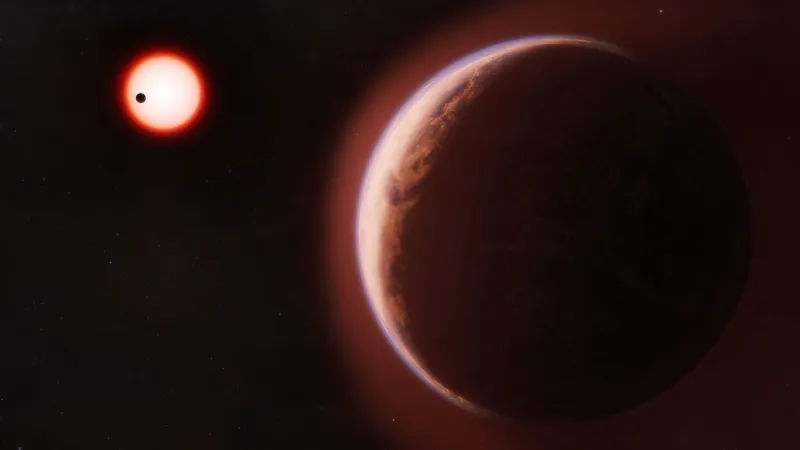
Helium Atmosphere Hints at Potential for Life on Rocky Exoplanet
A helium atmosphere on a rocky exoplanet is a rare and telling signal. Astronomers detected this tenuous envelope around a world beyond our solar system, and while it is not direct evidence of biology, it sharpens the search for life where it matters most. The finding validates our ability to probe distant atmospheres with increasing precision.
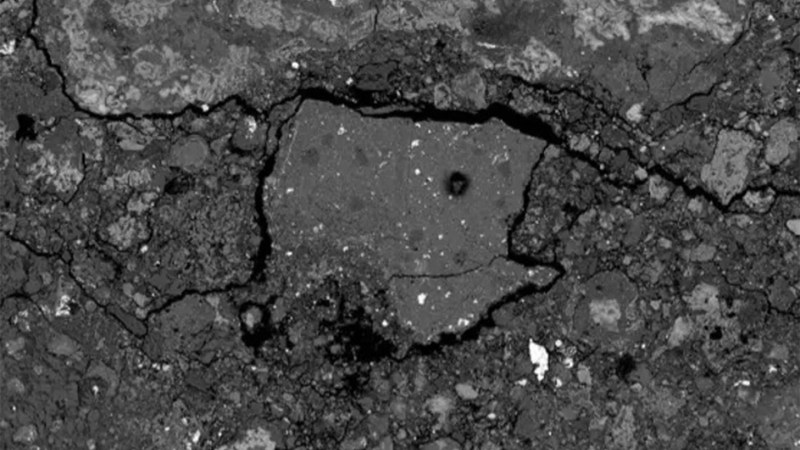
Meteorite Discovery: Amino Acids Hint at Life's Origins.
A single meteorite that crashed through a New Jersey roof in 2024 carries more than cosmic debris; it holds amino acids formed in brine, molecules that may explain how life's building blocks arrived on Earth. The discovery is compelling because it links planetary chemistry to our own origins. We're watching a rock rewrite a fundamental question about life's start. For readers tracking similar breakthroughs, our piece on fossilized dinosaur traits offers another glimpse into survival's deep history.