payload
payload at World Data Ocean is a file of 4 stories. The newest of them: “Connecting 80 Percent of Shores Through Validated Ship-to-Shore Craft”, “Mesh-networked USV engages aerial drone in validated maritime combat”, and “A mothership for underwater drones signals a new era in ocean intelligence”. A $230 million contract from the U.S. A mesh-networked unmanned surface vessel has demonstrated validated maritime combat by shooting down a Russian Shahed-type drone. A Global Hub for Ocean Intelligence 4 World Data Ocean is a centralized digital platform where researchers, scientists, and ocean enthusiasts converge to… The list below is every payload story on World Data Ocean, newest first.
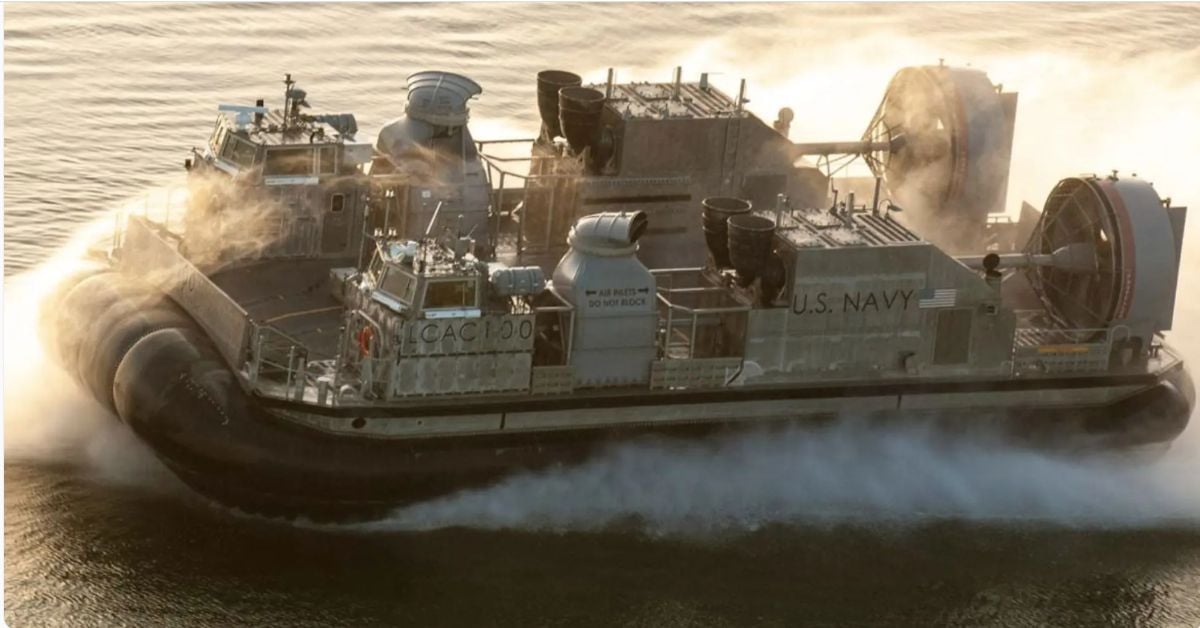
Connecting 80 Percent of Shores Through Validated Ship-to-Shore Craft
A $230 million contract from the U.S. Navy to Textron Systems Corporation will deliver two validated ship-to-shore connector craft built at the New Orleans shipyard. This investment connects 80 percent of shores through proven, integrated maritime technology. Measurable capability meets real-time operational need. For deeper context on naval readiness, see our coverage of the USS *Arleigh Burke*'s first Spanish dry dock maintenance, a parallel story of sustained forward-deployed engineering.
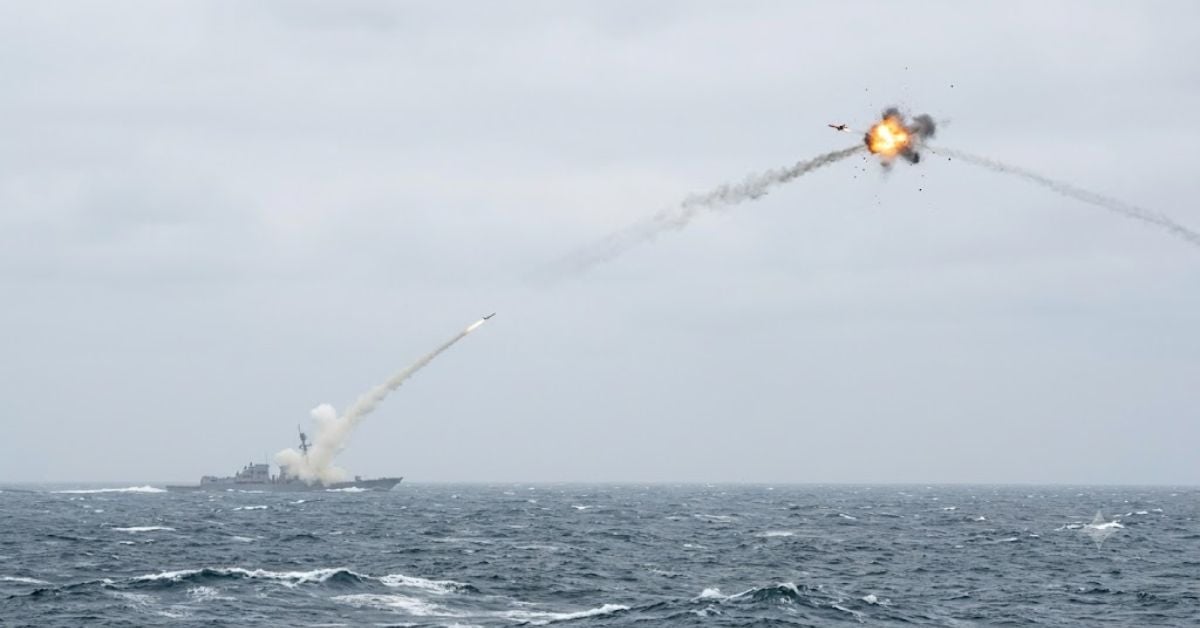
Mesh-networked USV engages aerial drone in validated maritime combat
A mesh-networked unmanned surface vessel has demonstrated validated maritime combat by shooting down a Russian Shahed-type drone. The Ukrainian Navy's Sargan-3000 operated through an integrated data ecosystem, proving that coordinated, real-time autonomy can deliver measurable results in contested waters. This is not abstract theory, it is empirical, peer-reviewed capability. Understanding drives protection. For deeper context on escalating Black Sea threats, see our coverage of the Bulgarian search for missing crew after a drone strike in its waters.
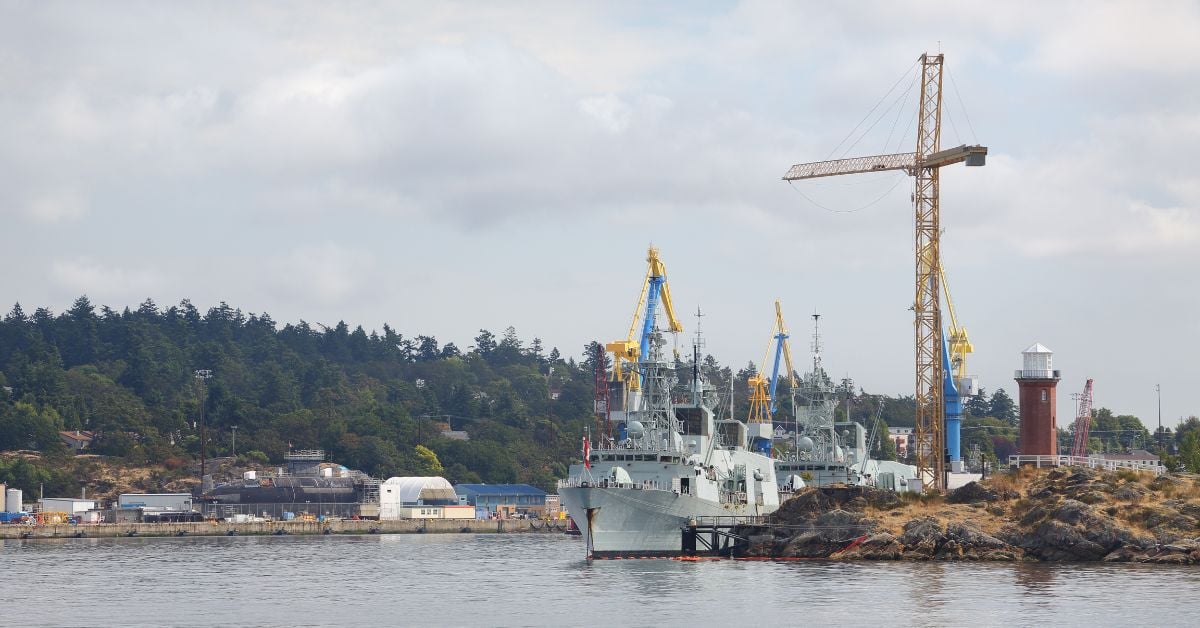
A mothership for underwater drones signals a new era in ocean intelligence
A 5,000-ton mothership designed to deploy underwater drones is taking shape in Beijing, signaling a new era in ocean intelligence. This vessel represents a calibrated leap in our capacity for real-time, integrated data collection from the sea. Understanding drives protection, and this platform promises to deliver the empirical, validated observations we urgently need. For deeper context on autonomous observation, see our coverage of the "4500-Meter Autonomous Robot Extends South China Sea Observation Reach."

Autonomous Vehicle Launches Payload Underwater, Marking a Technological Advance.
A submerged payload launch is a hard problem, and Raytheon and Composite Energy Technologies just demonstrated it with the HADALUS unmanned undersea vehicle. The test proves that autonomous platforms can handle complex, high-stakes operations below the surface without direct human control. That is a meaningful step for undersea warfare, where reliability is everything. For readers tracking broader progress, our coverage of the Navy's new integration center for autonomous systems offers useful context on where this technology is headed.