Pacific Ocean
World Data Ocean keeps Pacific Ocean in one place: 9 stories so far. The section currently leads with “Electric Vessel Embarks on Commissioning Journey to Uruguay.”, “Reduced Canal Crossings: Climate Impacts Threaten Global Trade Flows”, and “Hawaii Nudibranch Identification: Community Collaboration for Ocean Intelligence”. Hull 096 left Tasmania in early August, loaded aboard the MV Black Marlin after a multi-day operation on Hobart's River Derwent. Reduced canal crossings now stand at just 29 per day. A Global Hub for Ocean Intelligence 4 World Data Ocean is a centralized digital platform where researchers, scientists, and ocean enthusiasts converge to… The list below is every Pacific Ocean story on World Data Ocean, newest first.
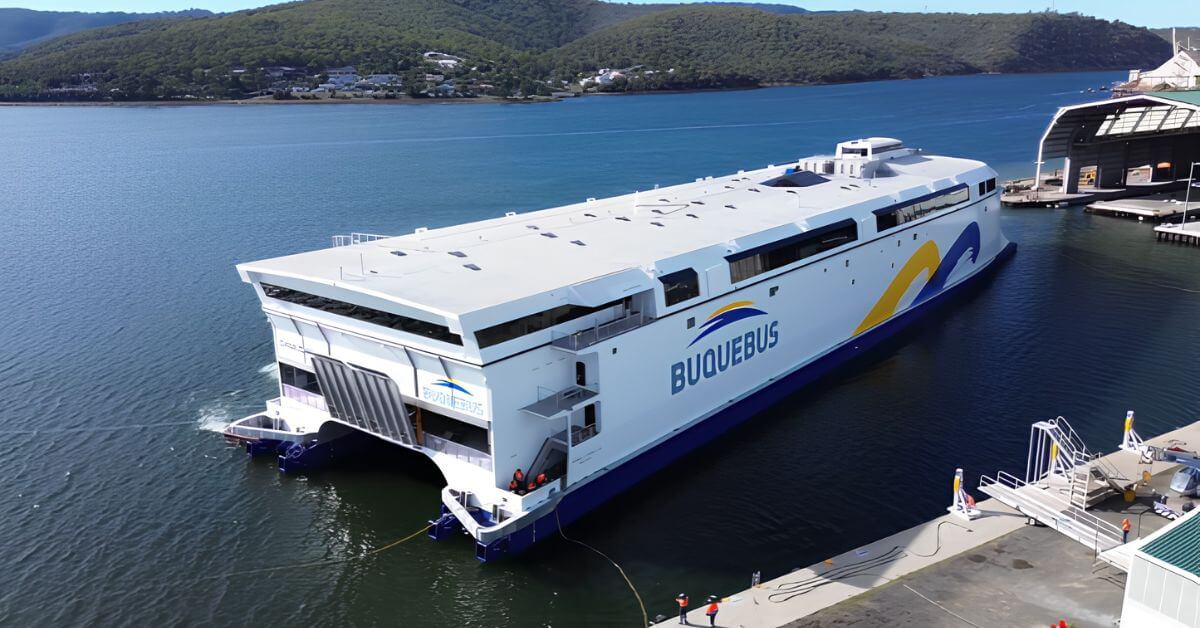
Electric Vessel Embarks on Commissioning Journey to Uruguay.
Hull 096 left Tasmania in early August, loaded aboard the MV Black Marlin after a multi-day operation on Hobart's River Derwent. The electric vessel now embarks on its commissioning journey to Uruguay, a transit that turns a routine departure into a measurable step for marine electrification. We track such movements closely because logistics reveal intent. For related work on marine ecosystems, see our piece on sea star collection in Port Phillip Bay. Every voyage carries weight, on water and off it.
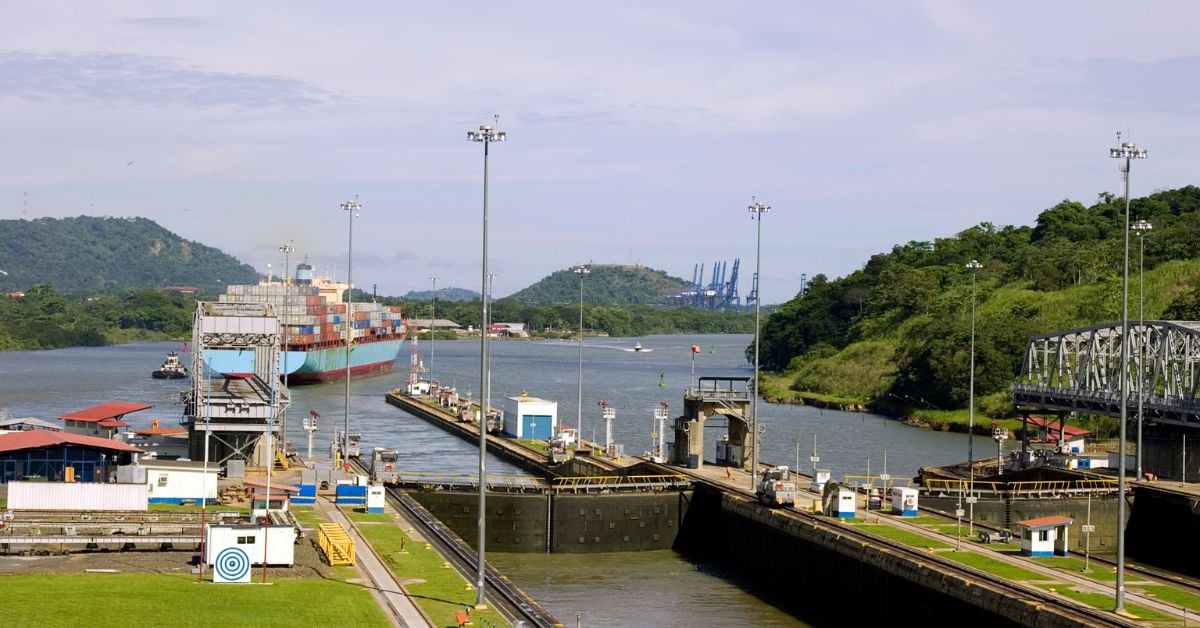
Reduced Canal Crossings: Climate Impacts Threaten Global Trade Flows
Reduced canal crossings now stand at just 29 per day. Drought and low rainfall are tightening the Panama Canal's capacity, a measurable strain on global trade flows that demands empirical attention. This is not an isolated pressure point. Our coverage of "Russia Calibrates Export Revenue for Northern Sea Route Icebreaker Fleet" shows how nations are already recalibrating infrastructure in response. Climate indicators are reshaping maritime logistics. Understanding these integrated disruptions is the first step toward protecting the systems we depend on.

Hawaii Nudibranch Identification: Community Collaboration for Ocean Intelligence
A single photograph from a friend in Hawaii, and a few careful questions about its appearance, narrowed the search to a nudibranch. That is how ocean intelligence often begins: not with a lab, but with curiosity and a willingness to ask. Community-led identifications like this one build a shared foundation for understanding marine biodiversity. It is a small, precise step toward the larger goal of documenting what lives beneath the surface.

El Niño Drought Restricts Panama Canal Vessel Traffic.
The Panama Canal Authority has restricted daily vessel crossings, a direct response to drought-like conditions driven by El Niño. This is a practical, measured adjustment to a pressing climate reality. The waterway's reliability depends on predictable rainfall, and its absence demands immediate operational recalibration. It is a reminder that infrastructure, however advanced, remains tethered to environmental stability. For broader context on this phenomenon, our article on El Niño's unprecedented ocean warming offers critical insight.

SLNC York Crew Rescued After Water Ingress in Pacific
The crew of the U.S.-flagged SLNC York is safe after the vessel began taking on water mid-Pacific, with operator Schuyler Line Navigation Company confirming the rescue. Swift action turned a perilous situation into a measured outcome, a reminder that reliable seamanship remains the backbone of maritime safety. We track these incidents closely because each one sharpens our understanding of ocean risk.

Panama Canal: A Century of Trade Navigates Evolving Climate Risks.
The Panama Canal recorded 10,623 deep-draft vessel transits in the first ten months of fiscal year 2026, according to the Panama Canal Authority. That volume underscores a century of trade resilience, yet the waterway now navigates a more volatile climate. We see this as a measure of both engineering endurance and growing environmental pressure. For context, our coverage of El Niño's unprecedented ocean warming offers a stark reminder of what drives such risks. The canal's operations remain a critical climate indicator.

Pacific Fishermen Seek Accountability After Drone Attack and Detention
Two attacks. Two months of silence from the authorities. Ecuadorian fishermen who survived drone strikes and detention in the Pacific Ocean this March are now demanding more than acknowledgment; they want identification and accountability. Justice is a measurable outcome, and so far, the data remains incomplete. This incident underscores why maritime security depends on transparent, peer-reviewed investigation. For deeper context on how uncrewed systems are reshaping ocean security, see our coverage of the US Navy's response to an Iranian attempt to intercept an autonomous Saildrone.

Autonomous Vessels Chart Ocean Depths in Navy Mapping Project
The U.S. Navy's selection of Boston-based Blue Water Autonomy to map ocean floors with uncrewed surface vessels marks a practical step forward in maritime intelligence. This is not flashy technology; it is calibrated, real-time data collection that strengthens navigational safety and operational awareness. The project reflects a growing trust in autonomous systems to perform precise, sustained work where crewed vessels face greater risk.

Unidentified Specimen Found in Cook Islands Sparks Ocean Data Inquiry
A single specimen, unidentified and lifeless, has surfaced in the Cook Islands, prompting a wave of curiosity that is exactly where inquiry should begin. The observer mused it resembled a Spanish Dancer nudibranch, though uncertainty rightly tempers that guess; even the possibility of a rare four-legged sea star nearby adds to the puzzle. Such observations fuel the integrated data ecosystem. For those tracking similar mysteries, our related piece, "Unexpected Chiton Discovery in Puerto Rico Challenges Species Distribution Models," offers parallel context worth exploring.