oxygen
7 stories filed under oxygen on World Data Ocean. The newest of them: “Phosphorus Cycles Shaped Earth's Oxygen Swings, Study Finds”, “Breathing phase alters reaction timing in sleep apnea trial finding”, and “A twelve-thousand-fossil record links oxygen to the rise of complex life”. Earth's atmosphere did not become oxygen-rich in a single, clean shift. Breathing in or out may be more than a reflex, it could be a hidden variable in reaction timing. A Global Hub for Ocean Intelligence 4 World Data Ocean is a centralized digital platform where researchers, scientists, and ocean enthusiasts converge to… The list below is every oxygen story on World Data Ocean, newest first.
Phosphorus Cycles Shaped Earth's Oxygen Swings, Study Finds
Earth's atmosphere did not become oxygen-rich in a single, clean shift. More than 2 billion years ago, oxygen levels swung repeatedly, and a new study in *Nature Communications* points to phosphorus as a central driver. By studying ancient South African rocks, UC Riverside researchers show how recycled nutrients fueled photosynthetic life, sometimes locking carbon into sediments and leaving oxygen behind. It is a calibrated reminder that planetary transitions are rarely linear.

Breathing phase alters reaction timing in sleep apnea trial finding
Breathing in or out may be more than a reflex, it could be a hidden variable in reaction timing. In a sleep apnea trial, scientists testing potential treatments found that how quickly people respond may shift with the respiratory cycle. It's a reminder that the body's rhythms hold sway over even our most basic cognitive outputs. The finding is preliminary, but it sharpens the case for measuring physiology's subtle cues.
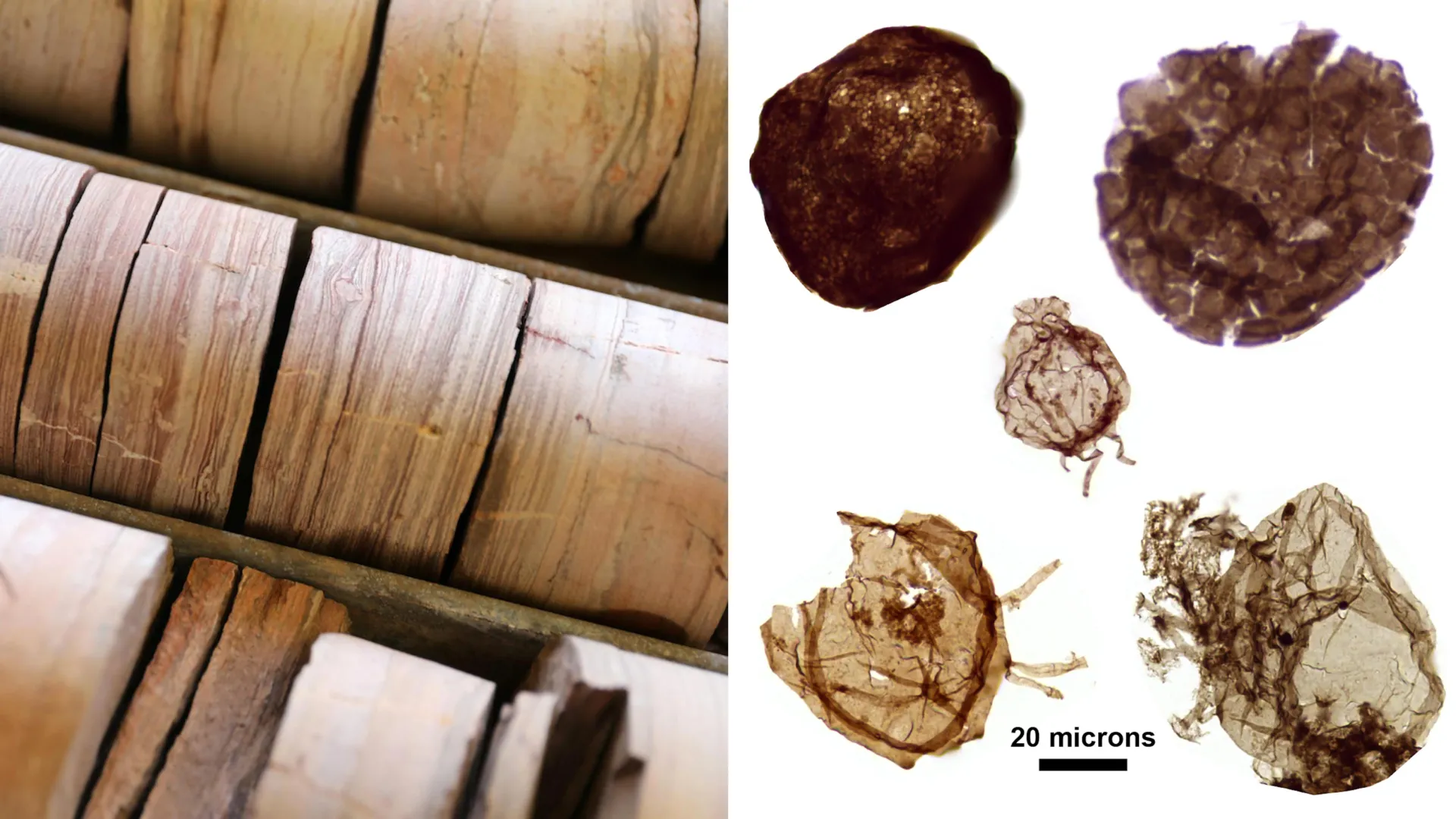
A twelve-thousand-fossil record links oxygen to the rise of complex life
Twelve thousand fossils from ancient Australian rocks now offer the most direct evidence yet that oxygen enabled complex life to emerge. These early eukaryotes flourished in coastal mudflats and open seas, but only where oxygen was present. Oxygen-free zones hosted only simpler microbes. This empirical record strengthens a long-held hypothesis with measurable, validated data. For deeper context on how environmental factors shaped early life, see our coverage of "Magma and microbial activity may rewrite a 2-billion-year-old carbon signal.
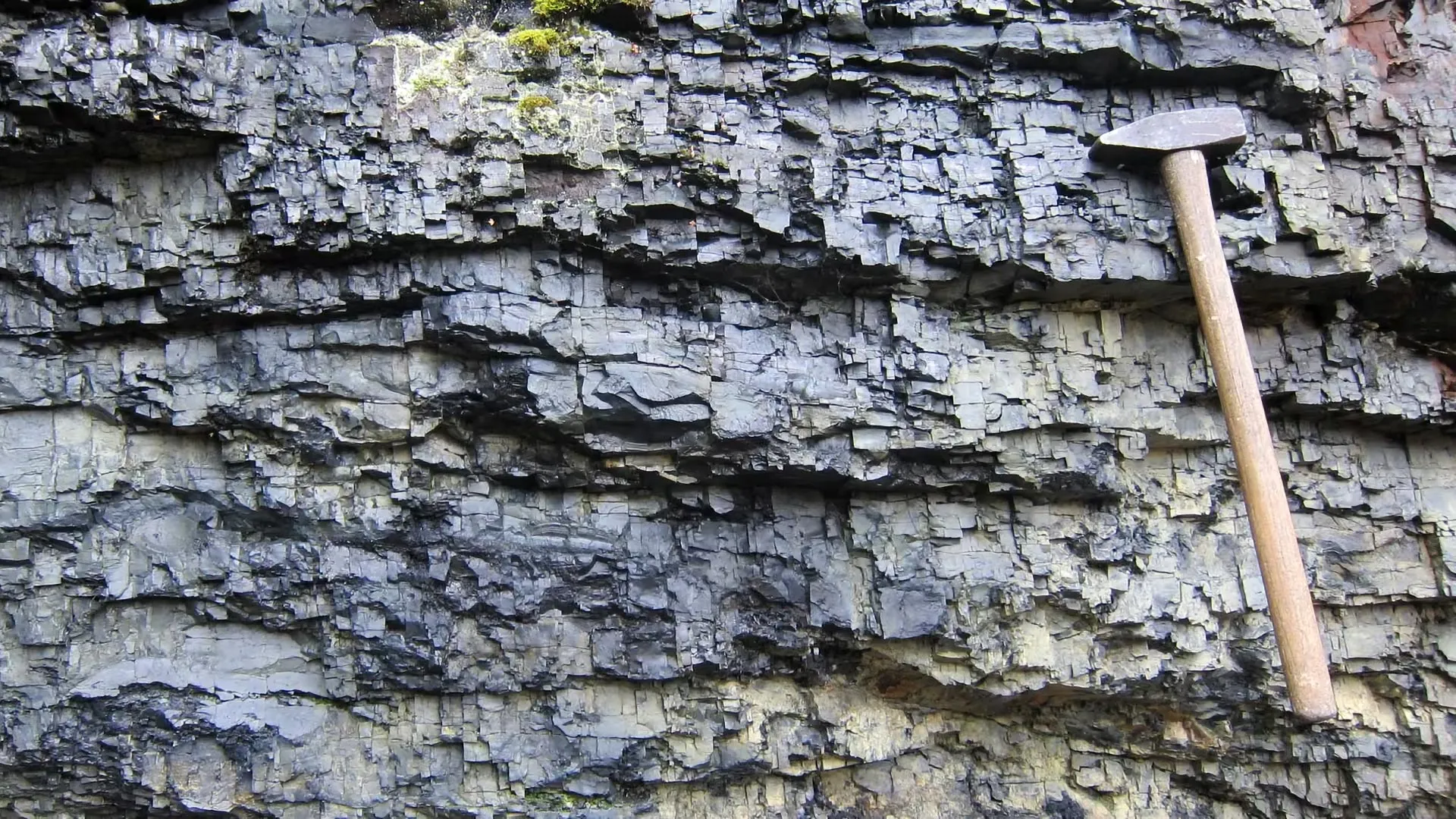
Magma and microbial activity may rewrite a 2-billion-year-old carbon signal
A 2-billion-year-old chemical signature, long read as a planetary turning point, may instead record a quieter, more local story. Scientists found that magma, hydrocarbons, and methane-eating microbes could have produced the signal, not a global shift in Earth's carbon cycle. That distinction matters. It asks us to revisit assumptions about oxygen's rise with calibrated caution. For more context on how Earth's systems respond to pressure, our piece on El Niño's unprecedented ocean warming offers a useful parallel. Understanding drives protection.
Ocean Oxygen Anomalies: Scientists Investigate Unexpected Deep-Sea Presence
Deep-sea oxygen anomalies are surfacing where none should exist, and the data demands attention. Scientists investigating this unexpected presence are recalibrating assumptions about how oxygen behaves below the mesopelagic zone. It is a reminder that our ocean intelligence remains incomplete, even as climate indicators sharpen. Findings like these reinforce why integrated data ecosystems matter; we cannot protect what we do not yet measure. Readers tracking related coastal mysteries may find our recent piece on the Oahu specimen a useful parallel.

Ocean Deoxygenation Accelerates, Threatening Life and Climate Stability
Oxygen is vanishing from the ocean, and from lakes, rivers, and coastal waters, at a rate that should sharpen our focus. This deoxygenation does not merely stress marine life; it erodes the natural systems that help stabilize Earth's climate. Scientists link this decline directly to warming, pollution, and ocean acidification, making it a compounding planetary threat. We treat this as a measured alarm: the evidence is empirical, and the need for integrated observation has never been clearer.
Ocean Heat and Oxygen Loss Linked to Ancient Marine Extinctions
Ancient marine extinctions carry a warning that reaches across millions of years. Ocean heat and oxygen loss, the same forces stressing today's seas, align with past die-offs in the fossil record. The study, published in PNAS, offers empirical grounding for what climate indicators already suggest. We treat this as more than a historical footnote, it is a calibrated measure of risk. For deeper context, our related piece on Cascadia's fragmented subduction zone shows how geological processes compound biological vulnerability.