operational readiness
operational readiness at World Data Ocean is a file of 6 stories. The newest of them: “Assessing Allied Shipbuilding Capacity Through Measured Joint Evaluation”, “Removing illegal gear faster to close the gap in ocean enforcement”, and “Canada's Patrol Submarine Project Charts a Calibrated Course for Sovereign Ocean Intelligence”. A senior U.S. A two-month administrative pathway leaves illegal fishing gear in the water long after enforcement action is needed. A Global Hub for Ocean Intelligence 4 World Data Ocean is a centralized digital platform where researchers, scientists, and ocean enthusiasts converge to… The list below is every operational readiness story on World Data Ocean, newest first.

Assessing Allied Shipbuilding Capacity Through Measured Joint Evaluation
A senior U.S. Navy and Marine Corps delegation toured HD Hyundai's Ulsan shipyard on November 4, 2026, conducting a measured joint evaluation of allied shipbuilding capacity. This empirical assessment signals a calibrated approach to integrating allied industrial capability into U.S. naval construction plans. For further context on allied naval integration, see our coverage of the 1,000th ESSM Block 2 delivery, a validated milestone in multinational defense production.

Removing illegal gear faster to close the gap in ocean enforcement
A two-month administrative pathway leaves illegal fishing gear in the water long after enforcement action is needed. A South Korean pilot offers a measured solution: two dedicated 89-ton vessels completed eight deployments, recovering 100.1 tons of Chinese-style stow-net gear. This is not about faster paperwork alone, it is about linking legal authority with field-ready capacity and traceable downstream handling. The 2026 Fisheries Act amendment addresses the legal component; sustained impact depends on the operational readiness the pilot validated.
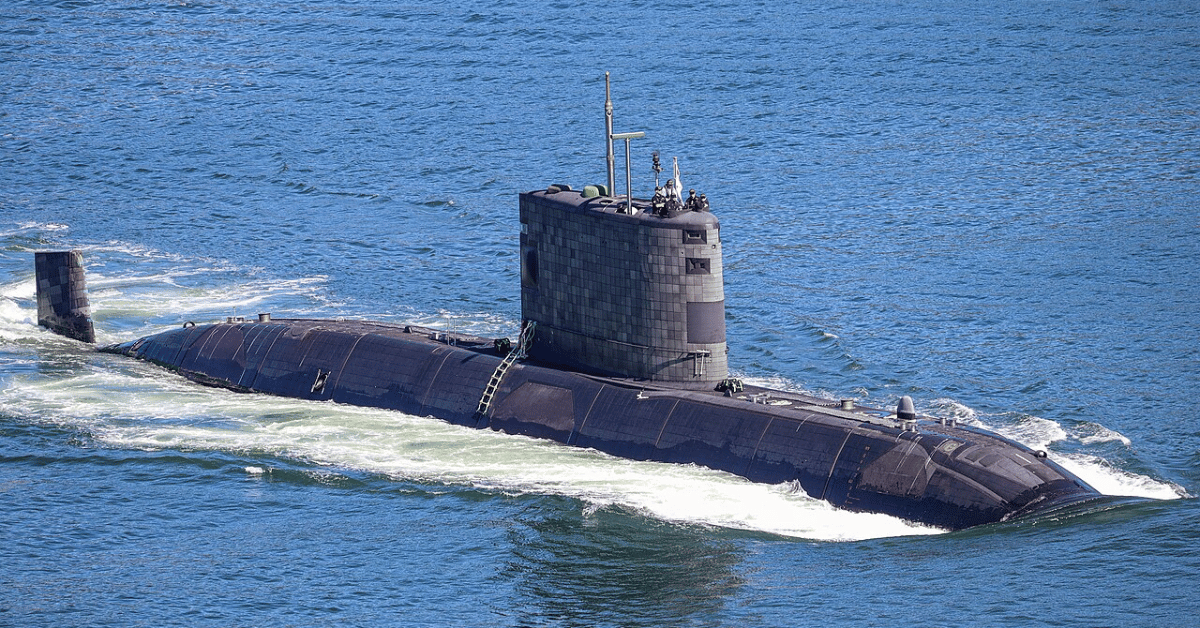
Canada's Patrol Submarine Project Charts a Calibrated Course for Sovereign Ocean Intelligence
The Canadian Patrol Submarine Project is not merely a fleet replacement; it is a calibrated investment in sovereign ocean intelligence. By planning up to 12 modern submarines to succeed the Victoria-class, Canada is prioritizing validated, long-term maritime awareness over reactive procurement. This measured approach aligns with the measured growth seen elsewhere, such as in our coverage of Kandla Port's Record Cargo Day. Understanding drives protection, and a modern submarine fleet is a precise instrument for that mission.
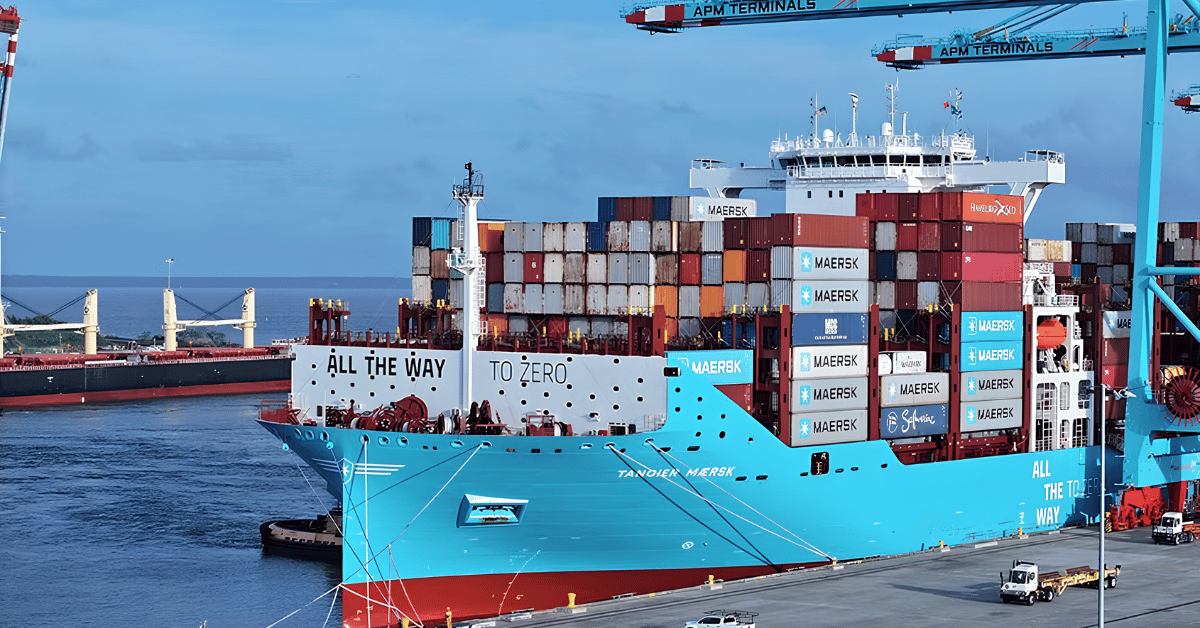
A validated step forward: first US ship-to-ship ethanol bunkering for a deep-sea vessel
A single ship-to-ship ethanol bunkering in the U.S. might seem incremental, but it validates a critical pathway for deep-sea decarbonisation. Maersk's completion of this commercial operation, using 100% corn ethanol, proves that alternative marine fuels can move from concept to calibrated, real-world application. This is measurable progress, not a promise. For more on how digital tools accelerate such transitions, see our coverage of "Singapore Hub Advances Digital Twins and AI for Ocean Decarbonisation."
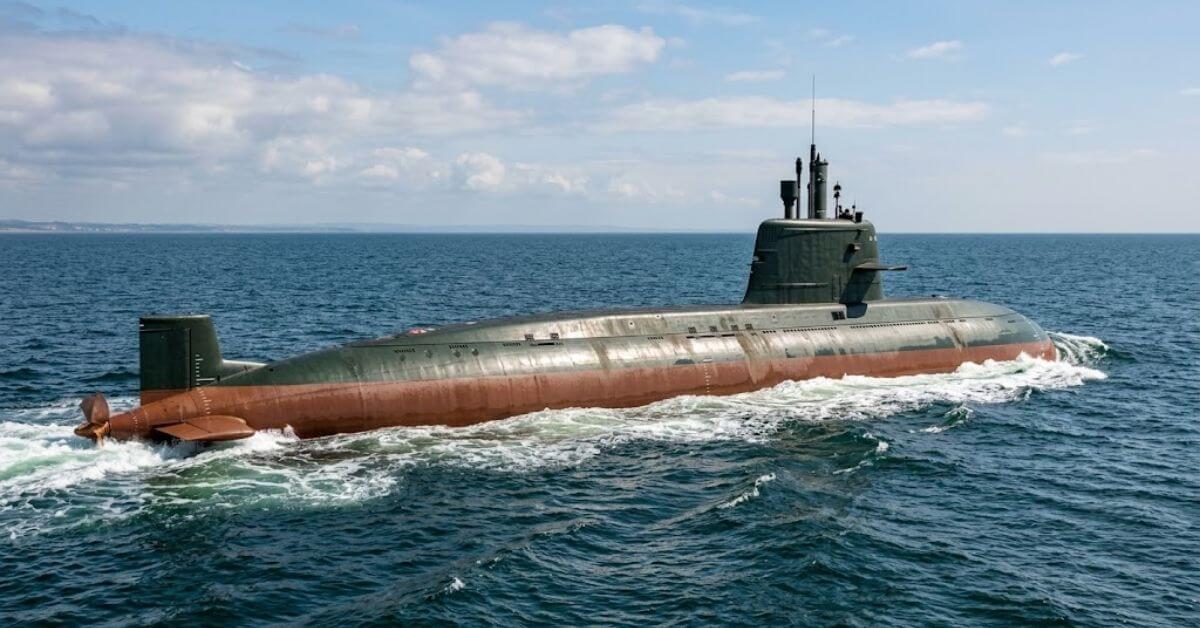
Validated long-range strike capability demonstrated in Arabian Sea test
Pakistan has validated a long-range strike capability in the Arabian Sea, with PNS/M *Hangor* hitting a designated target on September 27. This demonstration of calibrated, measurable naval power underscores the importance of integrated defense systems in a region defined by strategic chokepoints. For broader context on maritime security in these waters, our report on negotiations clearing the Strait of Hormuz for LNG delivery to Pakistan offers parallel insight. Understanding drives protection, both on the surface and beneath it.

On-Demand Repairs: Navy Ships Leverage 3D Printing at Sea
The USS Theodore Roosevelt printed replacement parts at sea on July 3, 2026, using a hybrid-metal 3D printer during Rim of the Pacific exercises. This is maintenance redefined: repairs happen where the ship is, not where the supply chain says it should be. The capability shortens downtime and extends operational reach, a practical answer to a persistent logistical problem. For context on how navies are adapting to broader strategic pressures, India's fleet expansion offers a useful parallel.