operational efficiency
6 stories filed under operational efficiency on World Data Ocean. The newest of them: “Vindnes and Vestnes: New Fallpipe Vessels Advance Subsea Rock Installation”, “Optimizing Container Terminal Efficiency Through Integrated Crane and Truck Coordination”, and “Advancing Sustainable Shipping: Ethanol-Fuelled Tanker Project Gains Momentum”. Van Oord's decision to name its two new 35,000-tonne flexible fallpipe vessels Vindnes and Vestnes signals a measured step forward in subsea rock installation. Container terminal efficiency hinges on the precise coordination of yard cranes and internal trucks, yet equipment waiting and prolonged operation times persist as constraints. A Global Hub for Ocean Intelligence 4 World Data Ocean is a centralized digital platform where researchers, scientists, and ocean enthusiasts converge to… The list below is every operational efficiency story on World Data Ocean, newest first.
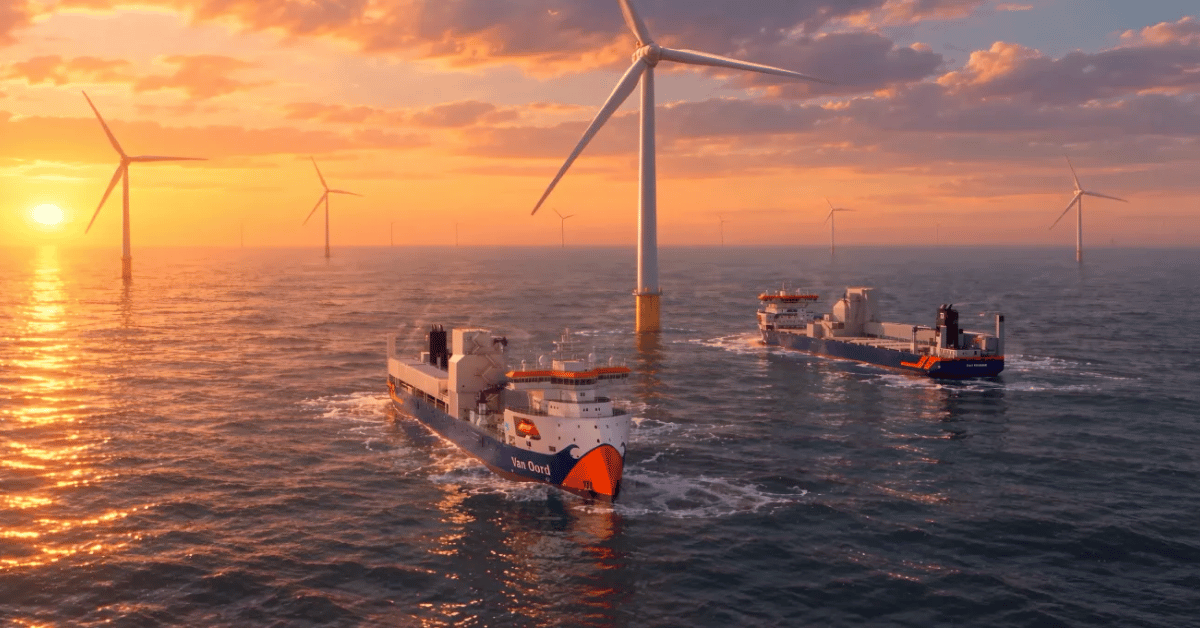
Vindnes and Vestnes: New Fallpipe Vessels Advance Subsea Rock Installation
Van Oord's decision to name its two new 35,000-tonne flexible fallpipe vessels Vindnes and Vestnes signals a measured step forward in subsea rock installation. Scheduled for delivery in 2028 and 2029, these ships will expand the capacity for precise, large-scale marine construction. The investment reflects a practical commitment to meeting rising demand for offshore energy infrastructure, where dependable seabed preparation matters.

Optimizing Container Terminal Efficiency Through Integrated Crane and Truck Coordination
Container terminal efficiency hinges on the precise coordination of yard cranes and internal trucks, yet equipment waiting and prolonged operation times persist as constraints. This study tackles that challenge directly, introducing a mixed-integer linear programming model optimized through the NoisyNet-A3C algorithm. The results are compelling: a 23.9% reduction in crane operation time and a 21.7% cut in truck waiting at Xiamen Port's Haitian Terminal. This validated, data-driven approach offers a practical pathway toward operational energy optimization and sustainable port logistics.
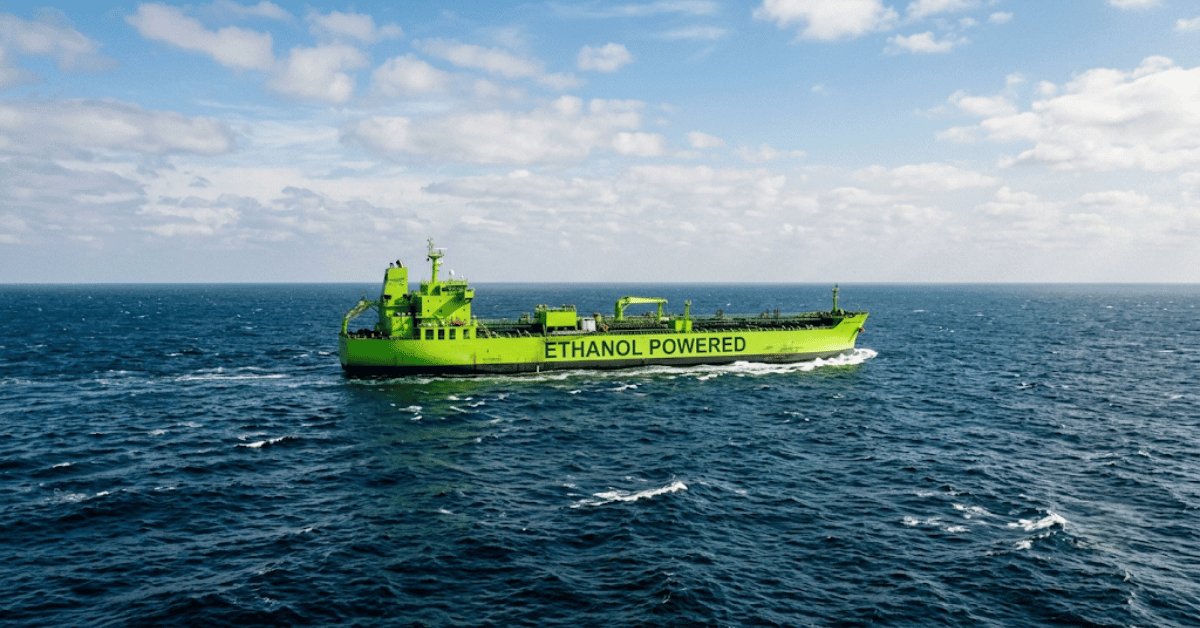
Advancing Sustainable Shipping: Ethanol-Fuelled Tanker Project Gains Momentum
A 50,000 dwt ethanol-fuelled MR tanker is moving from concept toward classification, with K Shipbuilding and Lloyd's Register now assessing feasibility ahead of an AiP. That is measured progress in a sector where fuel choice remains unsettled. Decarbonisation is not a single solution, and ethanol deserves scrutiny alongside LNG and ammonia. For context on alternative vessel design, our analysis of optimal LNG carrier capacity offers a useful comparison. We will follow this project's pathway to approval with interest.

Wind-Powered Data Hub Monitors Ocean Health in Real-Time, China.
In the South China Sea, the world's first wind-powered underwater data centre is now operational, marking a calibrated step toward integrating renewable energy with ocean intelligence. This is not a distant concept; it is a live, peer-reviewed example of how real-time climate indicators can be measured from the seabed. The innovation is purposeful, and its implications for global data ecosystems are significant.

Automated Mooring System Enhances Safety and Efficiency at Mumbai Port
At Mumbai Port, the introduction of an automated mooring system marks a practical step forward in reducing workplace risk. By removing the need for dockworkers to handle hazardous mooring lines, this technology directly addresses a persistent safety challenge. It is a measured, evidence-based improvement that prioritizes human well-being without overstating its impact. Operations become more efficient when the human error factor is minimized. For those tracking port modernization, this complements the operational coordination insights explored in our piece on container terminal efficiency.

AI Agents Accelerate Maritime Innovation at Marine Insight Summit 2026
Maritime innovation is moving from the theoretical to the practical. At the Marine Insight Summit 2026, AI Agents are taking center stage, with a partnership focused on role-specific tools designed to augment the human workforce. This is not about replacement; it is about calibration. The demonstrations will show how integrated, real-time intelligence can be applied directly to operational decisions. For context on how ports are evolving, our coverage of Paradip Port Designated a Mega Port offers a relevant look at infrastructure growth.