oil transport
World Data Ocean keeps oil transport in one place: 3 stories so far. The section currently leads with “2 million barrels of crude move beyond the Strait of Hormuz in a calibrated shift”, “Saudi Arabia Refutes Tanker Acquisition Claims Amid Rising Shipping Costs”, and “Ukraine’s Naval Strikes Target Russian Shipping, Disrupting Maritime Trade”. A calibrated movement of two million barrels of Iraqi crude has cleared the Strait of Hormuz, executed by the state-owned Iraqi Oil Tanker Company aboard a very large crude carrier. A Global Hub for Ocean Intelligence 4 World Data Ocean is a centralized digital platform where researchers, scientists, and ocean enthusiasts converge to… The list below is every oil transport story on World Data Ocean, newest first.
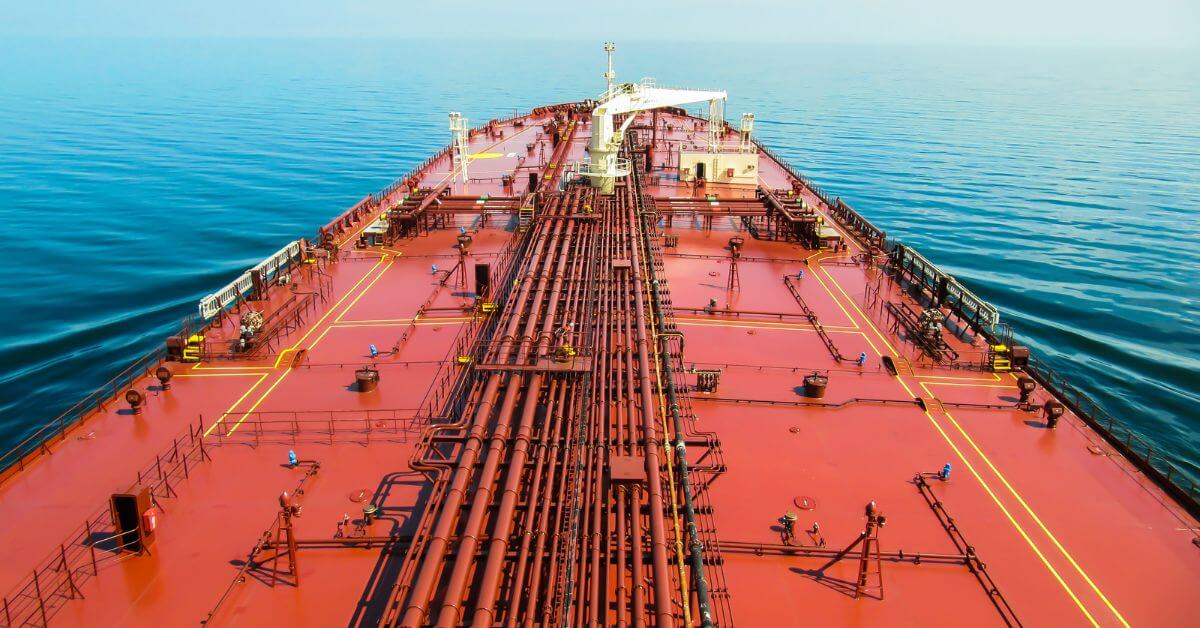
2 million barrels of crude move beyond the Strait of Hormuz in a calibrated shift
A calibrated movement of two million barrels of Iraqi crude has cleared the Strait of Hormuz, executed by the state-owned Iraqi Oil Tanker Company aboard a very large crude carrier. This is not a routine shipment; it is a measured exercise in strategic logistics. As naval defense evolves in the region, covered in our related reporting on laser deterrence, these shifts in energy transit demand the same empirical attention. Understanding drives protection.
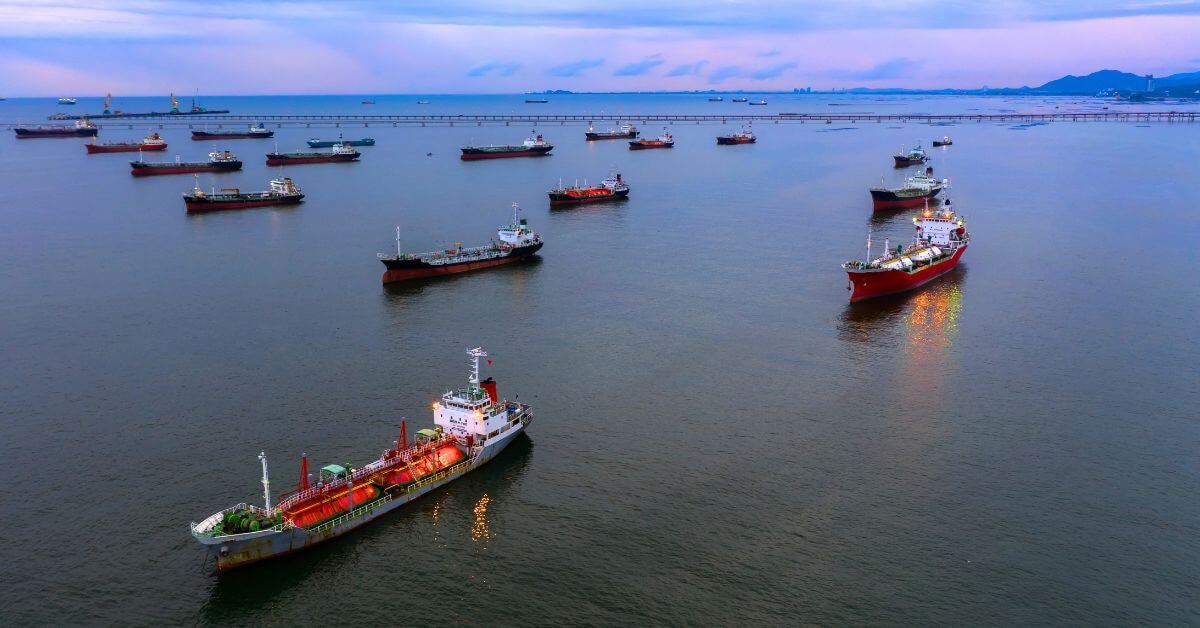
Saudi Arabia Refutes Tanker Acquisition Claims Amid Rising Shipping Costs
Saudi Arabia has denied reports it purchased 25 oil tankers for $4.5 billion, a claim Iraq linked to rising costs for shipping its crude. The denial carries weight in a region where maritime logistics already face intense pressure. With ship-to-ship transfers in the Gulf of Oman reportedly at full capacity, the stakes for transparent energy trade have rarely been higher. Measured communication matters here; the market is watching, and clarity supports stability.

Ukraine’s Naval Strikes Target Russian Shipping, Disrupting Maritime Trade
Ukraine's latest naval strikes hit five tankers, five dry cargo ships, and a tugboat under Operation "MoLoChKa," a direct challenge to Russian shipping lanes. The action underscores how maritime trade has become a battlefield lever, not just a logistical footnote. It is a calibrated escalation, measured in hulls and cargo holds, aimed at disrupting supply lines that fuel the war effort.