ocean data
549 stories filed under ocean data on World Data Ocean. The newest of them: “Ocean Data: A Foundation for Climate Action and Informed Stewardship”, “Container Ships Transit Strait of Hormuz, Marking Second Attempt”, and “eDNA: Unlocking Ocean Biodiversity with Microscopic Samples”. The report, "An Ocean of Opportunity for Data-Driven Climate Action" by Economist Impact, explores how leveraging integrated data ecosystems can enhance our understanding of ocean health and climate dynamics. On Monday morning, two Chinese container ships, the CSCL Indian Ocean and CSCL Arctic Ocean, successfully exited the Strait of Hormuz after a prior unsuccessful attempt. A Global Hub for Ocean Intelligence 4 World Data Ocean is a centralized digital platform where researchers, scientists, and ocean enthusiasts converge to… The list below is every ocean data story on World Data Ocean, newest first.

Ocean Data: A Foundation for Climate Action and Informed Stewardship
The report, "An Ocean of Opportunity for Data-Driven Climate Action" by Economist Impact, explores how leveraging integrated data ecosystems can enhance our understanding of ocean health and climate dynamics. It emphasizes the critical role of empirical research and real-time data in informing effective policy decisions and fostering global collaboration. By highlighting innovative approaches to ocean stewardship, this report underscores the urgency for collective action in addressing climate change. It serves as a call to harness ocean intelligence for sustainable solutions and measurable impact.
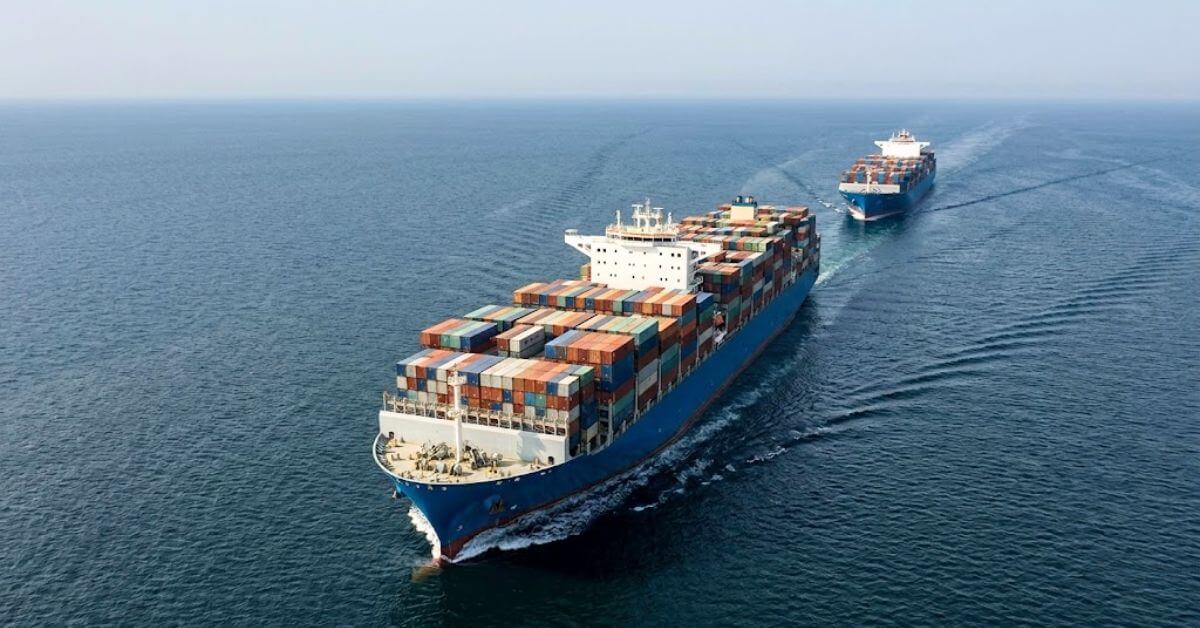
Container Ships Transit Strait of Hormuz, Marking Second Attempt
On Monday morning, two Chinese container ships, the CSCL Indian Ocean and CSCL Arctic Ocean, successfully exited the Strait of Hormuz after a prior unsuccessful attempt. The vessels, which had been anchored in waters off Dubai, resumed their journey, highlighting the complexities of maritime navigation in this strategically significant region. Their transit underscores the importance of efficient shipping routes and the challenges faced by commercial fleets in ensuring timely delivery amidst fluctuating conditions. This development reflects ongoing maritime operations critical to global trade.
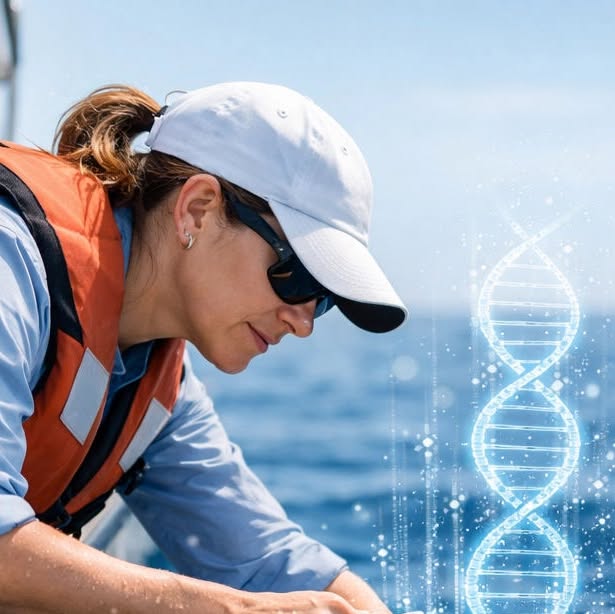
eDNA: Unlocking Ocean Biodiversity with Microscopic Samples
Did you know that a single 1.5-liter water sample can provide more insights into ocean biodiversity than traditional net surveys? Welcome to the transformative world of environmental DNA (eDNA) analysis. At World Data Ocean, we are harnessing these innovative datasets to empower researchers and policymakers in mapping thousands of marine species with unmatched accuracy. By utilizing advanced technology, we are enhancing the efficiency and accessibility of marine science, enabling real-time monitoring of ecosystem health and the discovery of elusive deep-sea life.
Ocean Heat Records Amplify Climate Disaster Risks, Data Validates.
Record ocean heat levels are driving an increase in climate-related disasters, highlighting the urgent need for comprehensive monitoring and action. Recent data reveals a concerning correlation between rising sea temperatures and intensified weather events, emphasizing the critical role of ocean health in global climate stability. As these profound impacts unfold, understanding the empirical evidence behind this phenomenon becomes essential for policymakers, researchers, and the public alike.
Measuring Ocean Plastic Accumulation: A Global Data Perspective
Plastic waste in the oceans poses a significant threat to marine ecosystems and human health. As documented by Our World in Data, the accumulation of plastic pollution has reached alarming levels, impacting biodiversity and food chains. This data underscores the urgent need for collaborative global efforts to address plastic production, waste management, and environmental stewardship. By integrating real-time data and empirical research, we can better understand the scope of the issue and drive effective solutions to protect our oceans for future generations.
Ocean Temperatures Reached Record Highs in 2019, Validated by Data.
In 2019, global ocean temperatures reached unprecedented levels, highlighting a critical trend in climate change. Data published by The New York Times underscores the urgency of understanding these shifts, as rising temperatures impact marine ecosystems and weather patterns worldwide. This record-setting year serves as a crucial indicator of the ongoing climate crisis, emphasizing the need for integrated data ecosystems and collaborative efforts in ocean stewardship. Addressing these findings is essential for fostering informed action to protect our oceans and mitigate climate impacts.
Mapping the Ocean Floor: A New Era of Ocean Intelligence.
A groundbreaking initiative has utilized big data to create comprehensive maps of the world's ocean floor, significantly enhancing our understanding of underwater ecosystems. This project employs advanced technology to collect and analyze vast amounts of oceanographic data, revealing critical insights into marine habitats and geological structures. By integrating real-time information and validated research, these maps serve as essential tools for ocean stewardship and climate monitoring.

Expanding Ocean Literacy: A Review of Informal Education Approaches
The health of the ocean is vital for human well-being, yet it faces increasing threats from human activities. To foster an ocean-literate society capable of addressing these challenges, the Ocean Literacy Guide was created for K-12 educators. However, informal learning experiences outside traditional classrooms are crucial for ocean education. Our systematic literature review examines global informal ocean science education efforts, revealing their alignment with the Ocean Literacy Guide.
Ocean Warming Amplifies Seismic Activity Through Wave Energy.
Global warming has profound implications not only for our climate but also for seismic activity across the planet. Recent seismic data reveals that as ocean temperatures rise, the strength of ocean waves is increasing, potentially altering the dynamics of Earth’s crust. This phenomenon highlights the intricate relationship between climate change and geological processes. Understanding these trends is crucial for developing effective strategies for ocean stewardship and mitigating the impact of climate change on both marine ecosystems and human communities.
Mapping Life: Distribution Across Oceans, Land, and the Deep Subsurface
Understanding how life is distributed across various environments, including oceans, land, and the deep subsurface, is crucial for comprehending our planet's biodiversity. This analysis from Our World in Data explores the intricate relationships between different ecosystems and the organisms that inhabit them. By examining empirical data and validated research, we can gain insights into the factors influencing life distribution and its implications for climate resilience and conservation efforts. This knowledge fosters a collective responsibility towards sustainable stewardship of our diverse environments.
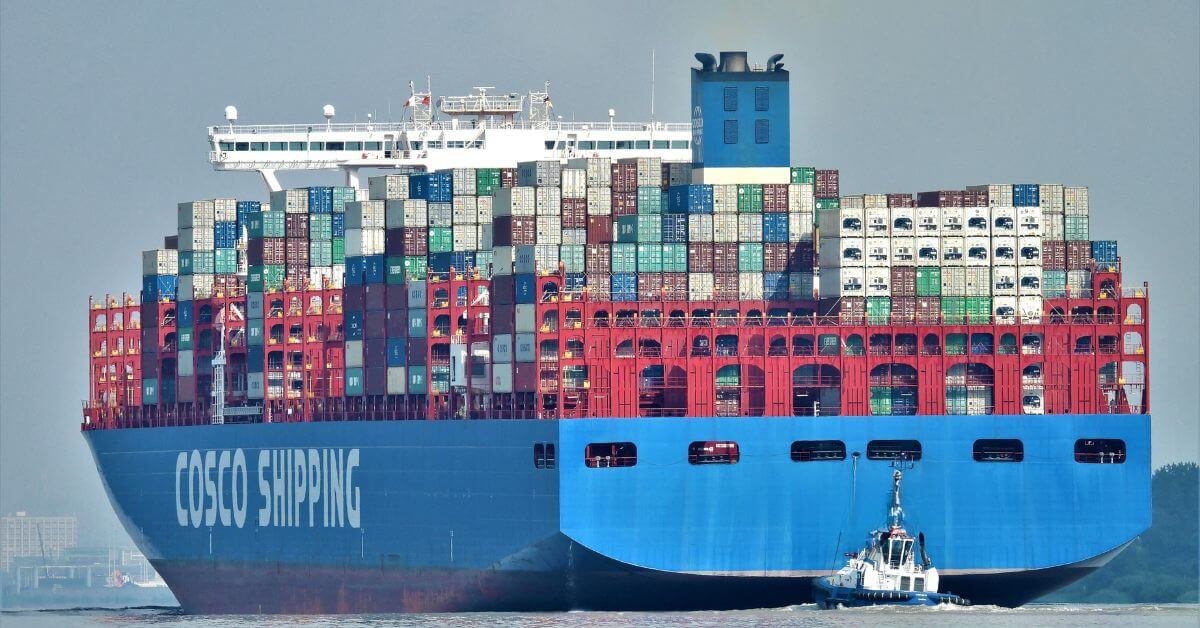
China's Container Ships Halt Strait of Hormuz Transit Amid Geopolitical Tension
Two large Chinese container ships have turned back after attempting to transit through the Strait of Hormuz, despite Iran's assurances that vessels from friendly nations, including China, would be allowed passage. This unexpected decision raises questions about maritime security and geopolitical dynamics in the region. The Strait of Hormuz is a crucial waterway for global trade, and any disruptions could have significant implications for international shipping and economic stability. Observers will be closely monitoring the situation as tensions in the area continue to evolve.
Global Ocean Data: A New Census of Planktonic Foraminifera Revealed.
The FORCIS database represents a groundbreaking global census of planktonic Foraminifera, providing essential insights into oceanic ecosystems. This comprehensive resource compiles validated, peer-reviewed data from diverse marine environments, enabling researchers and policymakers to monitor and analyze the health of our oceans. By integrating real-time observations and empirical findings, FORCIS enhances our understanding of climate indicators and their implications for marine biodiversity. This innovative database serves as a critical tool for advancing ocean stewardship and fostering global collaboration in addressing pressing environmental challenges.
Unlocking Ocean Secrets: Data, Islands, and the Pursuit of Knowledge.
In "Secret Data, Tiny Islands and a Quest for Treasure on the Ocean Floor," published in 2022 by The New York Times, the intricate relationship between ocean exploration and environmental stewardship is unveiled. Innovative technologies and collaborative efforts employed to uncover hidden treasures beneath the waves are delved into, while simultaneously addressing the pressing need for sustainable ocean management.
Real-Time Ocean Data Empowers Smarter, More Sustainable Fishing.
Introducing Seafarer: a groundbreaking platform transforming the commercial fishing experience by integrating real-time ocean intelligence with your invaluable on-water expertise. In collaboration with Scoot Science and Blue Ocean Gear, Deckhand brings together electronic logbooks, Smart Buoys, and critical ocean data into a cohesive system. Seafarer empowers fishermen with precise trip forecasts, seamlessly links catch records to environmental data, and uncovers the patterns driving your best hauls. Join the waitlist or participate in our pilot program to enhance your strategies and fish more sustainably.
Mapping the Ocean Floor: A New Era of Ocean Intelligence.
The University of Sydney is pioneering efforts to map the world's ocean floor using advanced big data techniques. This innovative project aims to create comprehensive, high-resolution maps that enhance our understanding of marine ecosystems and geological features. By integrating diverse datasets and leveraging cutting-edge technology, researchers are generating valuable insights into ocean health and climate indicators. This initiative not only supports scientific research but also fosters global collaboration for effective ocean stewardship, emphasizing the importance of protecting our planet's vital resources for future generations.
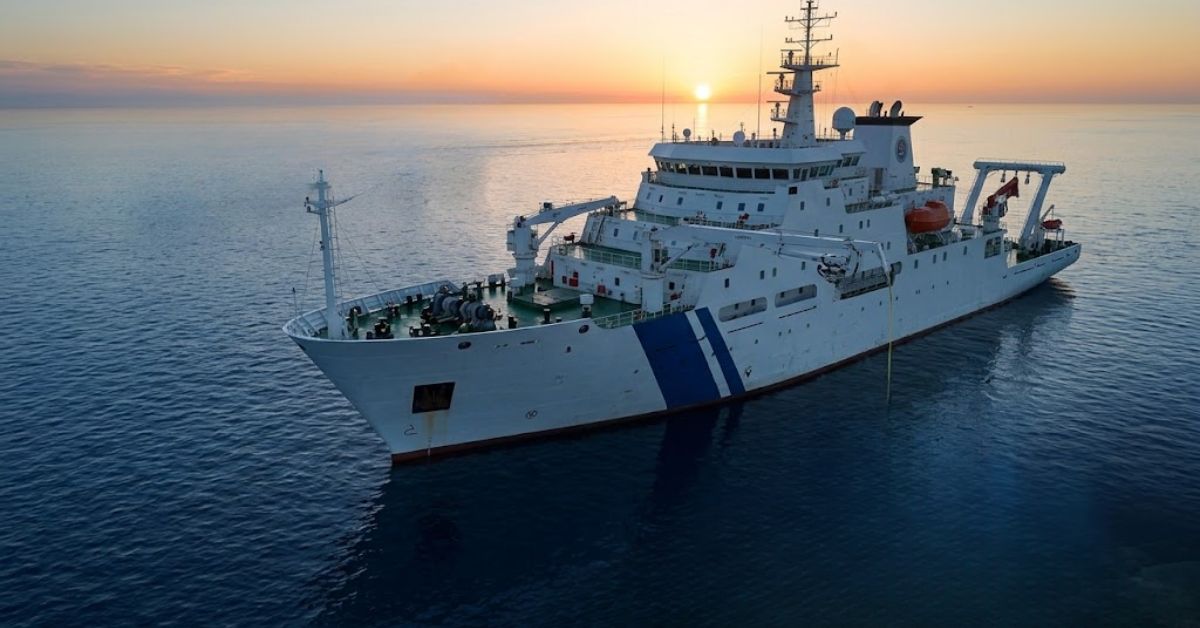
China’s Ocean Sensor Network: Implications for Submarine Operations.
China's strategic expansion in the maritime domain is underscored by its extensive network of underwater sensors in the Indian and Pacific Oceans. This initiative aims to enhance the surveillance capabilities of its modern submarine fleet, which is among the largest globally. By deploying these advanced technologies, China seeks to neutralize the stealth advantages of U.S. submarines, thereby reshaping the balance of power in crucial maritime regions. This development highlights the growing importance of underwater intelligence in contemporary naval warfare and international security dynamics.
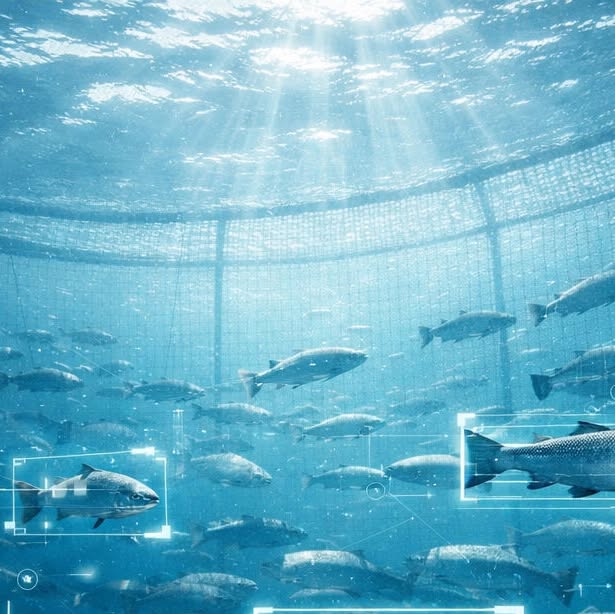
AI-Powered Fish Counts: Transforming Aquaculture Through Data-Driven Insights
The $128 million shift marks a transformative moment in aquaculture, where manual fish counting has become obsolete. Thanks to our Blue Ocean Data Solutions and Industrial Revolution 4.0 assessments, we empower industrial partners to implement AI machine vision technology that addresses the counting problem in real-time. This innovation enhances precision feeding, health monitoring, and operational efficiency, revolutionizing the industry. When data meets the depths of the ocean, remarkable insights emerge.
Global Wave Climate Projections: A Calibrated, Integrated Data Ecosystem.
This study presents a comprehensive ensemble of ocean wave climate projections derived from CMIP5-driven models, offering critical insights into future wave patterns and their implications for coastal ecosystems and human activities. By integrating robust, peer-reviewed data, this research enhances our understanding of wave dynamics in the context of climate change. These projections are essential for informing policy decisions and developing adaptive strategies to mitigate the impacts of climate variability on ocean health and coastal resilience.
Bridging the Southern Ocean Data Gap for Climate Insights
Scientists are increasingly concerned about the Southern Ocean, often referred to as a "data desert," as it lacks the comprehensive research necessary to understand the profound changes occurring in this critical region. As climate change accelerates, the urgency to fill this knowledge gap has never been greater. The Southern Ocean plays a vital role in regulating global climate and ocean health, and understanding its dynamics is essential for effective stewardship.
Ocean Plastics: A Century of Accumulation and Future Projections
The report "Macroplastics in the Surface Ocean, 1950 to 2050" by Our World in Data provides a comprehensive analysis of the increasing prevalence of macroplastics in marine environments over the past seven decades. It highlights the empirical data collected through validated research, illustrating trends and projections that underscore the urgent need for effective ocean stewardship.
WOCE Data Reveals Key Ocean Circulation Patterns and Processes.
The World Ocean Circulation Experiment (WOCE) provides invaluable hydrographic data that enhances our understanding of large-scale mass transports, water mass formation, and diffusivities in the oceans. This publication from AGU highlights key findings derived from extensive empirical analyses, offering insights into the dynamics of ocean circulation. By employing validated methodologies, the study underscores the significance of these processes in regulating climate and supporting marine ecosystems.
Deep Ocean Temperatures Remain Stable, NASA Data Reveal
Recent NASA data reveals that the Earth's deep ocean has not experienced warming, challenging prevailing assumptions about climate change's impact on marine environments. This finding, based on extensive empirical research, underscores the complexity of oceanic systems and highlights the need for continued scientific inquiry. By integrating long-term, validated data, researchers aim to enhance our understanding of climate indicators and their implications for ocean health. This study emphasizes the importance of ongoing collaboration in ocean science to inform effective stewardship and policy decisions.
Ocean Alkalinity Shifts Revealed Through Satellite Data Analysis
This study examines global variability and changes in ocean total alkalinity utilizing data from the Aquarius satellite. By analyzing longitudinal measurements, the research provides empirical insights into how alkalinity levels are shifting across various oceanic regions. Total alkalinity is a critical climate indicator, influencing carbon cycling and ocean health. The findings underscore the importance of integrated data ecosystems in understanding ocean chemistry, highlighting the necessity for coordinated global efforts in monitoring and managing oceanic changes effectively.
Understanding Turbulence: Refining Richardson Number Scales for Ocean and Lab Studies
This study explores the applicability of the gradient Richardson number (Ri) in assessing stratified shear turbulence across various scales, emphasizing its critical value of ¼. While traditionally associated with small-scale turbulence, the research identifies a fundamental shear length scale, lS, that provides a framework for understanding Ri's validity in larger contexts. By evaluating this range against existing data, the findings suggest that turbulence intensity is heightened in thin layers and highlight the significance of Reynolds number (Re) in stratified turbulence.