neuroscience
neuroscience at World Data Ocean is a file of 6 stories. The newest of them: “Squid hair cells offer a validated model for human hearing research”, “Lymphatic System Intervention Shows Promise in Alzheimer’s Model”, and “Cognitive Resilience: Smarter Chickadees Thrive Through Winter and Age.”. A new study in *Current Biology* reveals that squid hair cells provide a validated, empirical model for human hearing research. A targeted shift in immune cell behavior within lymph nodes is showing measurable impact in an Alzheimer's model. A Global Hub for Ocean Intelligence 4 World Data Ocean is a centralized digital platform where researchers, scientists, and ocean enthusiasts converge to… The list below is every neuroscience story on World Data Ocean, newest first.

Squid hair cells offer a validated model for human hearing research
A new study in *Current Biology* reveals that squid hair cells provide a validated, empirical model for human hearing research. This is ocean intelligence applied to biomedical discovery. By studying a cephalopod's mechanosensory systems, researchers gain calibrated insights into our own auditory mechanisms. Understanding drives protection. For another example of marine biology informing broader science, see our related coverage of how the tassled scorpionfish reveals the value of integrated observation in marine camouflage.

Lymphatic System Intervention Shows Promise in Alzheimer’s Model
A targeted shift in immune cell behavior within lymph nodes is showing measurable impact in an Alzheimer's model. By removing a specific immune cell type, researchers reduced both brain inflammation and cellular damage in mice. The finding reinforces a broader principle: the peripheral immune system is not peripheral to brain health. It is integrated with it. For those tracking how immune mechanisms translate across conditions, this study offers a useful, evidence-based thread.

Cognitive Resilience: Smarter Chickadees Thrive Through Winter and Age.
A chickadee's cognitive edge persists into old age, and that resilience translates directly to survival and reproductive success. Wild birds with sharper problem-solving skills maintained their mental acuity through senescence, produced more offspring, and hosted healthier gut microbiomes. This is empirical evidence that intelligence is not merely a youthful advantage but a measurable, lifelong asset. Understanding drives protection. For deeper coverage on environmental intelligence, see our related report on "Cascadia and San Andreas: Evidence Suggests Sequential Earthquake Risk."

Estrogen Therapy Linked to Reduced Alzheimer’s Brain Pathology
New findings link estrogen-only menopause therapy to reduced Alzheimer's brain pathology in older women, though the treatment may not prevent the disease itself. Autopsy data offers a measurable, empirical signal worth weighing carefully. It is a clarifying step, not a cure, and that distinction matters. For broader context on how immune and metabolic pathways shape Alzheimer's risk, our related piece on lymphatic system intervention in mice adds another layer worth exploring. Understanding drives protection, and this study sharpens that lens.

Alzheimer's Protein May Offer New Insights into CTE Detection
A protein long recognized as a hallmark of Alzheimer's disease may also serve as a key indicator for chronic traumatic encephalopathy, the brain condition linked to repeated head trauma in contact sports. Early findings suggest this crossover could sharpen detection methods where clinical diagnosis has proven elusive. It is a promising convergence of two research paths. For readers tracking marine science parallels, our related piece on an unexpected chiton discovery in Puerto Rico offers another lesson in how assumptions limit discovery.
Early Alzheimer’s Drug Data Shows Promise, Reveals Unexpected Nuance
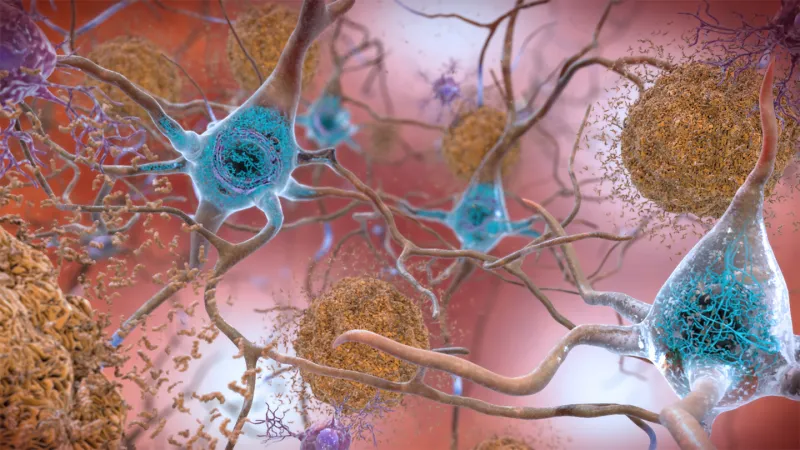
An experimental Alzheimer's drug has delivered something rare in this field: measurable progress with an unexpected complication. The compound lowered tau levels in the brain and slowed aspects of memory decline, yet the nuance in the data is as instructive as the headline. That kind of layered result is what real progress looks like. For readers tracking the broader picture, our coverage of lymphatic system intervention in an Alzheimer's model offers a complementary thread worth pulling.