Natural Gas
World Data Ocean keeps Natural Gas in one place: 9 stories so far. The section currently leads with “Negotiations Clear Strait of Hormuz for LNG Delivery to Pakistan”, “LNG Truck Refueling Marks Tenerife Port’s Sustainable Shipping Advance”, and “Maritime Surveillance Detects and Neutralizes Russian-Designed Drones Near Romanian Gas Hub”. A Qatar-loaded LNG tanker has cleared the Strait of Hormuz and is now bound for Pakistan, following a negotiated arrangement with Iran. Santa Cruz de Tenerife has completed its first ship refueling using liquefied natural gas delivered by tanker trucks, a measured step toward lower-emission port operations. A Global Hub for Ocean Intelligence 4 World Data Ocean is a centralized digital platform where researchers, scientists, and ocean enthusiasts converge to… The list below is every Natural Gas story on World Data Ocean, newest first.
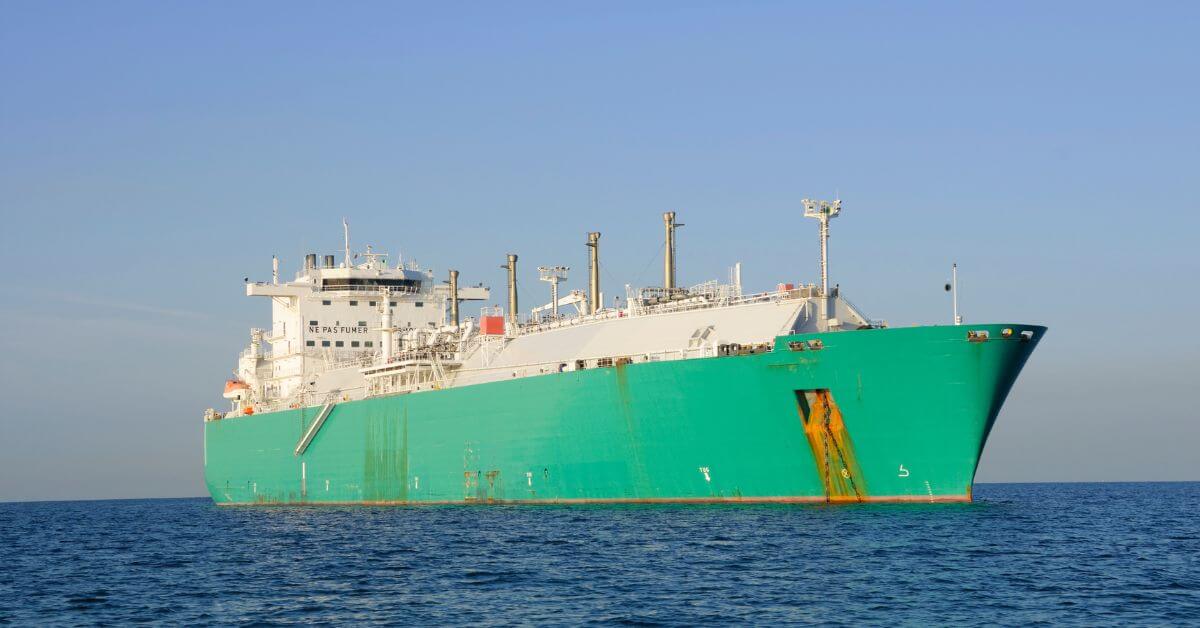
Negotiations Clear Strait of Hormuz for LNG Delivery to Pakistan
A Qatar-loaded LNG tanker has cleared the Strait of Hormuz and is now bound for Pakistan, following a negotiated arrangement with Iran. The delivery signals progress in a waterway where diplomatic friction has repeatedly threatened energy flows. For Pakistan, the cargo is more than a shipment; it is a test of whether phased talks can translate into reliable supply.
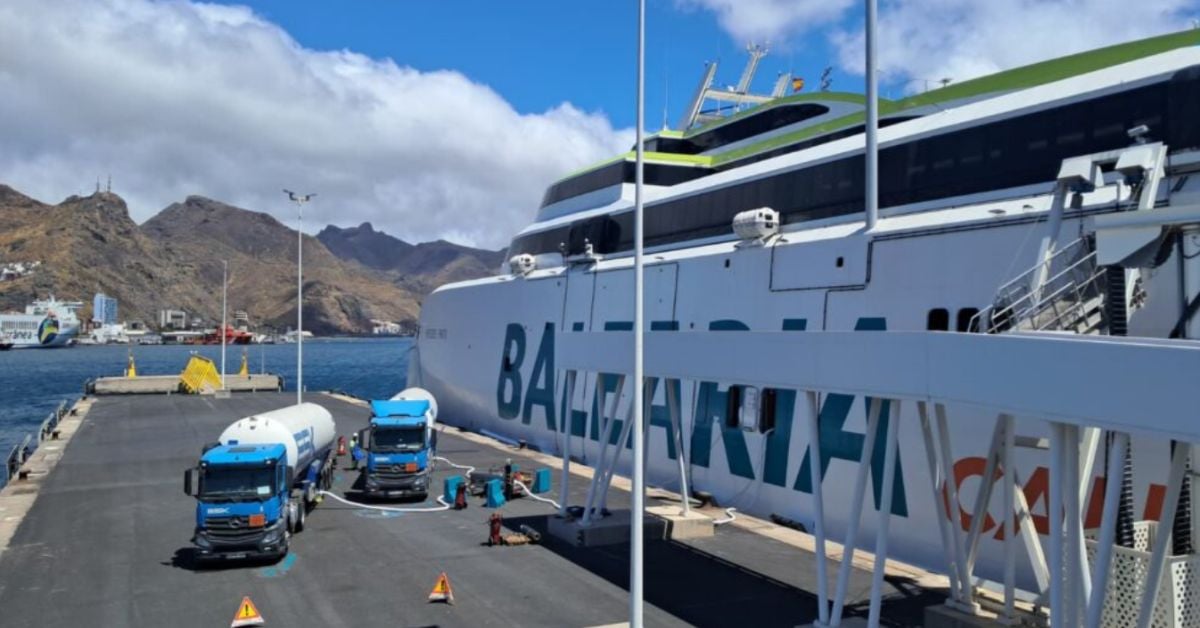
LNG Truck Refueling Marks Tenerife Port’s Sustainable Shipping Advance
Santa Cruz de Tenerife has completed its first ship refueling using liquefied natural gas delivered by tanker trucks, a measured step toward lower-emission port operations. This method integrates existing infrastructure with cleaner fuel logistics, demonstrating that incremental innovation matters. For readers tracking similar infrastructure milestones, our coverage of Paradip Port's designation as a Mega Port explores how ports worldwide are recalibrating for sustainable growth. Validated, real-world operations like this build the integrated data ecosystem we need to measure progress.

Maritime Surveillance Detects and Neutralizes Russian-Designed Drones Near Romanian Gas Hub
A civilian vessel on routine patrol near Romania's exclusive economic zone detected and neutralized Russian-designed drones approaching a critical gas hub. The incident underscores how maritime surveillance remains a frontline defense for energy infrastructure. Precision and readiness defined the response. The threat was identified, contained, and eliminated without escalation. For broader context on regional instability, our coverage of the Vostok Project's Arctic oil exports offers a parallel look at how geopolitical tensions reshape energy routes. Vigilance, not alarm, guides these operations.

Naval Deployment Bolsters U.S. Enforcement of Maritime Restrictions in the Middle East
The U.S. Navy's forward deployment in the Middle East sharpens the teeth of maritime enforcement, with CENTCOM confirming warships are now supporting "strict enforcement" of the blockade against Iran. This is measured, calibrated pressure, not saber-rattling. It signals a firm commitment to contested waters where commercial traffic and geopolitical friction converge. For readers tracking the region's fluid energy flows, the adjacent reporting on Gulf of Oman STS transfers offers useful context on how these restrictions ripple through real-time trade routes.

Missile Attack on ADNOC Vessel Highlights Regional Maritime Risks
On August 8, 2026, a missile attack on an ADNOC vessel crossing the Strait of Hormuz underscored the fragility of regional maritime routes. The incident is a measured reminder that shipping lanes remain exposed to geopolitical friction. Such strikes do not occur in isolation; they strain the integrated data ecosystems that monitor these waters. For context on diplomatic efforts, our related piece, "Phased Negotiations Aim to Ease Restrictions on Strait of Hormuz," outlines ongoing talks.

Attacks on ADNOC Vessels Disrupt Oil Flow Through Strait of Hormuz
Three ADNOC vessels came under attack this week, with one crew member killed and 20 injured, the company confirmed. This is not an isolated incident; it is a direct strain on the flow of oil through the Strait of Hormuz, a corridor the entire region depends on. The human toll is unacceptable, and the disruption to global energy routes demands a measured, empirical response. Our related coverage on phased negotiations to ease restrictions in the strait offers essential context for what comes next.

Escalation in Hormuz: Iran Attacks Tanker Amid U.S. Strikes
The 11th consecutive evening of U.S. strikes against Iran concluded at 8:15 p.m. ET on July 21, as CENTCOM confirmed its ongoing campaign. The escalation in Hormuz now includes a direct tanker attack, sharpening a volatile maritime corridor. This is not abstract geopolitics; it is measured, repeated force meeting retaliation. For context on regional pressure points, our coverage of Gulf of Oman STS transfers maxing out shows how commercial chokepoints strain under such tension.

Sea of Azov Sees Escalation: Drone Attacks Target Russian Naval Assets
The overnight strike on the Sea of Azov marks a pointed escalation, with Ukraine's drone forces commander Robert Brovdi reporting hits on 11 Russian vessels. This is calibrated, measurable pressure on naval assets that have long anchored Moscow's maritime posture. We view this as a deliberate step in a broader campaign, one that demands attention for its precision and its implications.

EU's Yamal LNG Imports Reached $6.8B Before Import Ban
Between January and June, Europe's Yamal LNG imports hit $6.8 billion, with 140 cargoes of 10.25 million tonnes departing Russia's western Arctic. That scale underscores the continent's pre-ban dependence. The numbers are measurable, and they arrived before any formal restriction took hold. This is not alarmism; it is a clear signal of how tightly energy flows can bind policy. For deeper context on how Russia is adapting its Arctic export revenue, see our piece on Russia's icebreaker fleet calibration.