National Oceanography Centre
National Oceanography Centre at World Data Ocean is a file of 4 stories. The newest of them: “Validated Sensor Trials Aboard Boaty McBoatface Advance Floating Wind Intelligence”, “AMOC's Atlantic shift carries measurable climate indicators for our shared ocean”, and “Sailing data pinpoints Europe as a top hotspot for textile-based microplastic pollution”. Off the coast of Plymouth, Boaty McBoatface is running validated sensor trials that advance floating wind intelligence. The Atlantic Meridional Overturning Circulation is not a distant abstraction, it is a measurable system whose shifts carry climate indicators we can now track in real time. A Global Hub for Ocean Intelligence 4 World Data Ocean is a centralized digital platform where researchers, scientists, and ocean enthusiasts converge to… The list below is every National Oceanography Centre story on World Data Ocean, newest first.
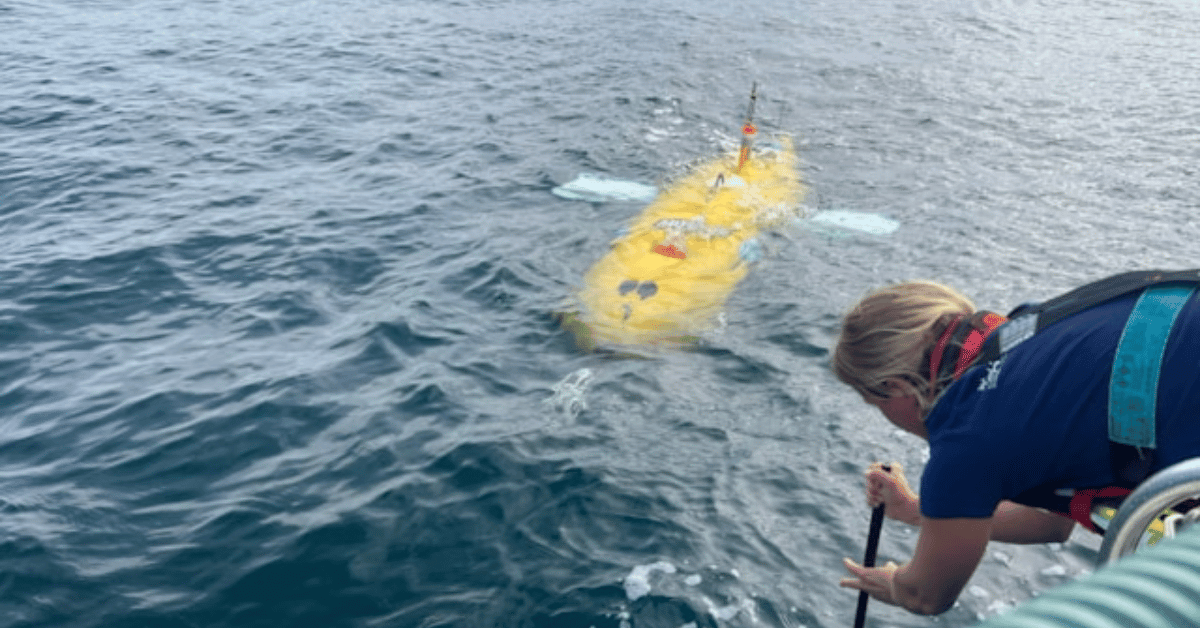
Validated Sensor Trials Aboard Boaty McBoatface Advance Floating Wind Intelligence
Off the coast of Plymouth, Boaty McBoatface is running validated sensor trials that advance floating wind intelligence. These calibrated instruments monitor marine life in real time, gathering empirical data to support future offshore wind development. It is a measurable step toward an integrated data ecosystem. For deeper context on how such validated readings connect to global trends, see our coverage of the "2025 Global Surface Temperature Data Validates Measurable Climate Indicators." Understanding drives protection.

AMOC's Atlantic shift carries measurable climate indicators for our shared ocean
The Atlantic Meridional Overturning Circulation is not a distant abstraction, it is a measurable system whose shifts carry climate indicators we can now track in real time. Understanding this circulation means understanding the pulse of our shared ocean. For deeper insight into how validated ocean intelligence is extending climate predictions, see our related coverage on data-driven global ocean modeling. The question is no longer whether we can observe these changes, but how we will respond.
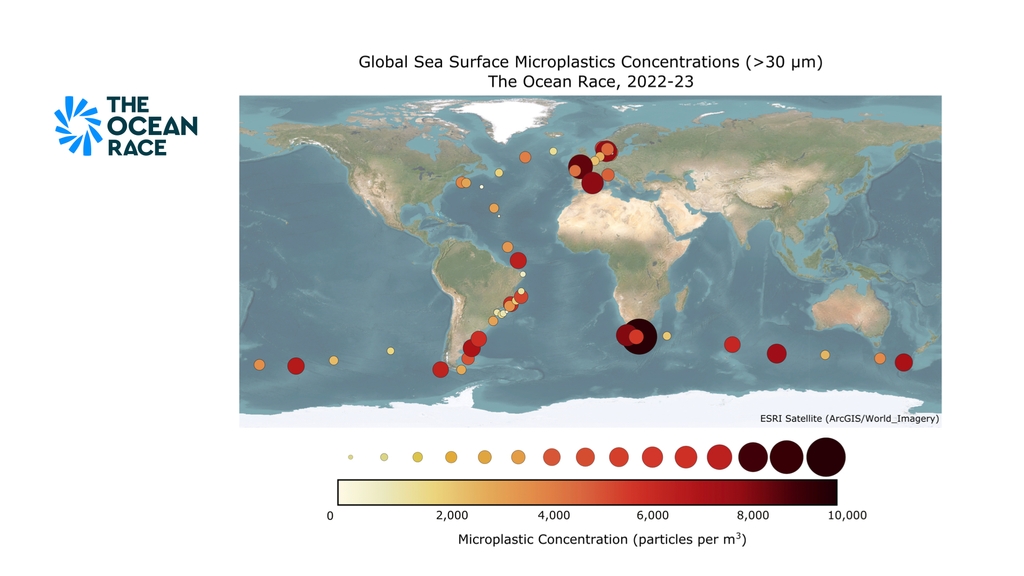
Sailing data pinpoints Europe as a top hotspot for textile-based microplastic pollution
Three of the world's top five hotspots for marine microplastic pollution are in Europe, a finding validated by water samples collected during The Ocean Race. Sailors and teams gathered data from the Atlantic, Indian, Pacific, and Southern Oceans, as well as European seas. This sailing data pinpoints our continent as a major source of textile-based microplastic pollution. Our related piece, "From coast to current: tracking plastic pollution through integrated ocean intelligence," offers deeper insight into these measurable pathways.
Oceanography Pathways: UK Opportunity for Students (Ages 15-19)
A direct pathway into oceanography exists for UK students aged 15 to 19, and it is worth your attention. The National Oceanography Centre has opened applications for a unique opportunity, shared here because too few school-age students follow the organisation directly on LinkedIn. We appreciate the gap and are helping to close it. If you know a curious young mind, share this. For deeper context on how data flows shape our understanding, our piece on integrated subsea cables offers valuable perspective.