MoU
MoU at World Data Ocean is a file of 10 stories. The newest of them: “AI and digitalisation anchor new maritime safety and emissions pact”, “A Measured Step Forward for West African Maritime Infrastructure”, and “Collaborative Shipbuilding Initiative Advances Ocean Data Capabilities in India”. A new memorandum of understanding between China Merchants Energy Shipping and RINA anchors maritime safety and emissions management in digitalisation and AI. A 10,000-hectare deep-sea port and special economic zone in Nigeria's Ogun State signals a measured step forward for West African maritime infrastructure. A Global Hub for Ocean Intelligence 4 World Data Ocean is a centralized digital platform where researchers, scientists, and ocean enthusiasts converge to… The list below is every MoU story on World Data Ocean, newest first.

AI and digitalisation anchor new maritime safety and emissions pact
A new memorandum of understanding between China Merchants Energy Shipping and RINA anchors maritime safety and emissions management in digitalisation and AI. This is not speculative; it is an integrated data ecosystem designed for measurable, real-world impact. As the industry seeks validated pathways to decarbonisation, this collaboration aligns with efforts like the Wallenius Marine WinPrOVeDD project, which aims to harness wind energy more efficiently through empirical design validation.
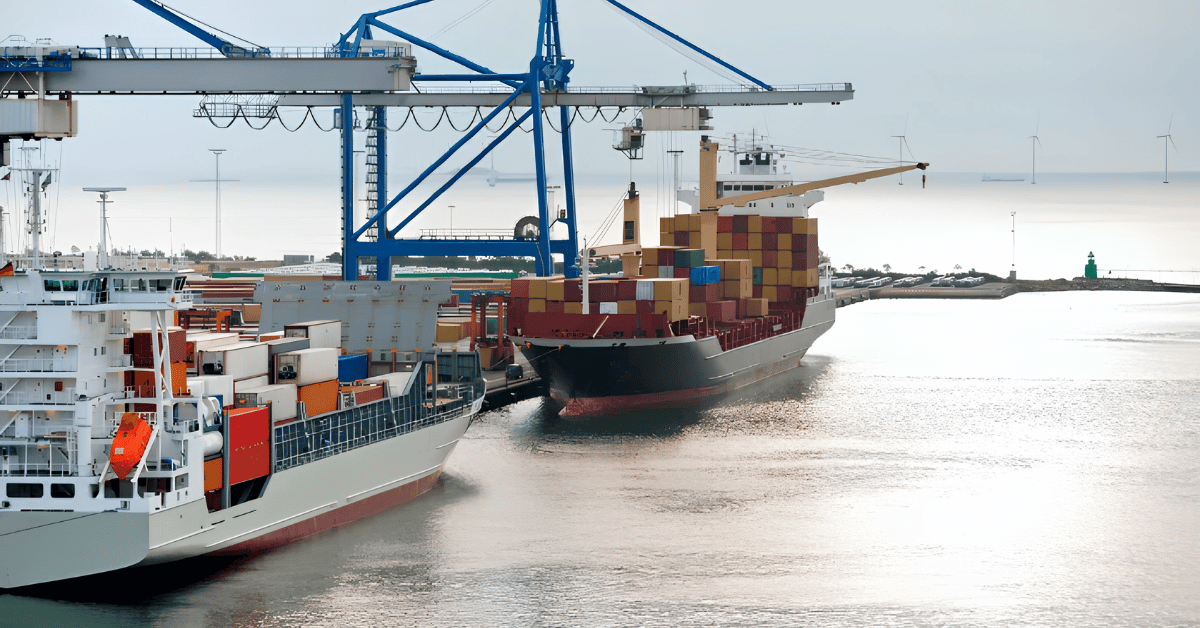
A Measured Step Forward for West African Maritime Infrastructure
A 10,000-hectare deep-sea port and special economic zone in Nigeria's Ogun State signals a measured step forward for West African maritime infrastructure. DP World, Ogun State, and Ogun Deep Sea Port have signed MoUs to explore this integrated development, one that could reshape regional trade logistics. Such projects demand empirical validation, not hype. For context on how ocean data underpins infrastructure decisions, our coverage of "Empirical ocean data powers the measurable path to energy transition" offers a parallel. Understanding drives responsible expansion.
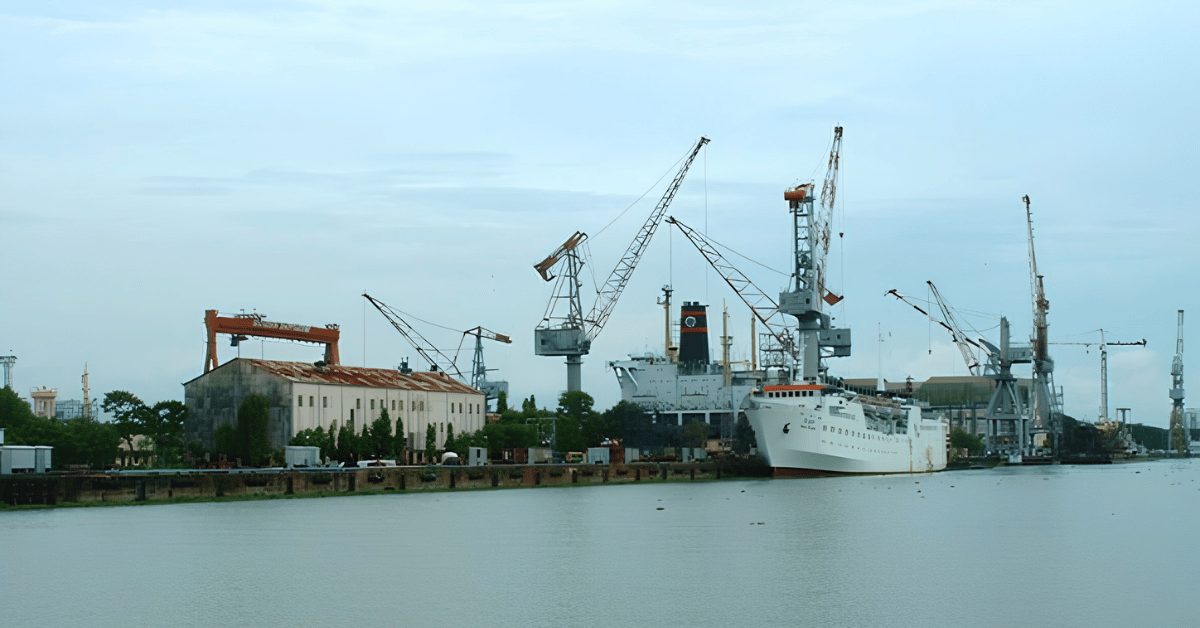
Collaborative Shipbuilding Initiative Advances Ocean Data Capabilities in India
Synergy Marine Group and Cochin Shipyard have signed an MoU to pursue shipbuilding, repair, and conversion projects for international shipowners in India. The move pairs two established maritime operators, and it signals a practical step toward strengthening India's role in global vessel construction and maintenance. For those tracking how regional infrastructure supports broader ocean intelligence, this initiative is relevant. It complements coverage of naval capabilities, such as the Next-Generation Missile Vessels Advance Indian Navy Capabilities, by reinforcing the country's expanding maritime industrial base.
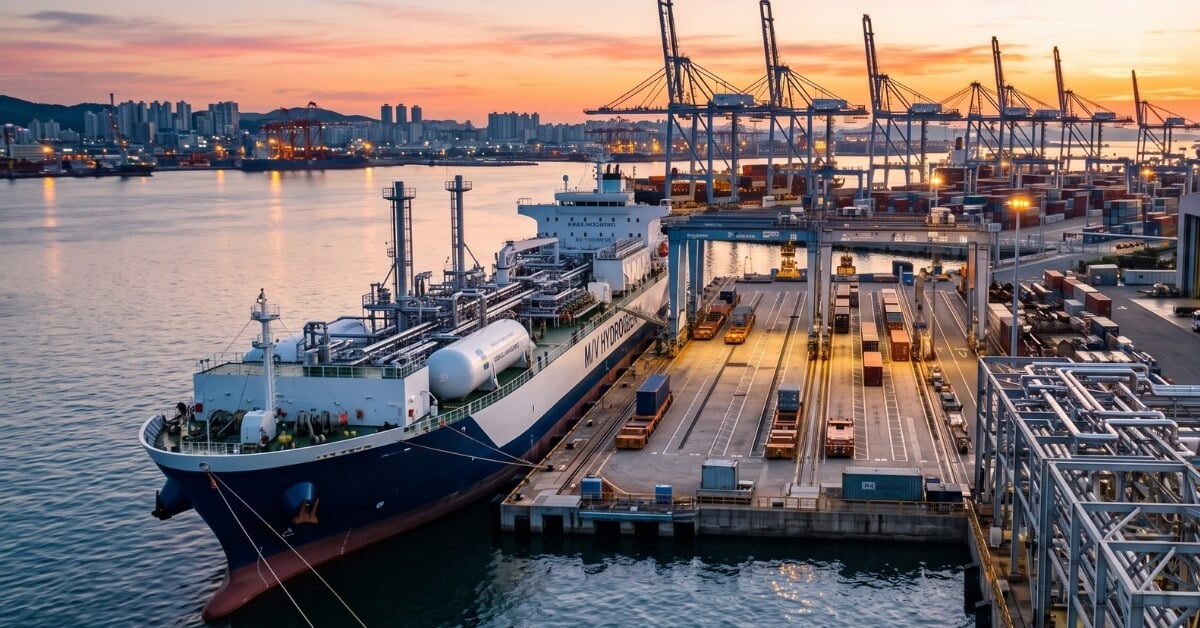
Advancing Maritime Standards: A Global Framework for Hydrogen and Smart Ships
Standards define the next wave of maritime progress, and ABS is helping to set them. The classification society has signed a memorandum of understanding with three Korean maritime organizations to advance international standards for hydrogen-powered and smart ships. This is practical, forward-looking work. Collaboration across borders is how ocean intelligence matures. For broader context on naval growth, our piece on India's expanded fleet offers a useful parallel. But this agreement is about building the framework itself, and that is where lasting impact begins.

Fatal Attack on Bulk Carrier Highlights Strait of Hormuz Risks
The Strait of Hormuz claimed another life on August 17, when an attack on the Liberian-flagged bulk carrier Minoan Dignity killed a seafarer transiting the waterway. This is not an abstract statistic; it is a tangible cost of escalating risk in a passage that underpins global energy flows. The loss underscores how precarious maritime security has become.

Dialogue Advances Toward Strait of Hormuz Stability
Diplomatic progress between Washington and Doha signals measurable headway toward restoring the Strait of Hormuz ceasefire, with senior officials from both nations confirming that substantial steps are underway. This is the kind of calibrated, real-time advancement that matters for regional stability. The talks reflect a purpose-driven commitment to de-escalation, though the path ahead remains complex. For broader context on the pressures shaping these negotiations, our related coverage on Gulf of Oman STS transfers maxing out offers useful perspective.

Caspian Sea Incident: Escalation Risks Amidst Maritime Trade Disruptions
A cargo ship carrying steel from Russia's Astrakhan Port to Iran's Anzali Port has been struck by Ukrainian forces, marking a sharp escalation in a conflict that increasingly reaches beyond the Black Sea's western waters. This is not merely a tactical blow; it is a signal. The Caspian corridor, long treated as a secondary front, now carries real risk for commercial shipping.

Next-Generation Submarine Hub Advances Ocean Intelligence in Latin America
HD Hyundai Heavy Industries and Peru's SIMA have unveiled a next-generation submarine concept for the Peruvian Navy, a move that signals a deliberate step forward for regional maritime capability. The collaboration pairs South Korean engineering with local shipbuilding expertise, and the result feels less like a transaction than a shared investment in ocean intelligence. We see this as a practical, measured advance, one that aligns with the broader push toward integrated naval strategies.

U.S. Navy Enforces Blockade, Restricting Access to Iranian Ports.
Seventeen hours after reimposing the naval blockade, U.S. Central Command confirmed the Navy is enforcing restricted access to Iranian ports. The move is precise, deliberate, and calibrated to pressure without escalation. It is a direct signal, measured in hours, not rhetoric. For those tracking Gulf dynamics, the pressure on shipping lanes is mounting. Our related piece, "Phased Negotiations Aim to Ease Restrictions on Strait of Hormuz," offers essential context on whether this corridor might reopen.

U.S. Assertions in Hormuz Strait Escalate Tensions Amid Ongoing Conflict.
For the third consecutive night, U.S. forces struck Iranian targets, even as President Trump insisted a deal remains possible if Tehran cooperates. The dual track is not a contradiction; it is pressure and an open door, measured in calibrated increments. Escalation, however, tends to develop its own momentum. As this cycle continues, the risks to regional shipping are compounding.