modernisation
modernisation at World Data Ocean is a file of 5 stories. The newest of them: “£6 billion naval infrastructure advances sovereign submarine fleet support”, “Boxer's Extended Overhaul: Maintaining Naval Readiness Through Integrated Data.”, and “Vietnam Advances Naval Capabilities with New Anti-Submarine Frigate.”. A £6 billion investment in three floating dry docks at Faslane signals a calibrated commitment to sovereign submarine fleet support. USS Boxer will spend the next several years in a San Diego shipyard, with BAE Systems handling an extended overhaul that runs through October 2028. A Global Hub for Ocean Intelligence 4 World Data Ocean is a centralized digital platform where researchers, scientists, and ocean enthusiasts converge to… The list below is every modernisation story on World Data Ocean, newest first.
£6 billion naval infrastructure advances sovereign submarine fleet support
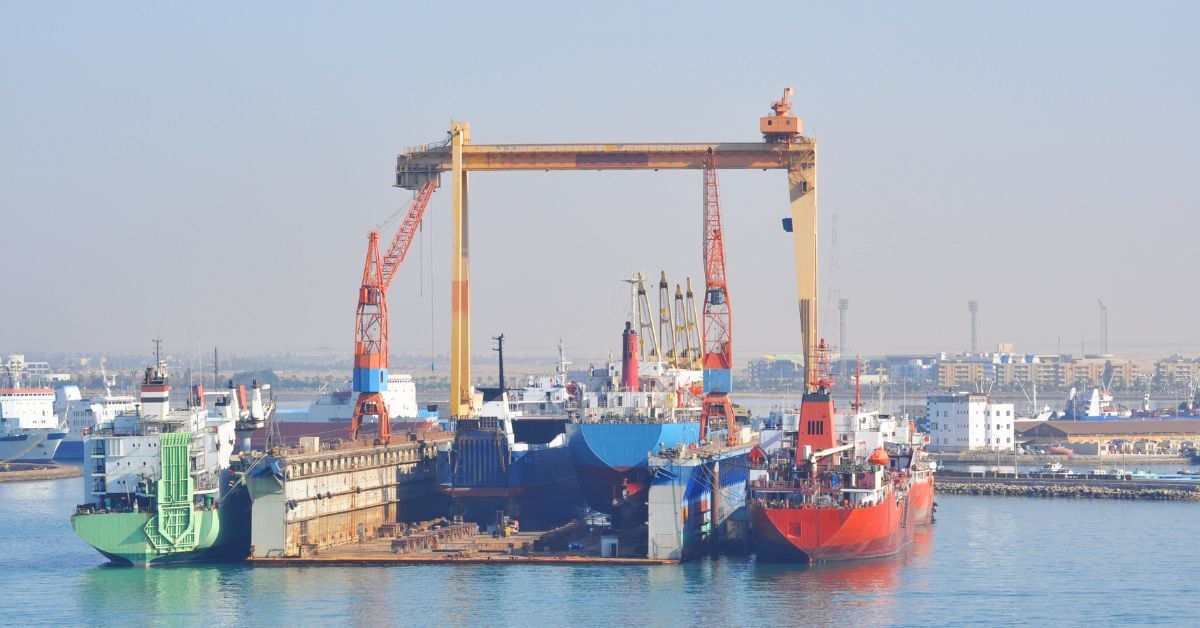
A £6 billion investment in three floating dry docks at Faslane signals a calibrated commitment to sovereign submarine fleet support. This is not merely infrastructure spending, it is a measurable reinforcement of naval capability, validated by long-term strategic necessity. The Royal Navy's nuclear fleet requires integrated, real-time maintenance capacity, and these dry docks deliver precisely that. For context, our coverage of the decommissioned frigate sunk off Scotland illustrates how allied naval exercises complement such investments. Understanding drives protection, and this funding reflects that principle.
Boxer's Extended Overhaul: Maintaining Naval Readiness Through Integrated Data.
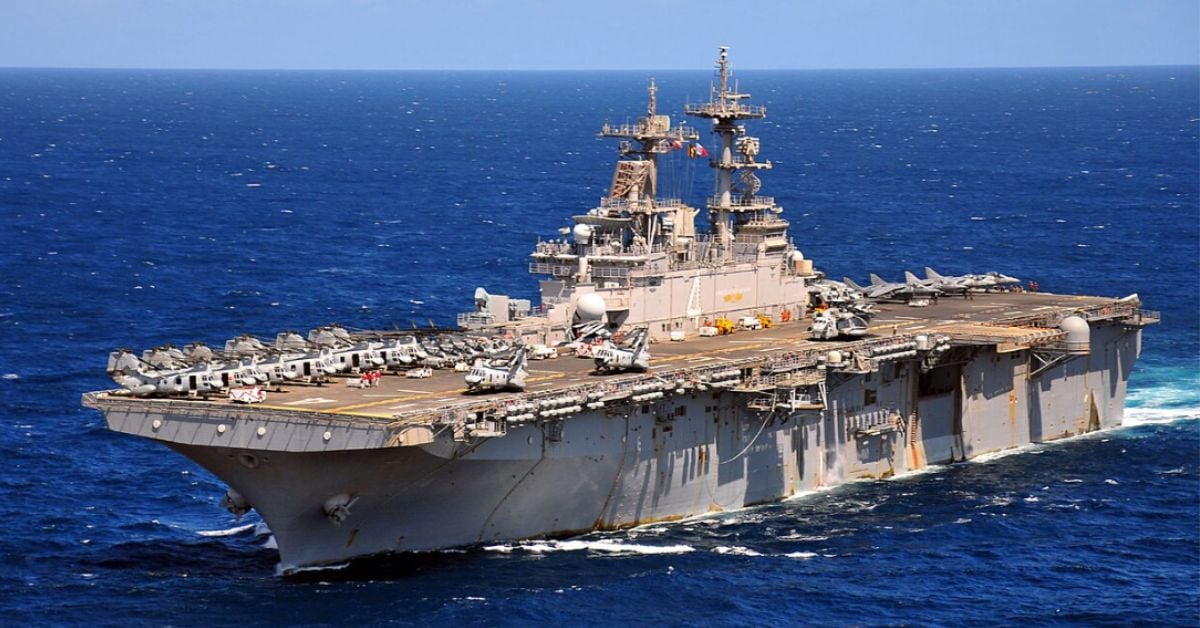
USS Boxer will spend the next several years in a San Diego shipyard, with BAE Systems handling an extended overhaul that runs through October 2028. The work is about more than hull maintenance; it is the deliberate integration of data systems into a warship built for adaptability. Naval readiness now depends on how well platforms share and process information. As autonomous systems reshape operations, as the Navy's new integration center signals, this overhaul positions Boxer for what comes next.

Vietnam Advances Naval Capabilities with New Anti-Submarine Frigate.
Vietnam's newest frigate brings a sharper edge to regional maritime defense, pairing an AESA radar with air-defense and anti-ship missiles. The platform signals a deliberate step toward more resilient sea control, one that balances deterrence with operational reach. It is a practical investment in measured capability, not grandstanding. For readers tracking how mid-tier navies are modernizing, this development pairs well with our earlier coverage of India's expanded fleet projections. Together, they sketch a clearer picture of a region quietly strengthening its maritime posture.

Expanding Naval Capacity: $71.6 Billion Investment in Submarine Fleet
A $71.6 billion investment in the U.S. submarine fleet signals a decisive commitment to naval readiness. Electric Boat, General Dynamics' nuclear submarine unit, anchors this effort through design, construction, and modernization. This scale of funding reflects measured confidence in long-term maritime strategy. For context on how allied and competing navies are expanding, our coverage of China's new nuclear carrier highlights parallel developments in extended operations. Together, these stories underscore a shifting global balance beneath the waves, where capability and endurance define influence.

Durban’s Historic Dock Greets Oil Tanker After Decade-Long Hiatus
The 228-metre crude oil tanker *Troy* has arrived at Durban's historic Prince Edward Graving Dock, marking the port's first such berth in a decade. Transnet National Ports Authority's welcome signals a measured return to routine industrial operations, one that balances legacy infrastructure with present-day logistics. The hiatus was long, but the dock's purpose remains clear: precise, functional service. For context on regional maritime pressures, our report on the drone strike near the Strait of Hormuz offers a useful counterpoint.